REACCT+ Drives Local Business Development in the Galápagos
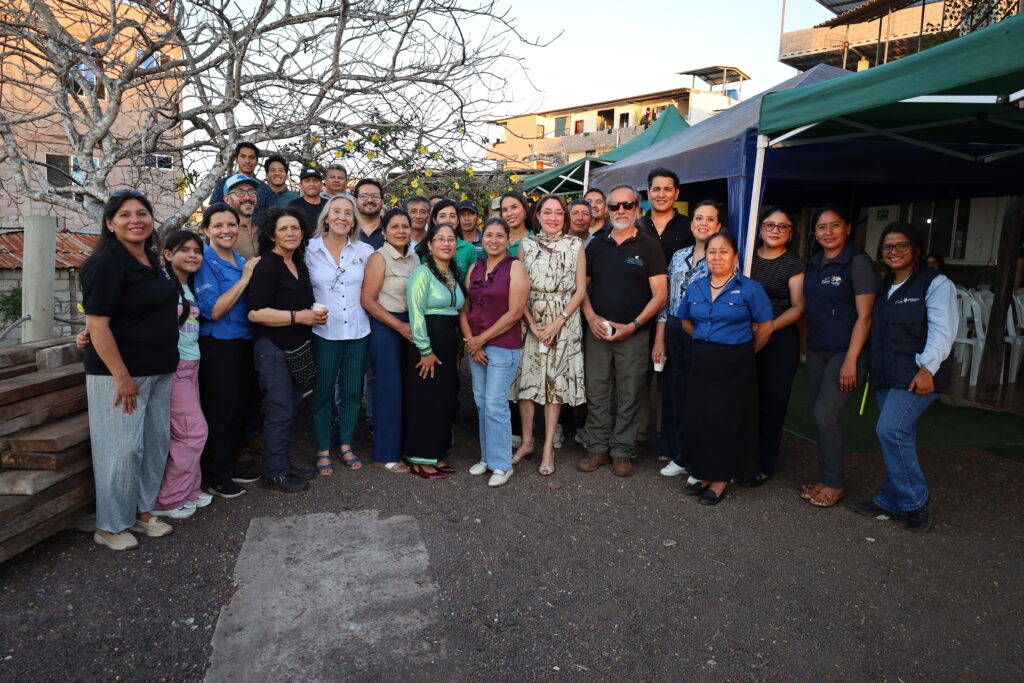
Through financial support of universities and the private sector, the REACCT+ project is strengthening six local businesses on San Cristóbal Island.
2025 Christmas Newsletter and Annual Impact Report
During this special season, we would like to wish you a Merry Christmas and a prosperous New Year. We invite you to explore the news, insights, and achievements that reflect our collective efforts to strengthen conservation and promote sustainable development in the Galápagos Archipelago, a Natural World Heritage Site.
Genomic and biogeographic patterns of endemic geckos in the Galapagos Islands reveal population structure and species delimitation on inhabited islands
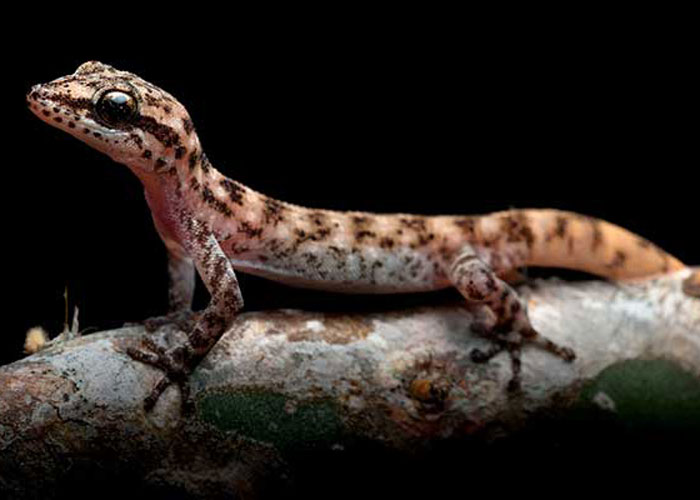
Oceanic islands such as Galápagos are privileged settings for studying how species originate and diverge. In this context, the endemic geckos of the genus Phyllodactylus play an important ecological role and, at the same time, remain poorly known from a genetic perspective.
Animals and Land Cover/Land Use Change: A Remote Sensing – Galápagos Islands Assessment
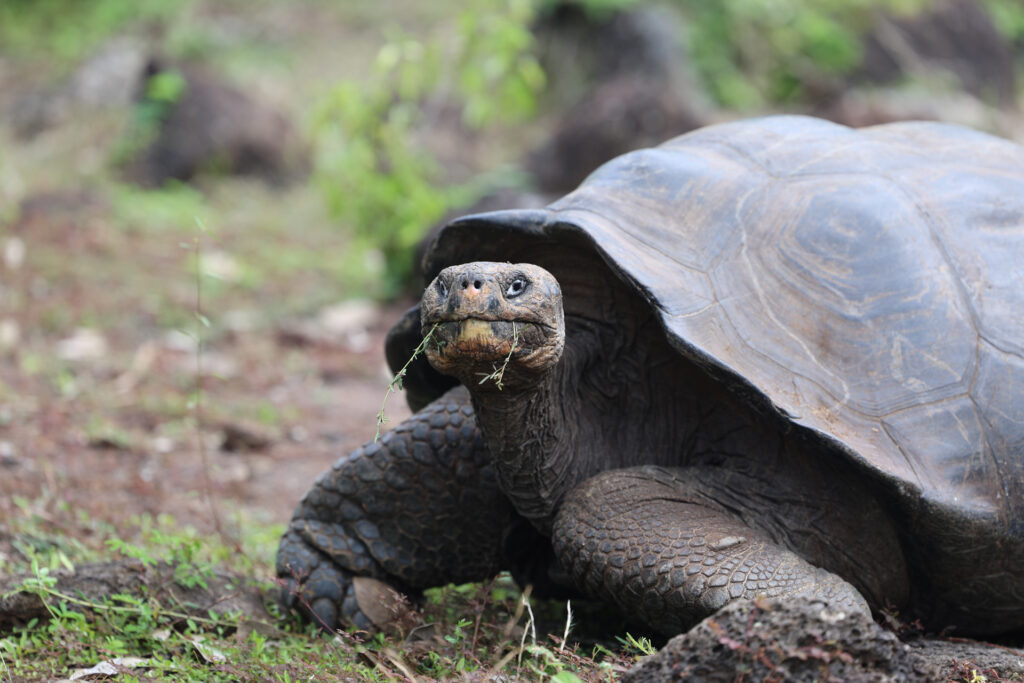
The ecosystems of Galápagos are in constant transformation due to the interaction between natural processes, animals, and human activities. This research analyzes how different species, both native and introduced, influence the islands’ landscape through their movements, feeding habits, and behavior, and how these changes can be observed using digital environmental monitoring tools.
Reproductive timing and intensity in a Galápagos intertidal mollusc are modulated by thermal phases
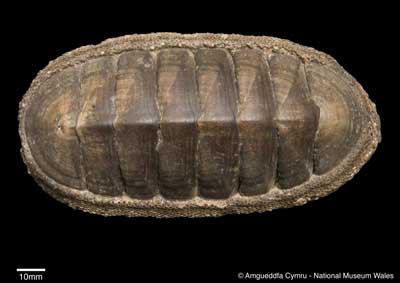
This study analyzes how variations in sea temperature influence the reproduction of the canchalagua (Radsia goodallii), an endemic mollusk of the Galápagos Islands with ecological and socio-economic importance for local artisanal fisheries. Understanding its reproductive patterns is essential for developing management and conservation strategies that ensure the sustainability of the species.
Galápagos strengthens sea lion protection with an updated management plan on San Cristóbal Island
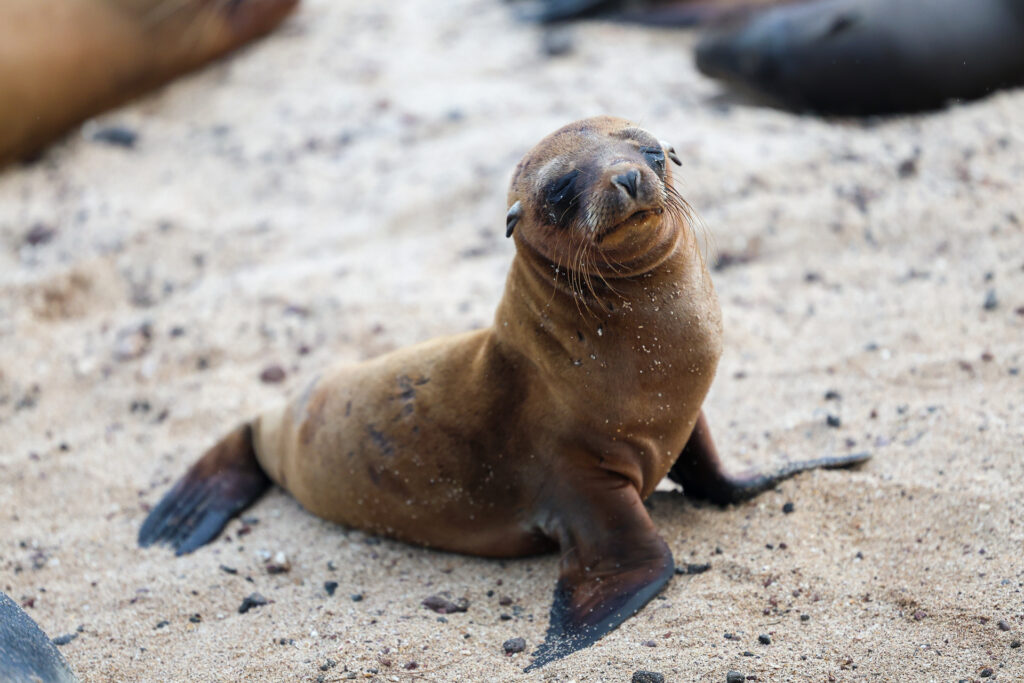
The Galapagos National Park Directorate (GNPD), with the support of the Universidad San Francisco de Quito (USFQ), officially launched the “Management Plan for the Conservation and Sustainable Use of the Galápagos Sea Lion in San Cristóbal Island 2025–2030.”
COAST-SCAPES: Rethinking Coastal Landscapes Towards Climate Resilience
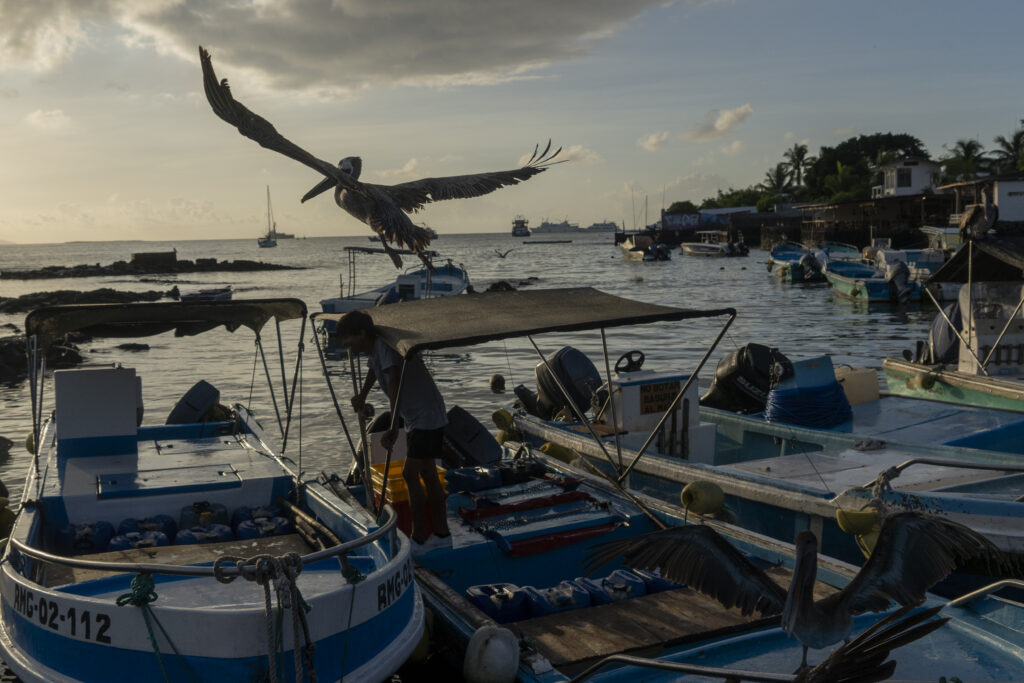
COAST-SCAPES is a new project to be developed at the Galapagos Science Center (GSC), titled “Rethinking coastal landscapes with climate-resilient interventions: systemic solutions from land to sea.” Coordinated by the Polytechnic University of Catalonia (Spain), it brings together a consortium of 31 international partners who will work collaboratively to develop innovative strategies that strengthen coastal resilience in Europe, with selected sites in Latin America, Asia, and Oceania.
Exploring pathogenic fungi to control the invasive plant Rubus niveus on San Cristóbal Island, Galápagos
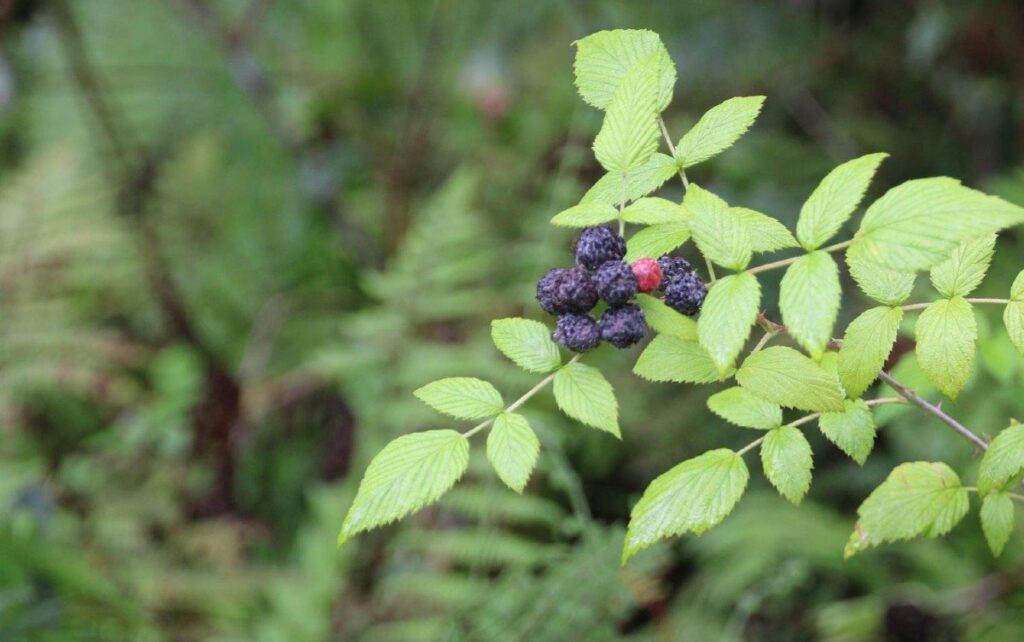
The invasive bramble (Rubus niveus) is one of the main threats to the native flora of the Galápagos Islands. It currently occupies around 30,000 hectares in the highlands, where it displaces native vegetation and affects biodiversity.