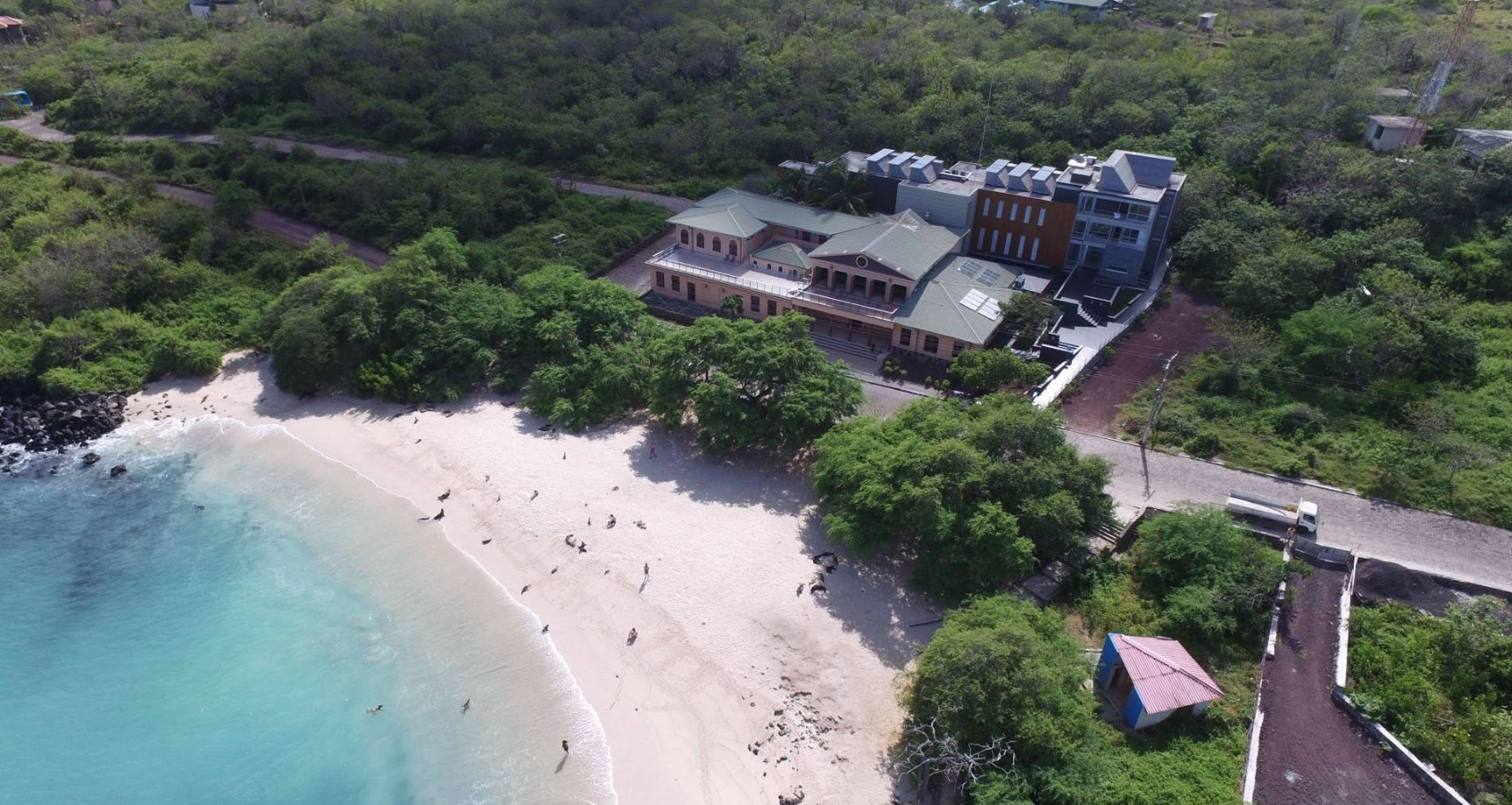
Galapagos Science Center and the Galápagos National Park Strengthen Science for the Future of the Archipelago at the VIII Galápagos Research and Conservation Symposium
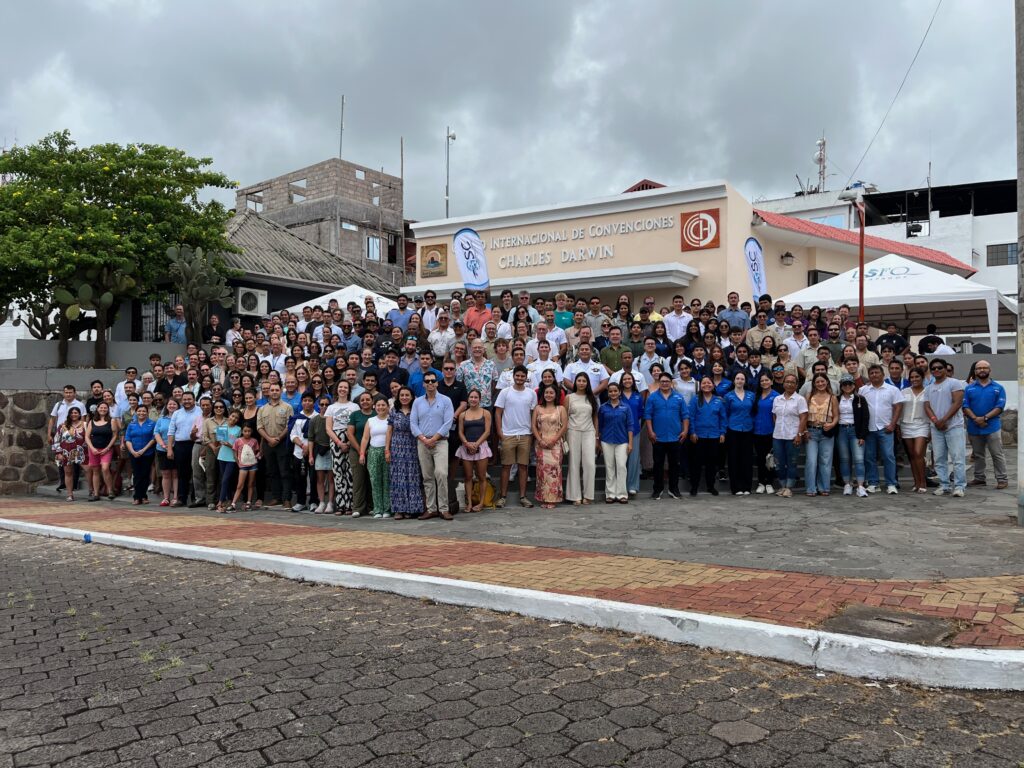
Galápagos once again became the setting for the archipelago’s premier scientific gathering. The VIII Galápagos Research and Conservation Symposium brought together more than 470 participants to showcase research on biodiversity, oceans, health, conservation, and sustainable development, fostering knowledge exchange and collaboration among academia, institutions, and the local community.
Local Seafood to Drive a New Child Nutrition Model in the Galápagos
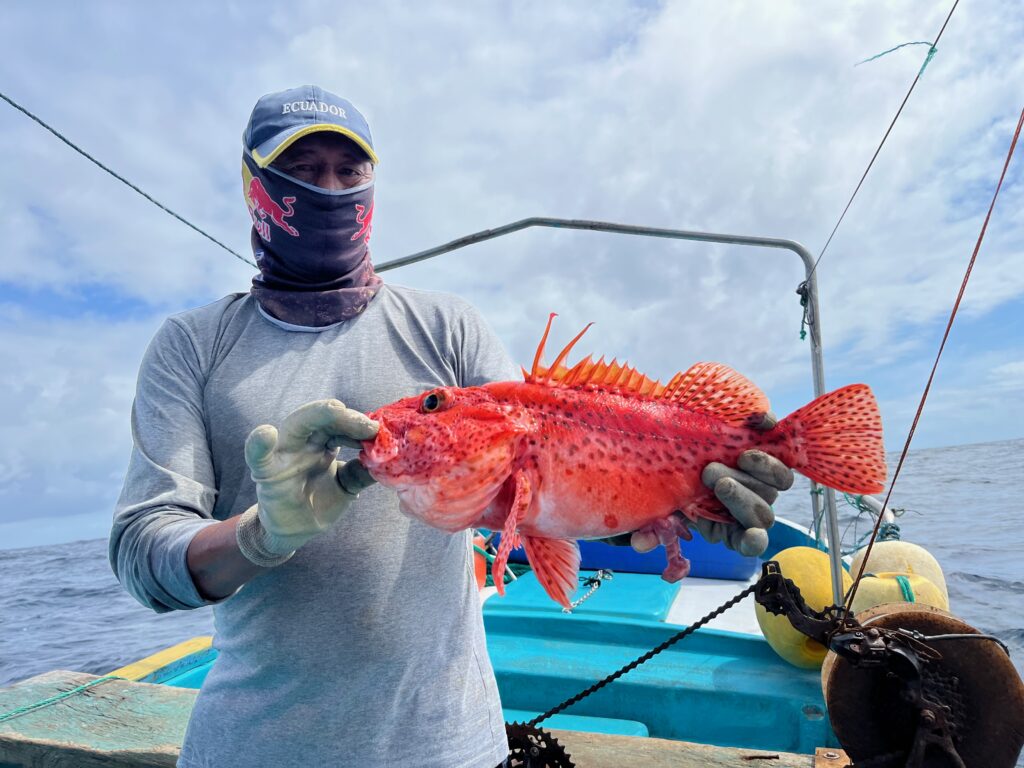
Learn about the new project led by the University of San Francisco de Quito (USFQ) and the Galapagos Science Center, an initiative that aims to improve the nutrition of nearly 500 students through locally sourced seafood and agricultural products, while advancing scientific research and promoting healthier, more sustainable food systems. Read the full press release to learn more about this initiative.
ENERGreen Talks 2026 Brought Together Experts and Organizations Committed to the Energy Transition in Galápagos
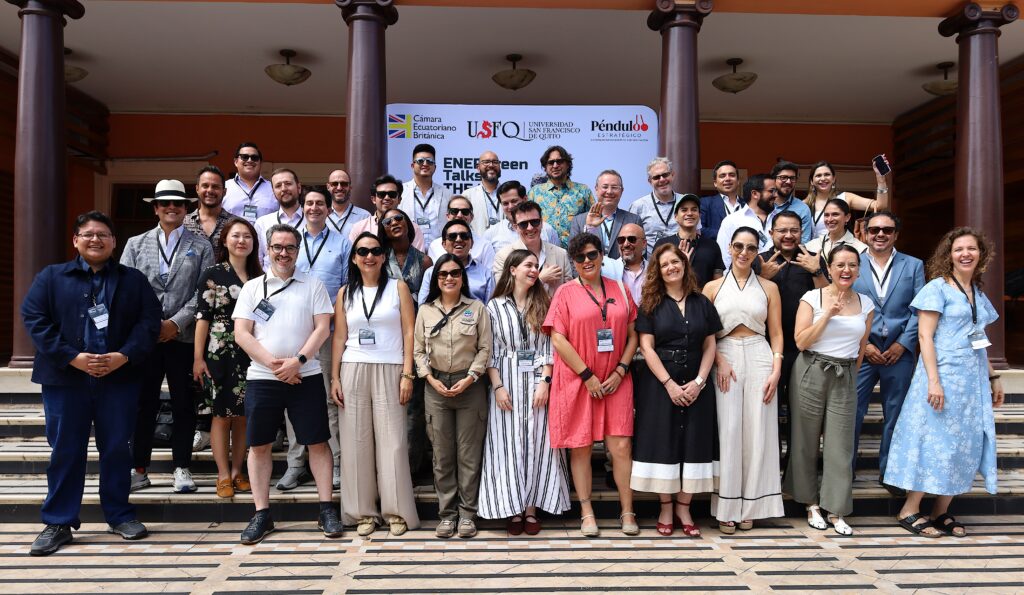
The Universidad San Francisco de Quito (USFQ) participated in ENERGreen Talks 2026, an international forum that brought together leaders from the energy sector, academia, businesses, and international organizations to discuss innovation, sustainability, and the transition toward clean energy solutions.
Whale shark reveals the route: an adult female migrates from western Galápagos to El Salvador
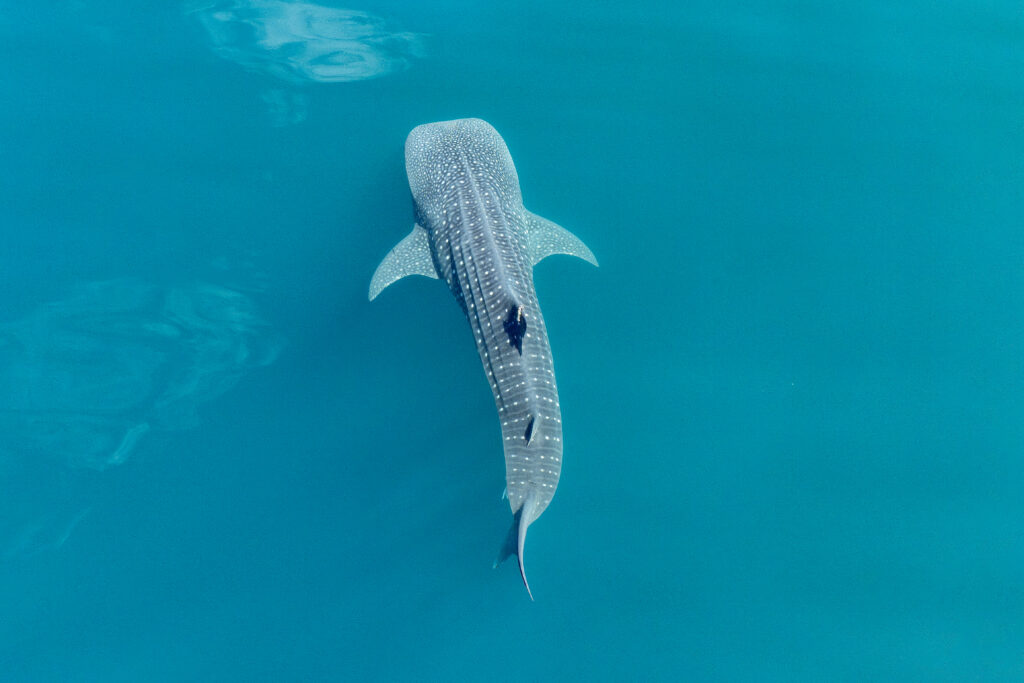
In March 2026, a scientific expedition in the Galápagos Marine Reserve sought to better understand the migratory route of the whale shark, an endangered species, and determine whether individuals observed in different areas of the archipelago are connected to one another.
Industrial fishing compliance with a new marine corridor near the Galapagos Islands
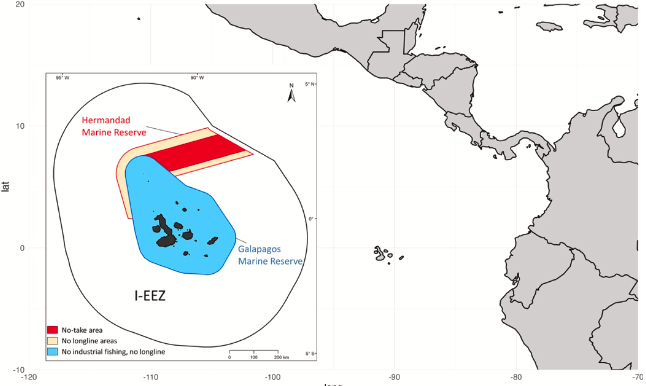
Industrial fishing in waters near the Galápagos has long been a challenge for marine conservation. In a context where fishing pressure and species protection coexist in tension, a recent study examined what happens when new marine protected areas are implemented.
USFQ Drives Development in Galápagos Through Education, Health and Community Impact
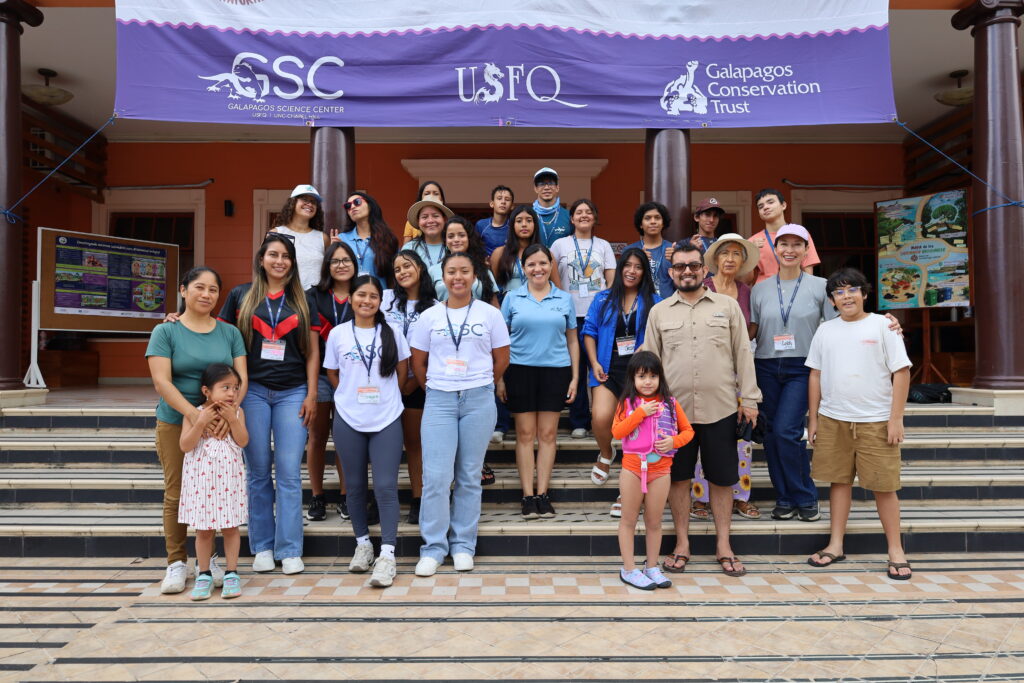
One of USFQ’s main contributions in Galápagos lies in its commitment to holistic education through transformative experiences. In this context, the Host Family Program stands out as an international cultural immersion initiative that allows foreign students to integrate into the daily life of the local community.
Digital Reconstruction of the U.S. Base in Baltra, Galápagos Islands: A Forgotten Chapter of WWII in South America
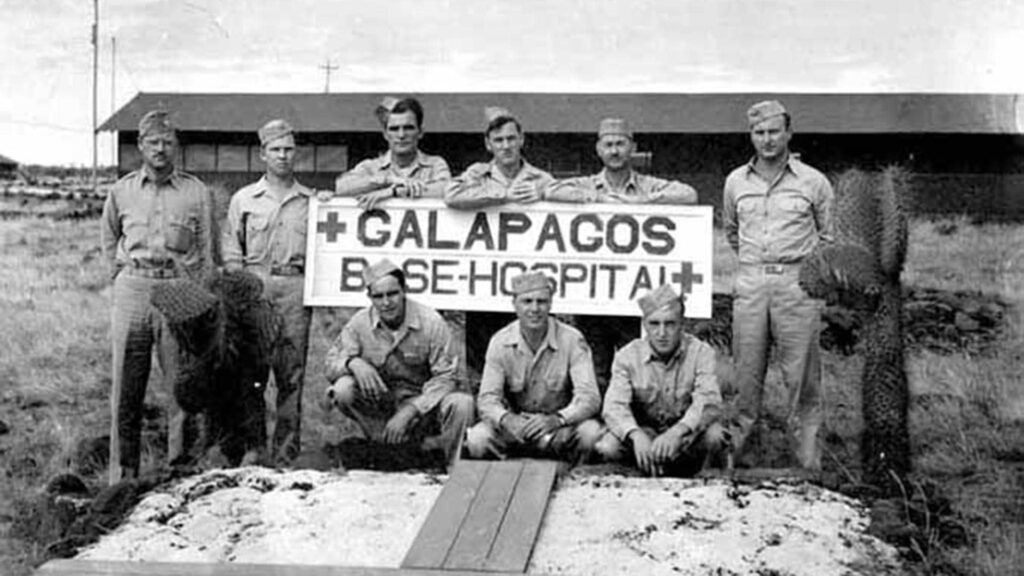
During World War II, Baltra Island hosted a U.S. military base that significantly transformed its landscape and ecosystems. This research reconstructed that infrastructure in 3D using historical photographs, satellite imagery, and drone surveys, identifying more than 600 structures.
Marine iguanas have lower metabolic rates during El Niño
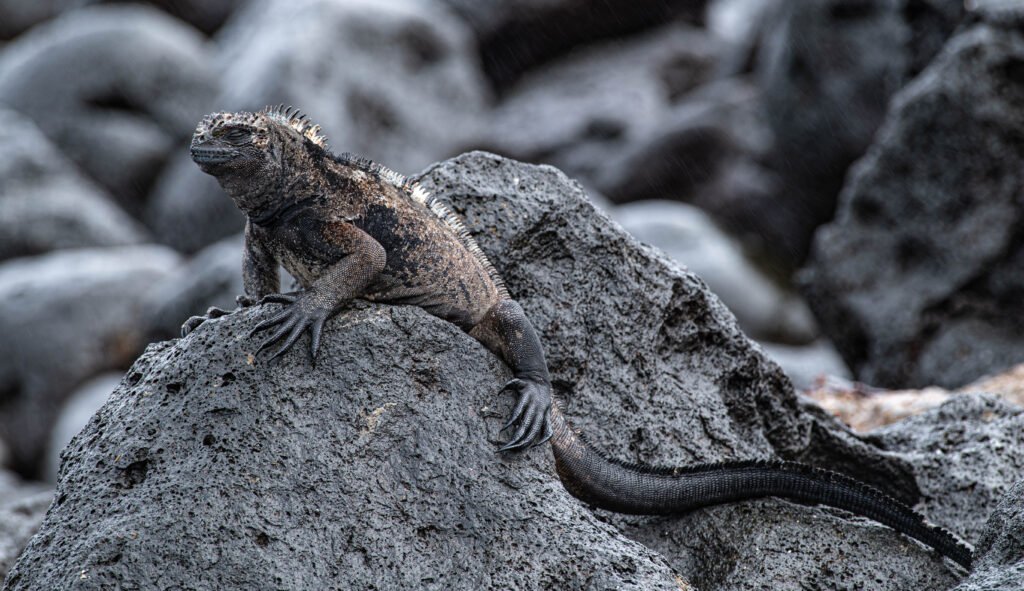
Marine iguanas of the Galápagos (Amblyrhynchus cristatus) are the only lizard species in the world that feeds in the ocean, relying almost exclusively on algae. During the El Niño climate event, rising ocean temperatures reduce the availability of this food source, leading to periods of scarcity. This research examines how these climatic changes affect their physiology and body condition.
High-Quality De Novo Genome Assembly for the Galápagos Endemic Lava Gull Using Oxford Nanopore Technologies
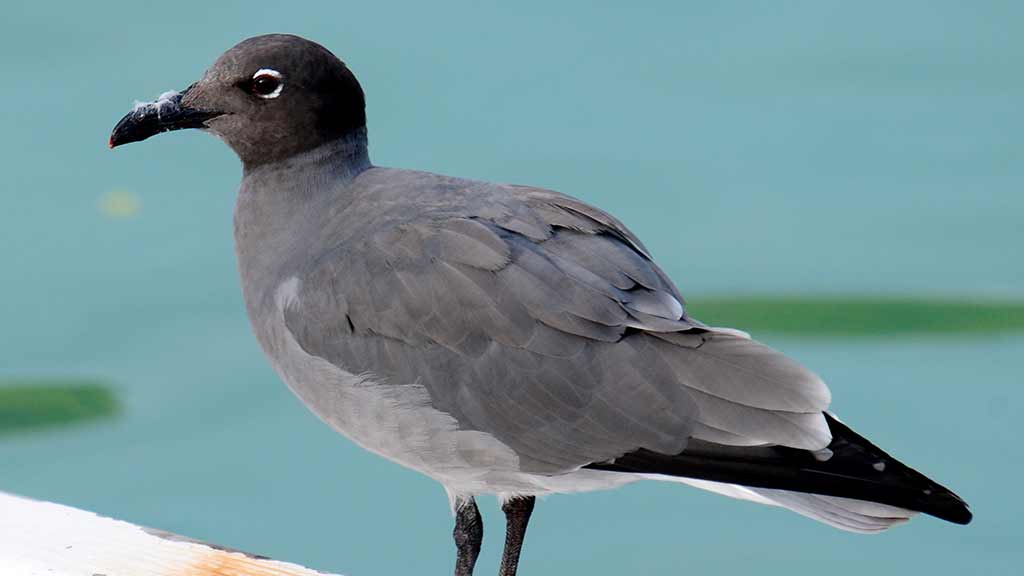
The lava gull (Leucophaeus fuliginosus), an endemic species of the Galápagos Islands, is the rarest gull in the world, with an estimated population of 300 to 600 individuals, making it a conservation priority.
Balancing post-pandemic recovery and resilience in the Galápagos: how beliefs in ecosystem fragility impact residents’ attitudes toward tourism and conservation knowledge and compliance
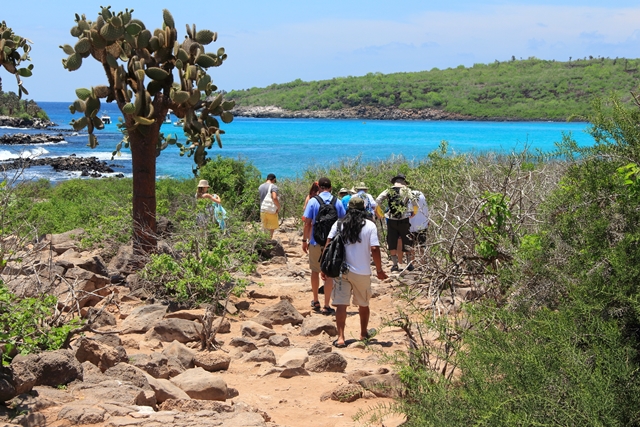
This research examines the challenges faced by the Galápagos Archipelago in the context of post–COVID-19 tourism recovery, as well as the need to balance economic development with the conservation of a highly fragile ecosystem.