REACCT Project Relaunches in Galápagos: Supporting Local Businesses and Sustainable Development
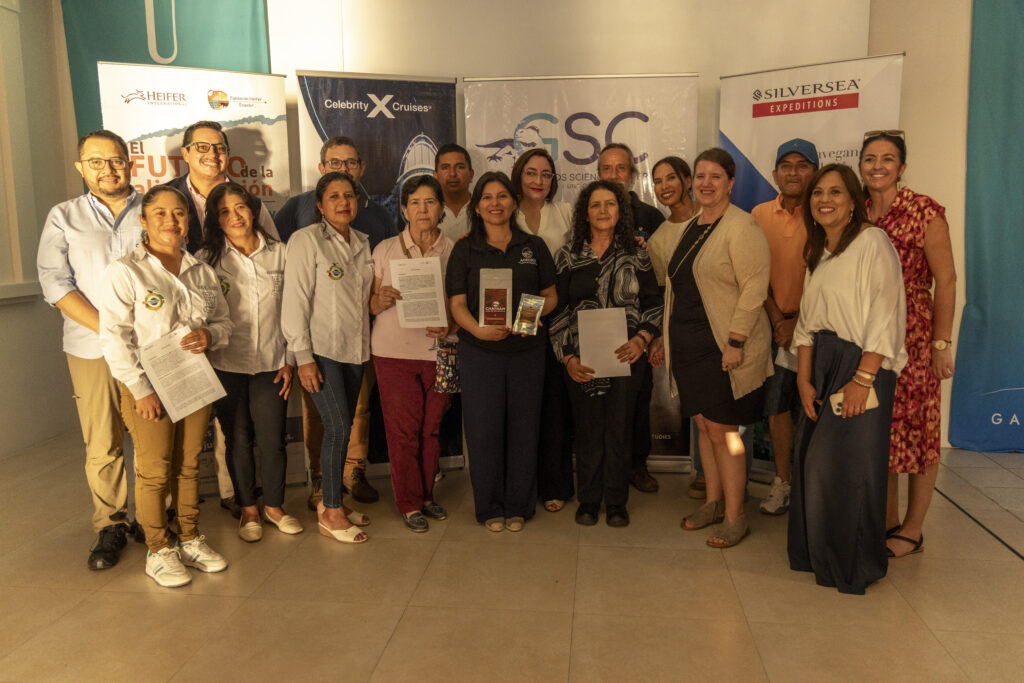
Six agro-based businesses adding value to local raw materials have been selected for the REACCT (Reactivating the Economy through Science, Community, and Work) project in San Cristóbal, Galápagos. These businesses: Galafruit, El Trapiche, Asecris/Chatham, Green Island, Lácteos San Cristóbal, and Galápagos Natural Harmony, were chosen based on criteria such as impact, market access, and innovation. All of them have previously participated in the Rural Business Schools initiative led by Heifer Ecuador Foundation in San Cristóbal.
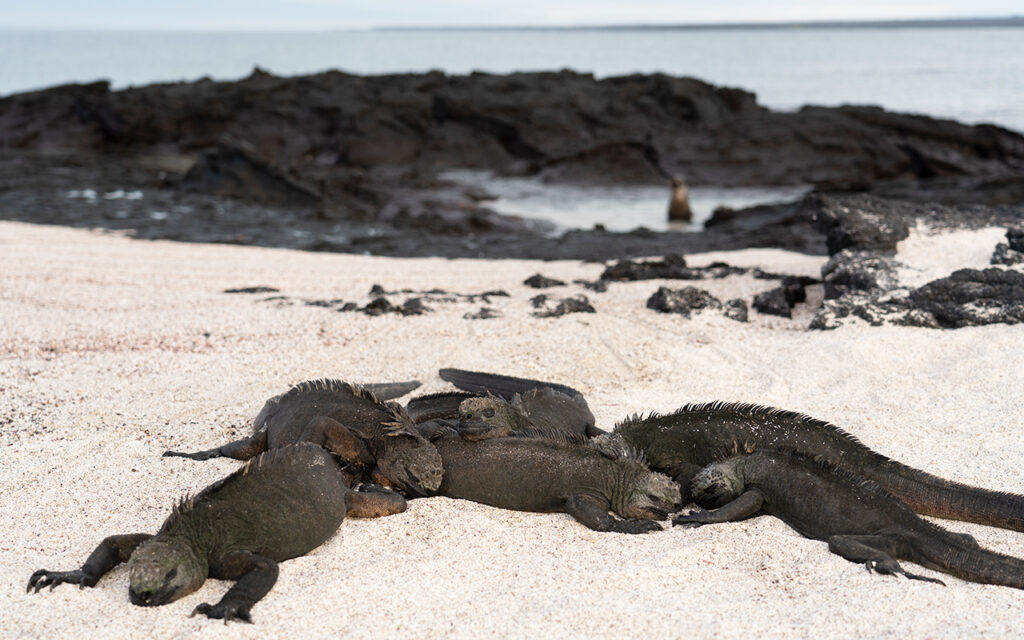
The effect of “El Niño” on marine iguanas: A study to understand its impact
Captain Darwin is an NGO dedicated to documenting environmental and biodiversity changes in the places visited by world-famous naturalist Charles Darwin during his voyage on the HMS Beagle 189 years ago. This NGO provides logistical support, through the use of its vessel, to local researchers at each stop on Darwin’s historic voyage.
2024 Christmas Newsletter and Annual Impact Report
This year, we celebrate 13 years of impactful work in conservation, research, and sustainable development in the Galápagos Islands. In our newsletter and annual impact report, we invite you to explore how we have contributed to preserving this natural heritage through scientific expeditions, innovative digital tools, and health and education programs. Explore the latest advancements, scientific findings, and inspiring stories from 2024 Don’t miss out—join us on our journey toward a more sustainable Galápagos!
Galapagos Day: Inspiring Research and Engagement
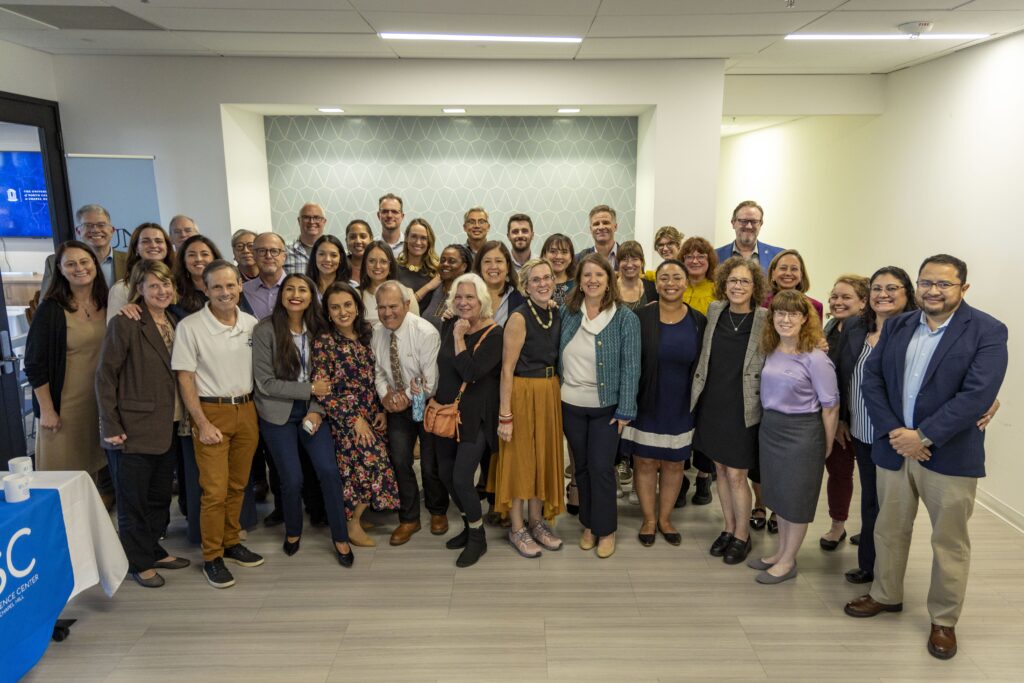
UNC Center for Galapagos Studies and the Galapagos Science Center recently hosted its first Galapagos Day on UNC-Chapel Hill’s campus titled Galapagos Day: Building Healthy Ecosystems on a Changing Planet. This event successfully brought together global researchers, students, and staff from UNC-Chapel Hill (UNC), the Universidad San Francisco de Quito (USFQ), NC State University, and the Galapagos Science Center to share about their impactful work in Galapagos and relevant opportunities for collaboration, training, outreach, and student engagement moving forward.
UNC Center for Galapagos Studies receives support from Royal Caribbean Group to enhance local programs and student experiences
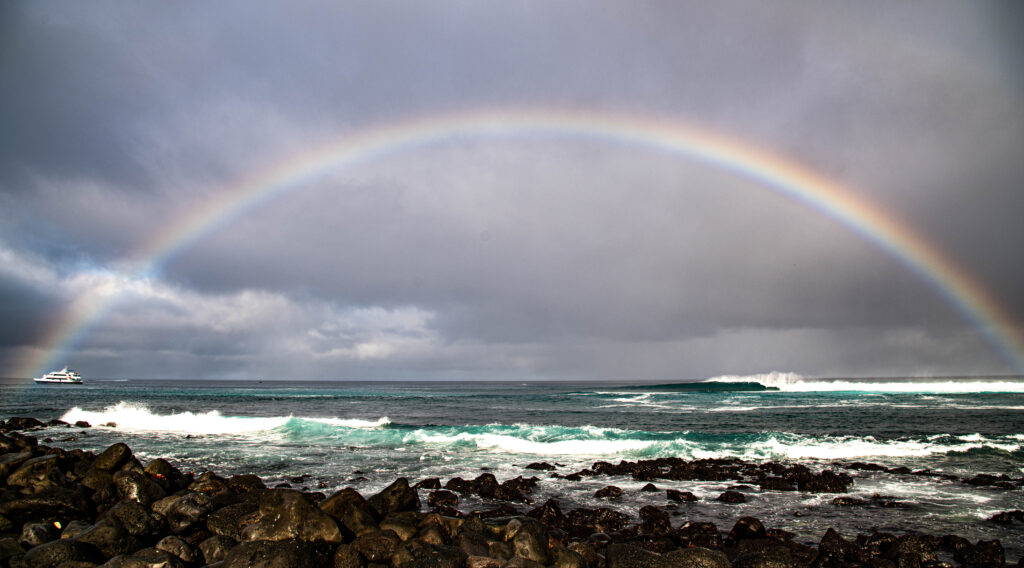
The UNC Center for Galapagos Studies has received a $600,000 contribution from Royal Caribbean Group to support research and learning initiatives, enabling the expansion of research projects, community outreach programs and student engagement. The UNC Center for Galapagos Studies partners with the Universidad San Francisco de Quito (USFQ) to operate the Galapagos Science Center, located on San Cristobal Island. It is the only university science facility of its kind in the archipelago.
A step towards an ecological future with “sustainable solutions” for the Galapagos Science Center
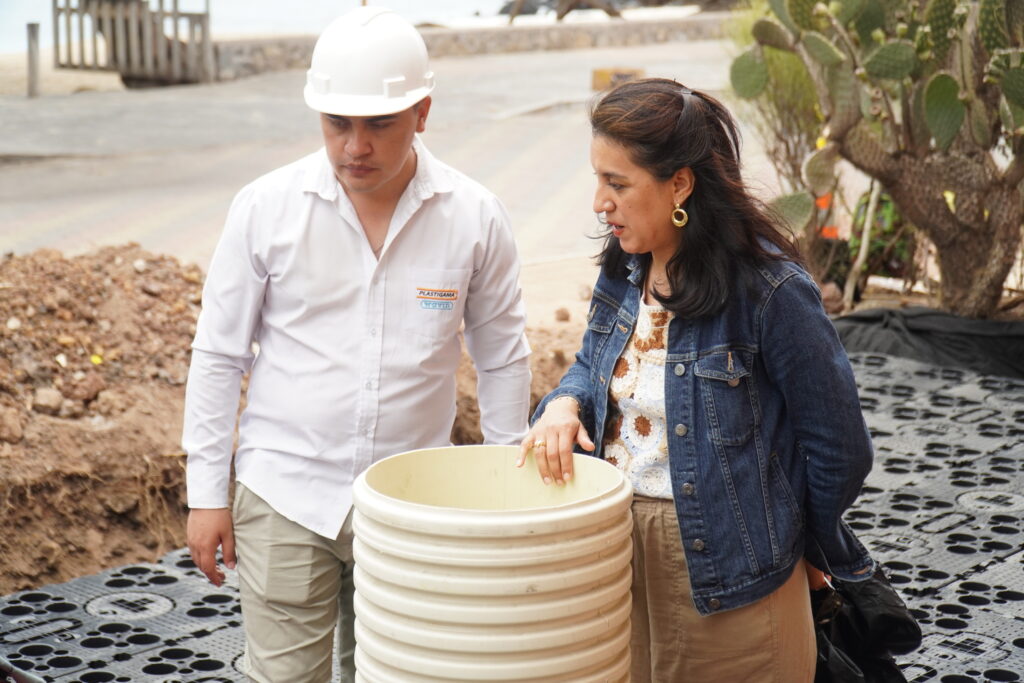
In a joint effort to promote sustainability and improve water resource management, Plastigama Wavin, the Ecuador Water Security Coalition, Universidad San Francisco de Quito (USFQ) with its Galápagos campus, and the Galapagos Science Center (GSC) implemented the “AquaCell 400 Technology Installation Project” in September. This technology is used for rainwater harvesting, treating the collected water to make it potable and safe for consumption.
“Loberto and Zally: The Galápagos Sea Lions” — A Literary Project for Education and Conservation in Galápagos
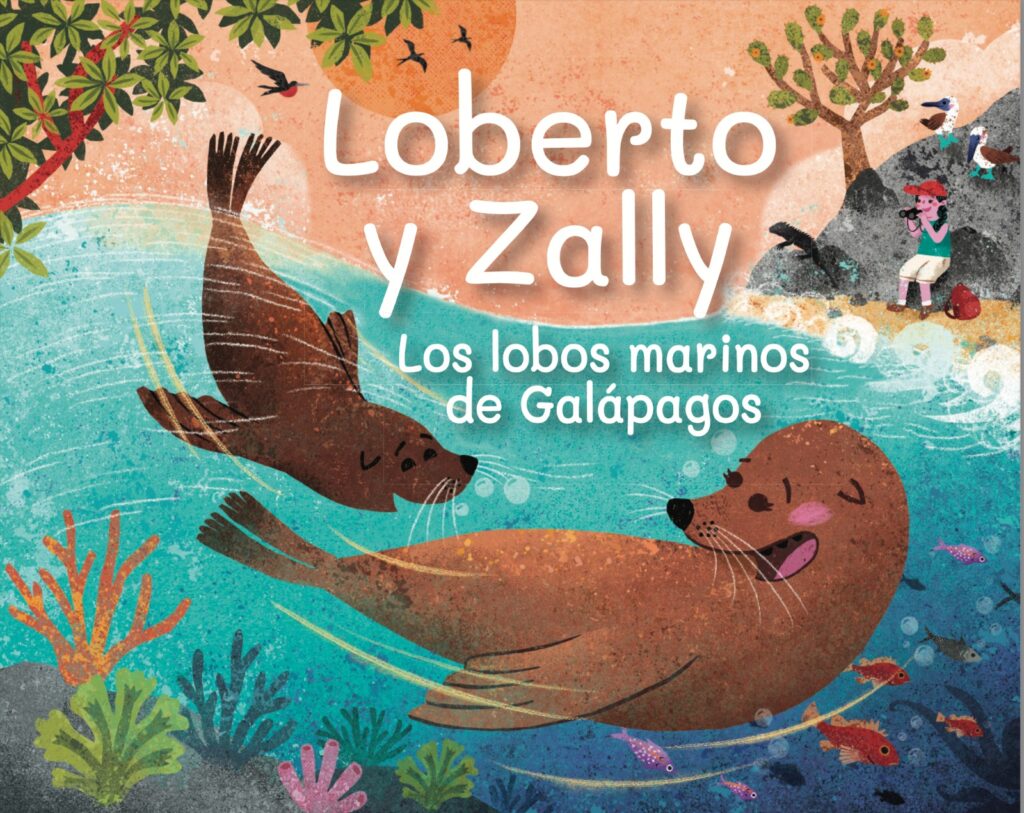
The launch of the book “Loberto and Zally: The Galápagos Sea Lions” took place on San Cristóbal Island, Galápagos, during a Family Science event organized by the GSC on August 17 of this year. The printed story will reach 200 elementary and middle school students from all educational institutions on the island.
VI Galapagos Research and Conservation Symposium: Science and Community Collaboration
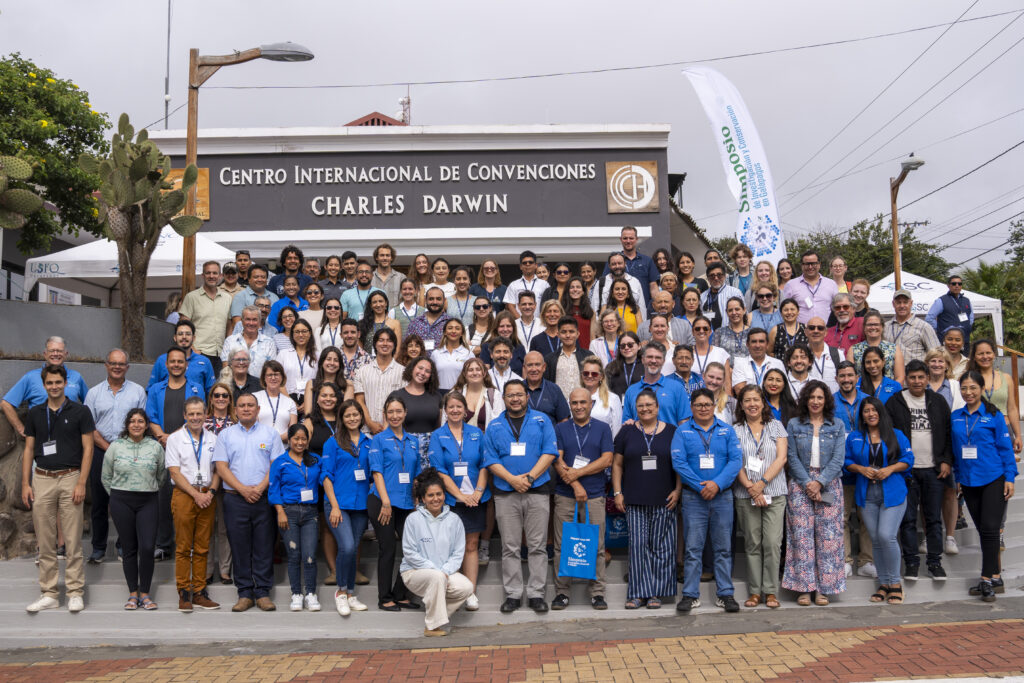
The VI Symposium on Research and Conservation of Galapagos, a multidisciplinary event that brings together experts and the community, concluded successfully after presenting the most relevant scientific research conducted in the archipelago.
Darwin returns to the Galápagos
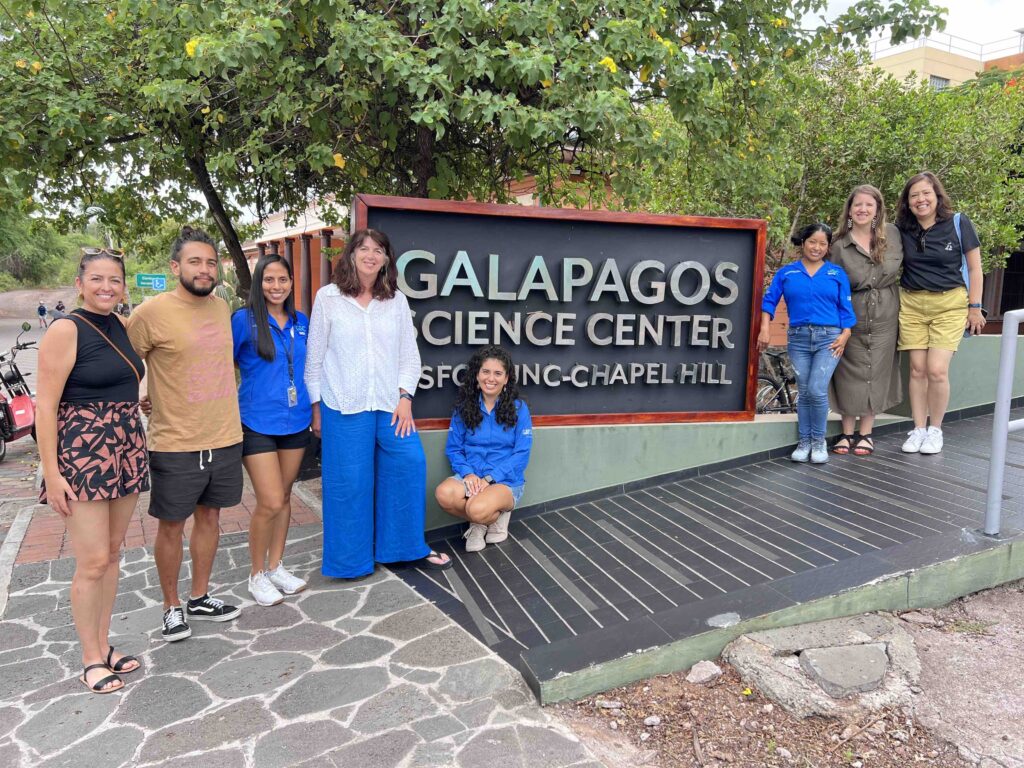
A round-the-world endeavor to sustain the legacy of Charles Darwin brings his great-great-granddaughter to the archipelago to visit with Galapagos Science Center researchers. One of the goals of the DARWIN200 project is to connect young, global conservationists to inspiring research projects where they can study a threatened habitat or an animal or plant that Charles Darwin studied during his famous voyage.
Scientific research cruise: “Assessment of the health and population status of Galápagos´emblematic fauna in the face of climate change conditions in the archipelago”
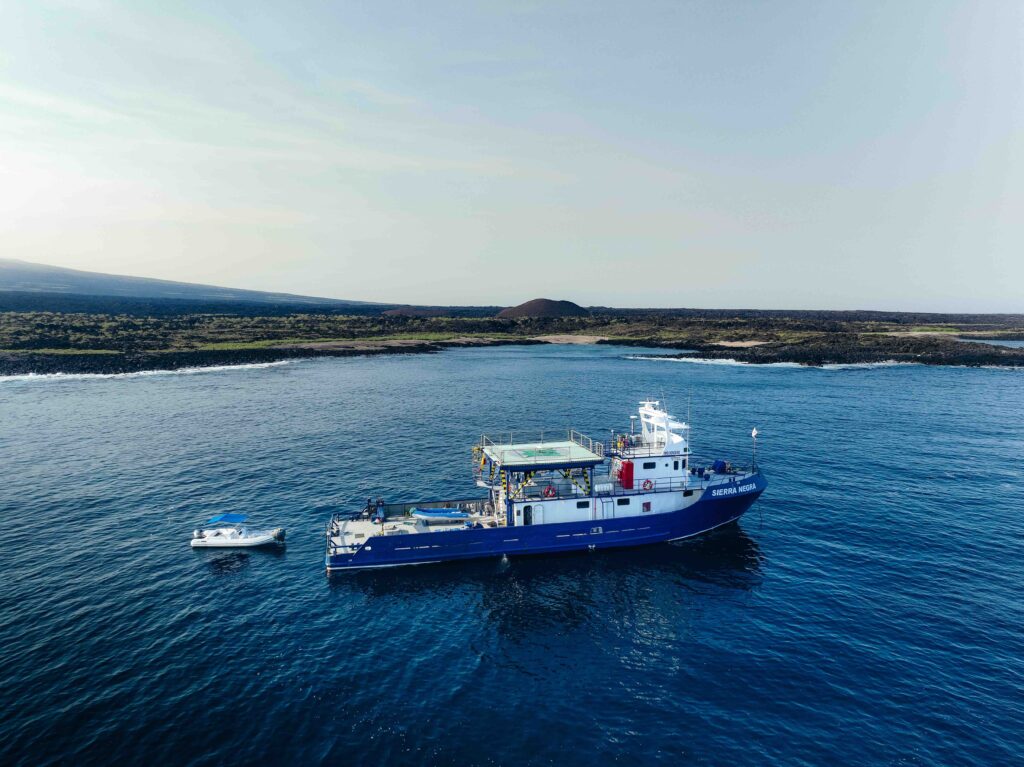
During March and April 2024, monitoring and scientific research activities.