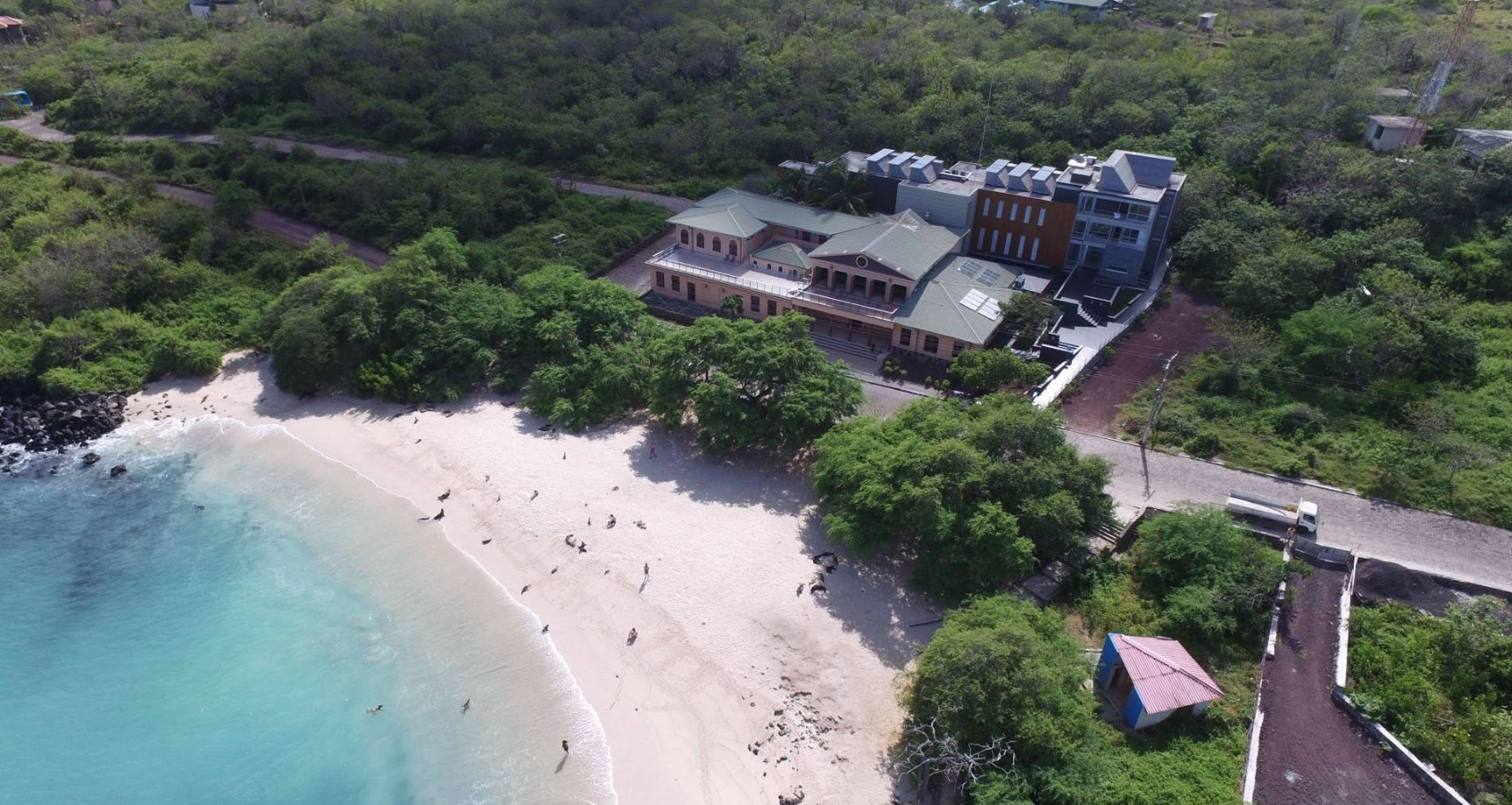
Changes in marine iguana (Amblyrhynchus cristatus) heart rates suggest reduced metabolism during El Niño events
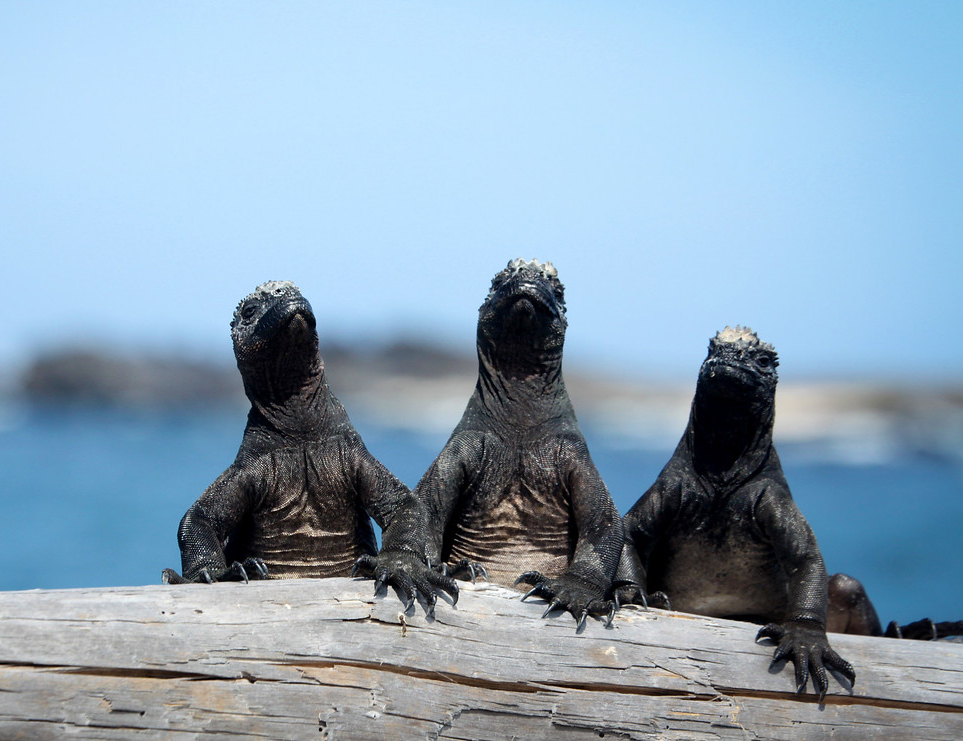
The marine iguanas of Galápagos (Amblyrhynchus cristatus) have the ability to lower their heart rate to conserve energy—an adaptation developed to cope with El Niño events. During these periods, warmer ocean temperatures reduce algae, their main food source, threatening the survival of the world’s only marine lizard.
Killer Whale (Orcinus orca) Opportunistic Predation Events on Whale Sharks (Rhincodon typus) in the Eastern Tropical Pacific
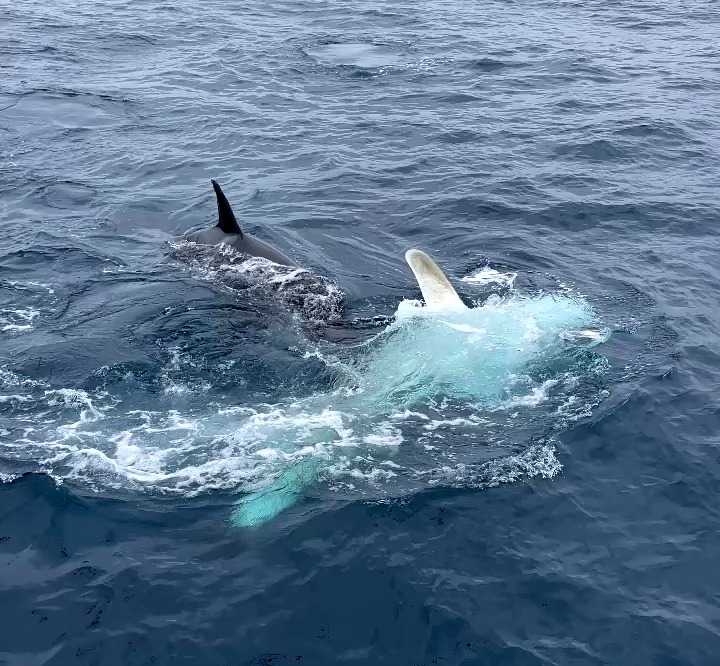
Killer whales (Orcinus orca) are known as one of the ocean’s most versatile predators, yet their behavior in tropical waters remains a mystery. This study documents, for the first time, orca attacks on whale sharks (Rhincodon typus) in Ecuador and Panama, providing valuable insights into their hunting strategies in the Eastern Tropical Pacific (ETP). Understanding these events is key to expanding knowledge about this predator’s dynamics in the region.
Genomes of Galápagos Mockingbirds Reveal the Impact of Island Size and Past Demography on Inbreeding and Genetic Load in Contemporary Populations
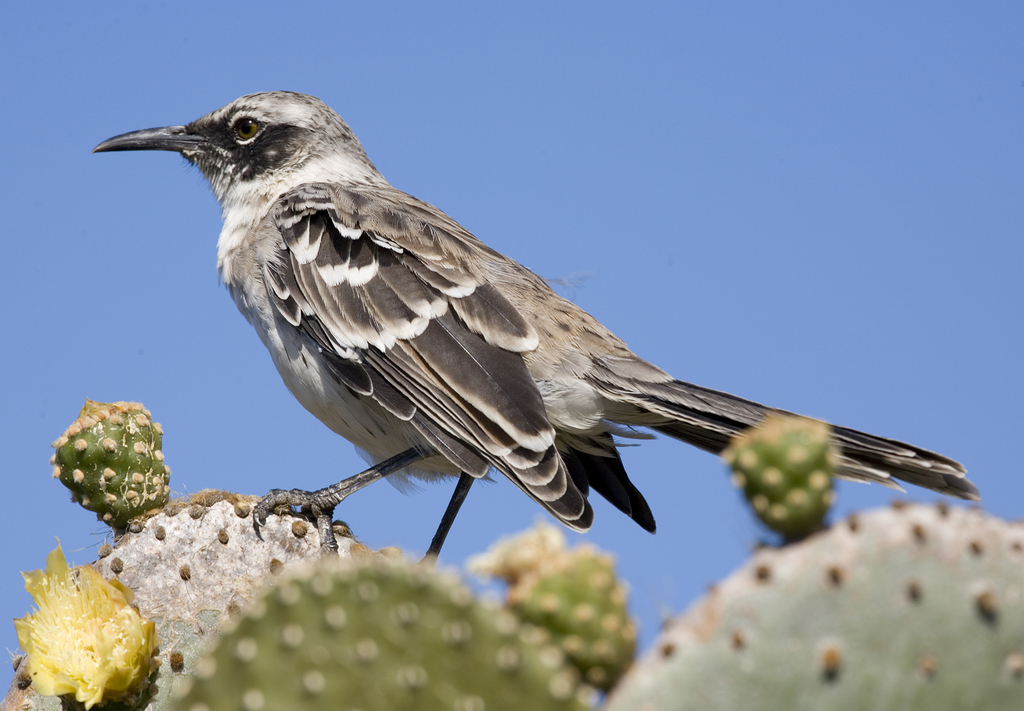
The species inhabiting oceanic islands have been fundamental in the study of evolution. Due to their isolation, these populations tend to have smaller sizes and lower genetic diversity compared to their mainland relatives. This can lead to negative effects such as the accumulation of harmful mutations and inbreeding (mating between genetically related individuals), which threatens their survival. The Galápagos mockingbirds (Mimus spp.) represent an ideal case to analyze the relationship between the size of the island they inhabit and genetic variations in their populations.
Health status and morphometrics of Galápagos magnificent frigatebirds (Fregata magnificens magnificens) determined by hematology, biochemistry, blood gas, and physical examination
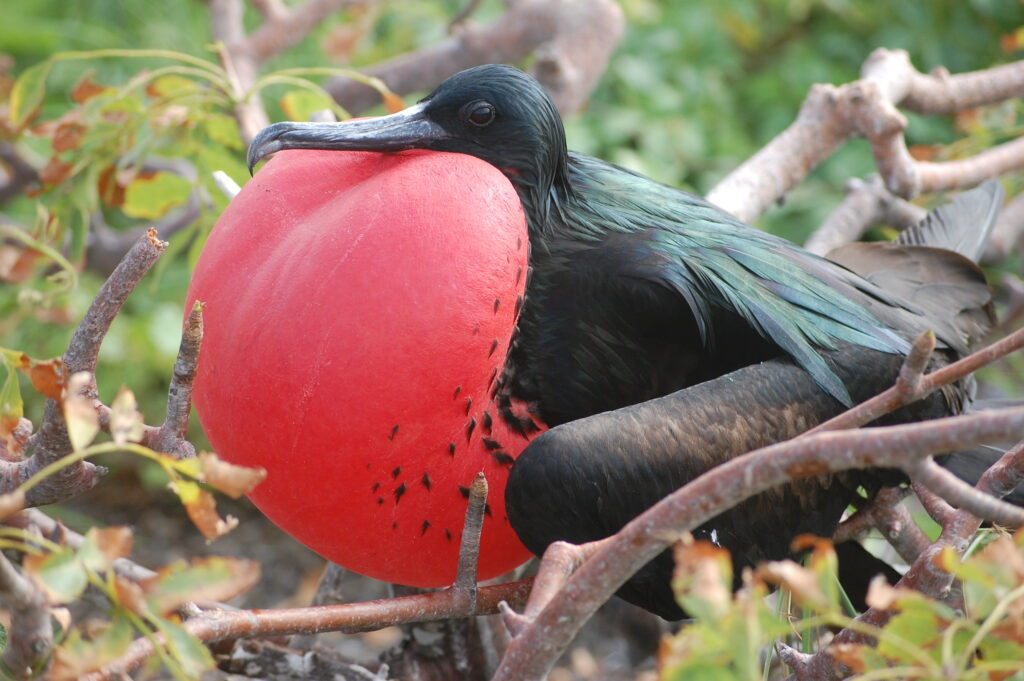
The magnificent frigatebird (Fregata magnificens; MFB) is a seabird found in the Atlantic and Pacific Oceans. In the Galápagos Islands, the endemic subspecies Fregata magnificens magnificens inhabits the archipelago. This study presents, for the first time, the hematological and blood biochemical values of this population in the region.
Canine vector-borne parasites in the Galapágos

Endemic species of the Galápagos Islands are vulnerable to newly introduced pathogens, often transmitted through invasive hosts. One example is invasive parasitic arthropods, whose evolutionary success is linked to their association with domestic animals present in the archipelago. This interaction poses a significant risk, as these parasites can switch hosts and facilitate pathogen transmission between domestic and wild species.
Ontogenetic feeding shifts in two thresher shark species in the Galapagos Marine
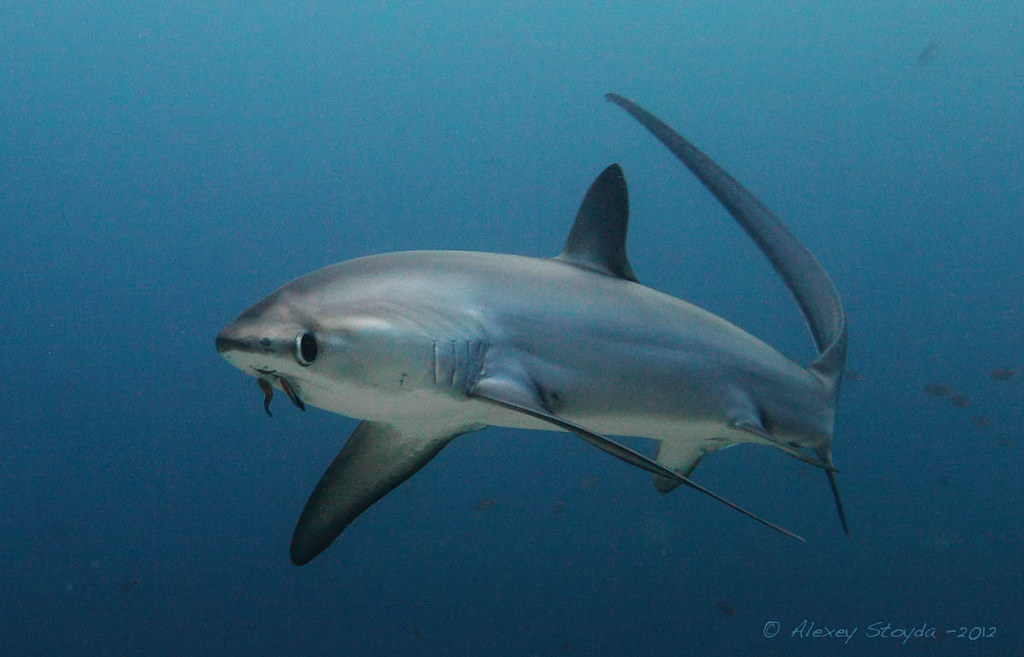
Thresher sharks are key predators in the marine ecosystems of the Tropical Pacific Ocean, playing a fundamental role in maintaining ecological balance. They primarily feed on squid and small fish. This study aims to assess possible ontogenetic changes in the feeding habits and habitat use of two thresher shark species (Alopias pelagicus) and (Alopias superciliosus) inhabiting the Galápagos Marine Reserve (GMR), aspects that remain poorly understood in the region.
Molecular Discovery of Filarial Nematode DNA in an Endangered Wild Pinniped (Galapagos Sea Lion, Zalophus wollebaeki)
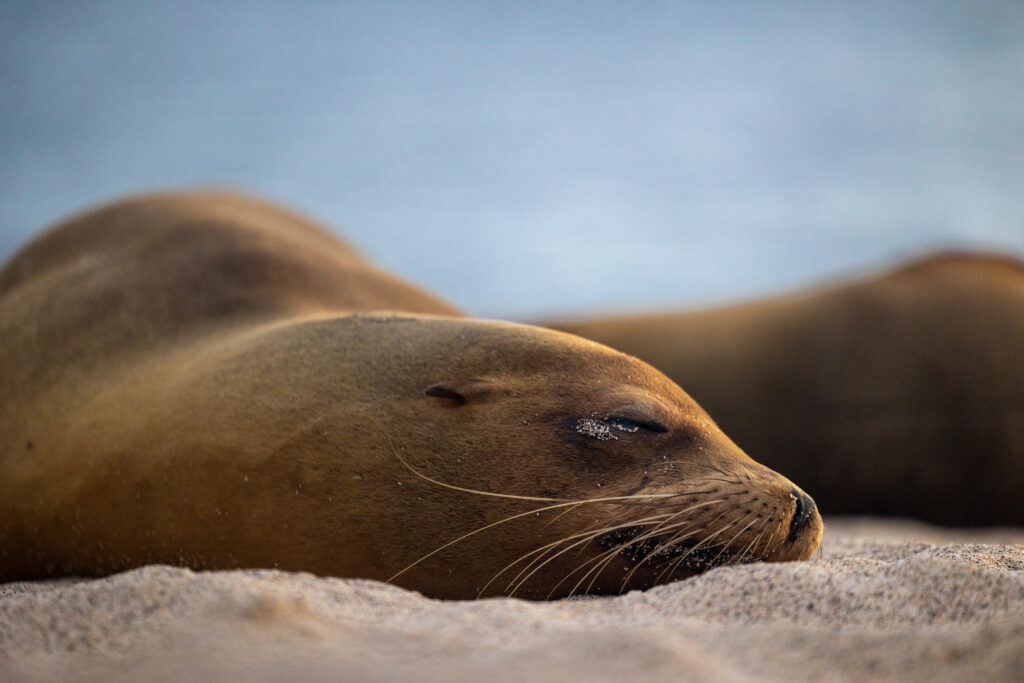
Environmental changes contribute to the arrival of non-native species and their pathogens in sensitive ecosystems such as the Galápagos Islands. This poses a significant risk to the archipelago’s unique species, including the Galápagos sea lion (Zalophus wollebaeki), an endemic and endangered animal that faces the threat of contracting diseases from introduced domestic animals.
Commentary: “Addressing illegal longlining and ghost fishing in the Galapagos marine reserve: an overview of challenges and potential solutions”

The commentary on the article “Addressing illegal longlining and ghost fishing in the Galapagos marine reserve: an overview of challenges and potential solutions” by Alex Hearn and Santiago Bucaram questions the proposal to develop an open water tuna fishery, warning about the risks of legalizing harmful fishing practices for the marine ecosystem. Additionally, they analyze the challenges faced by the Galapagos due to the use of illegal longlines.
Assessing economic losses in artisanal fisheries from marine plastic pollution in coastal Ecuador and Peru

This study reveals that the artisanal fishing sector along the coastal regions of Ecuador (excluding Galapagos) and Peru faces significant economic losses due to the considerable presence of marine plastic debris which directly impacts productivity.
Nutrient enrichment can increase the thermal performance of Galápagos seaweeds
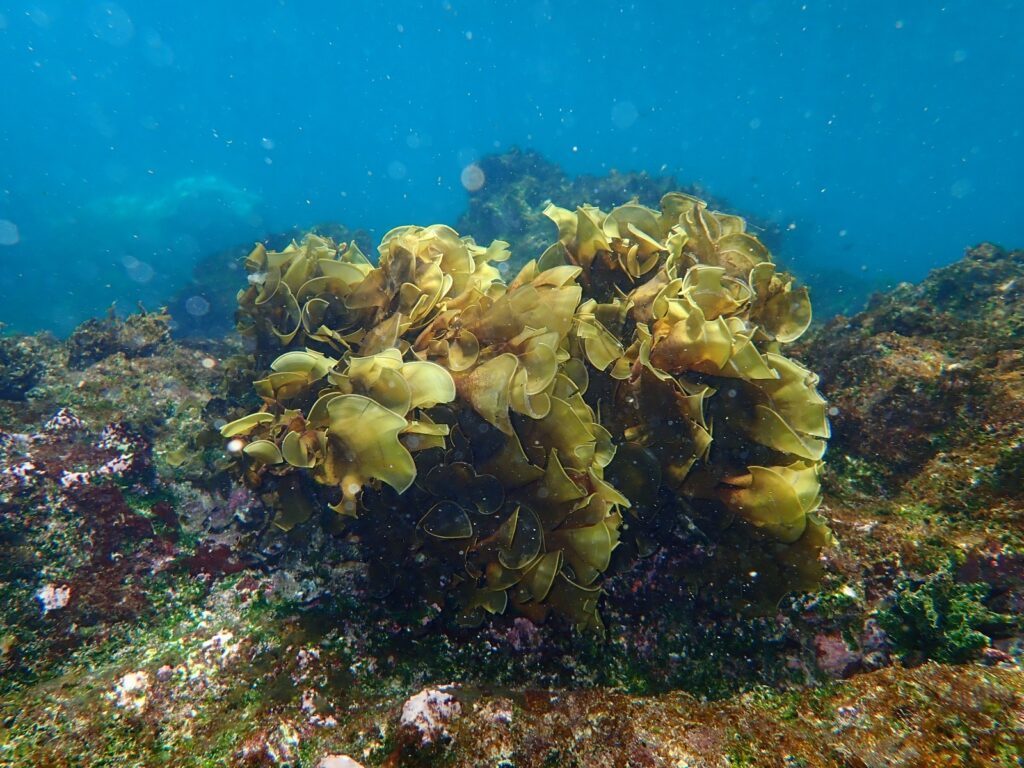
This study, published in Marine Ecology Progress Series, examines how nutrient availability can help marine macroalgae in the Galápagos Islands better adapt to higher temperatures—a challenge they face due to climate change. Macroalgae are essential aquatic plants for marine ecosystems as they provide food and shelter for many species. However, their ability to survive and thrive largely depends on environmental conditions, such as the amount of nutrients in the water.