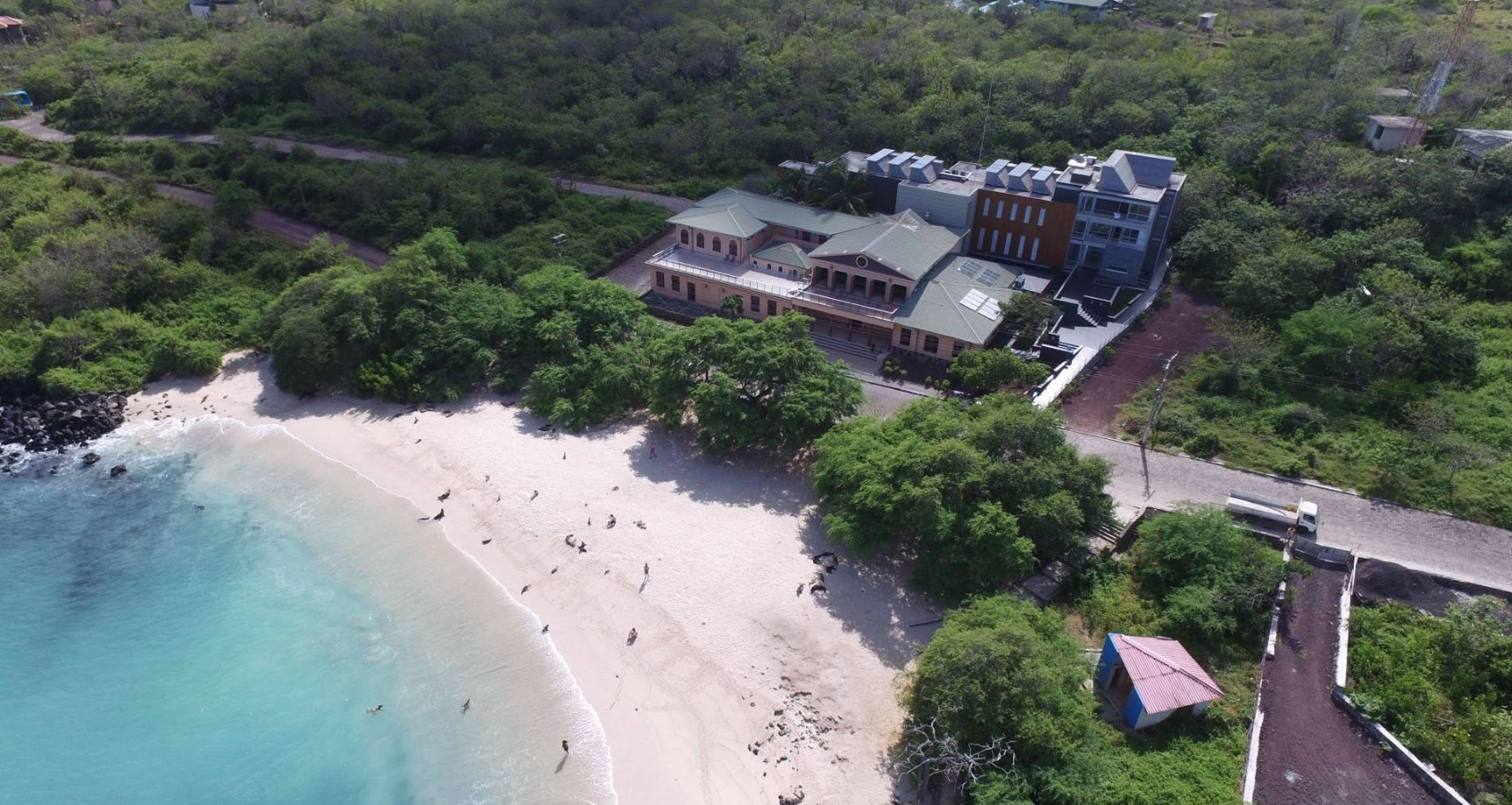
Taxonomic assessment of blade-forming Ulva species (Ulvales, Chlorophyta) in the Galápagos Archipelago, Ecuador using DNA sequencing
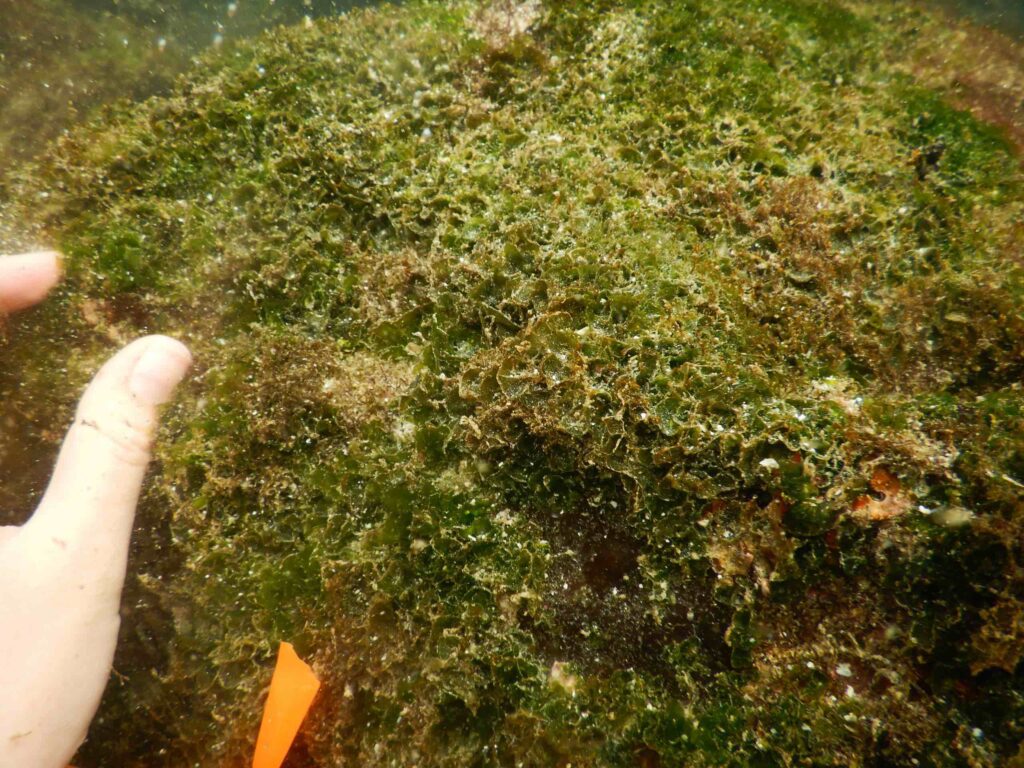
DNA sequences were obtained from 32 blade-forming Ulva specimens collected in 2018 and 2019 from four islands in the Galápagos Archipelago.
Tourists´ willingness to fund local investments in renewable energy: A contingent valuation study from the Galápagos Islands
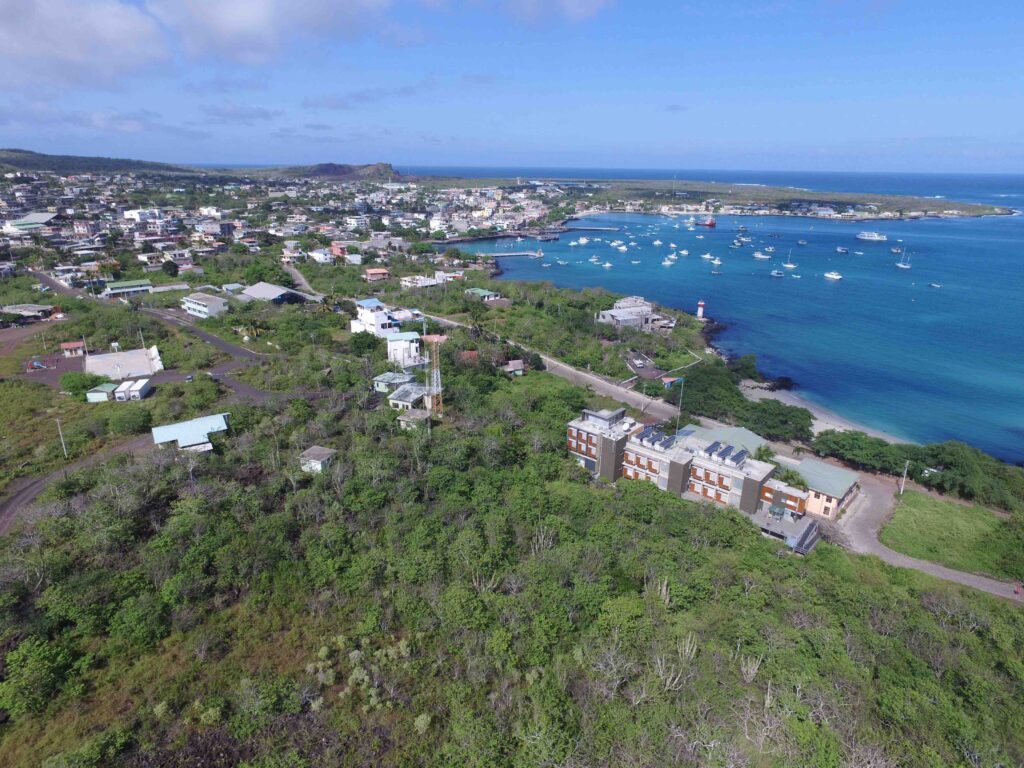
Developing areas need alternative sources to fund renewable energy projects. Contingent valuation is applied to elicit tourists’ willingness to donate.
Plastic pollution transcends marine protected area boundaries in the eastern tropical and south-eastern Pacific
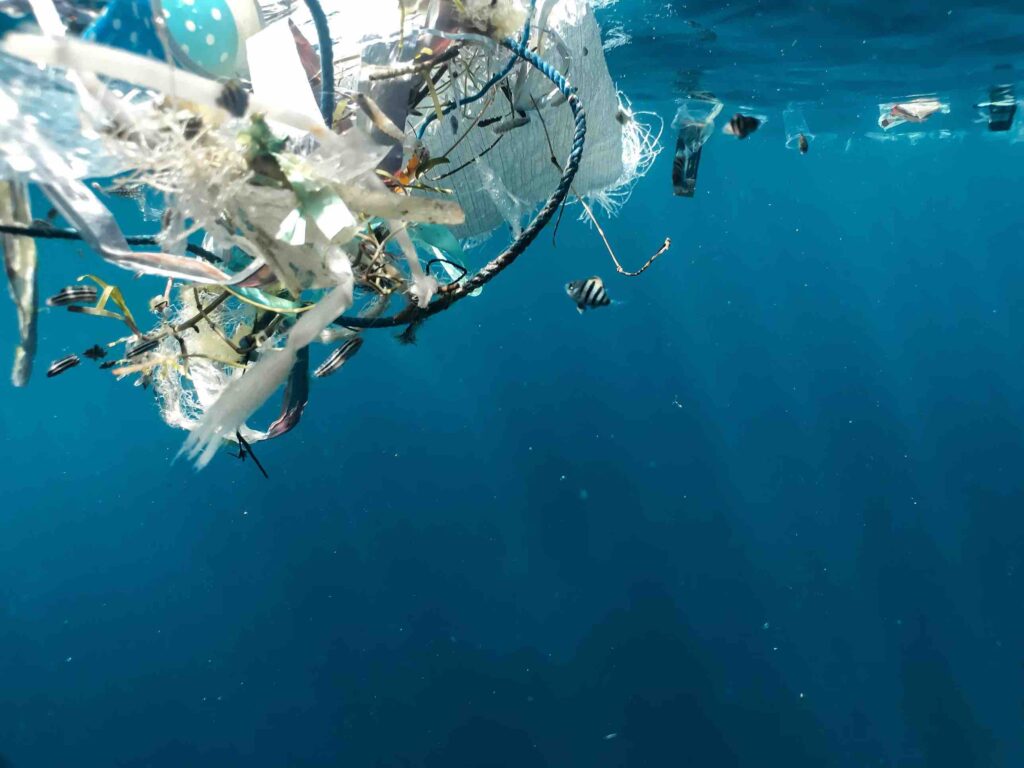
Analysis of 430 sites to assess plastic pollution in ET/SE Pacific. No significant difference in plastic levels inside / outside of Marine Protected Areas.
Whole-genome analysis reveals the diversification of Galapagos rail (Aves: Rallidae) and confirms the success of goat eradication programs
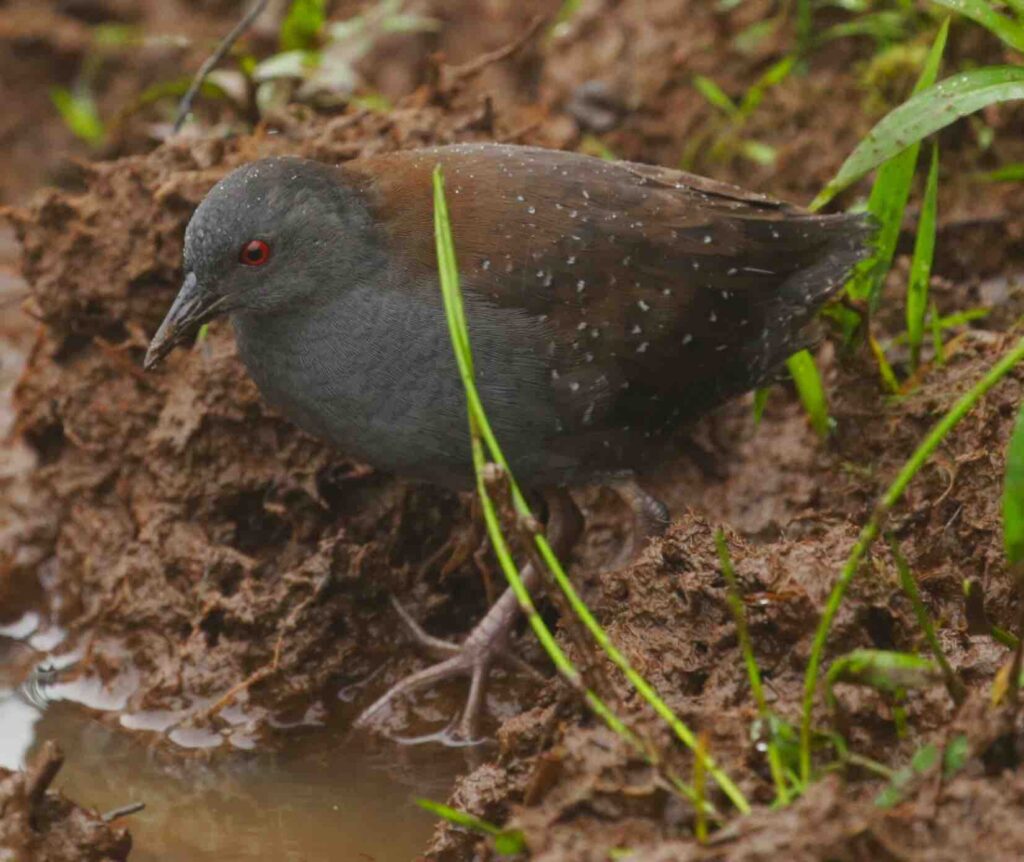
Despite their short evolutionary history, rails have colonized seven different islands spanning the entire width of the archipelago.
Sea surface microplastics in the Galapagos: Grab samples reveal high concentrations of particles <200 μm in size

Grabs reveal four-orders of magnitude greater microplastic abundances than tows. 44 % of microplastic particles in seawater grabs were <200 μm. Plankton tows (mesh size 200 μm) underestimate seawater microplastic concentrations.
Divergent responses of pelagic and benthic fish body-size structure to remoteness and protection from humans
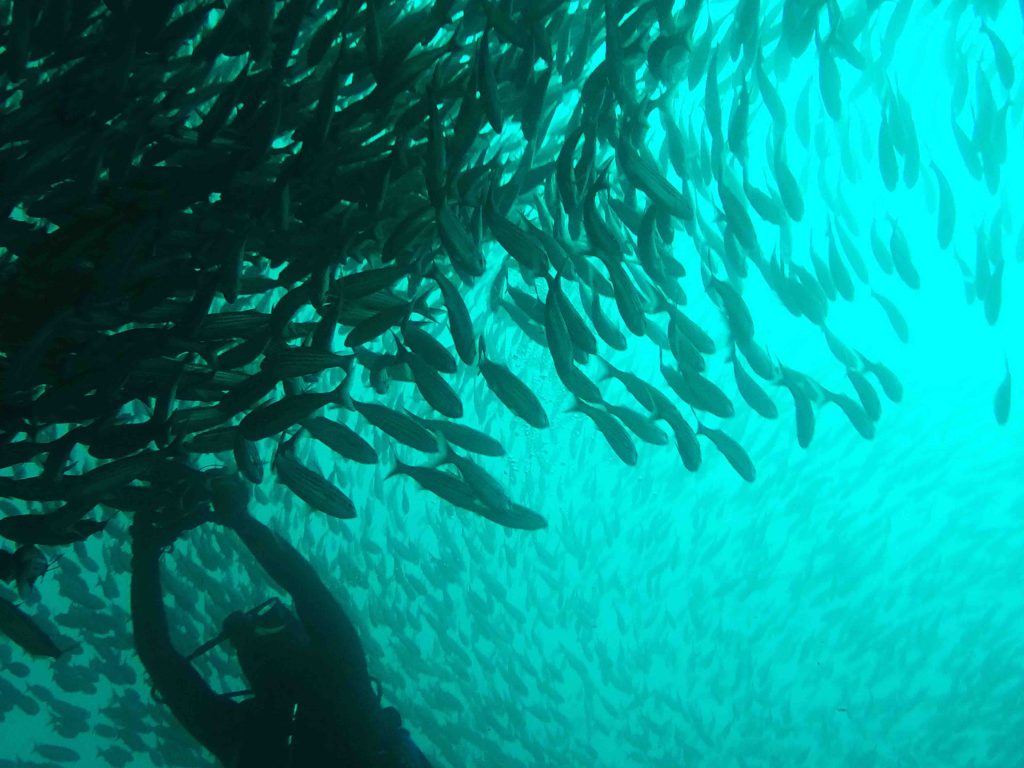
Marine megafauna are increasingly threatened and are difficult to protect. Understanding the influence of humans on body size in fishes is also challenging given that data on marine species often come from fishery-based activities.
DNA-metabarcoding supports trophic flexibility and reveals new prey species for the Galapagos sea lion
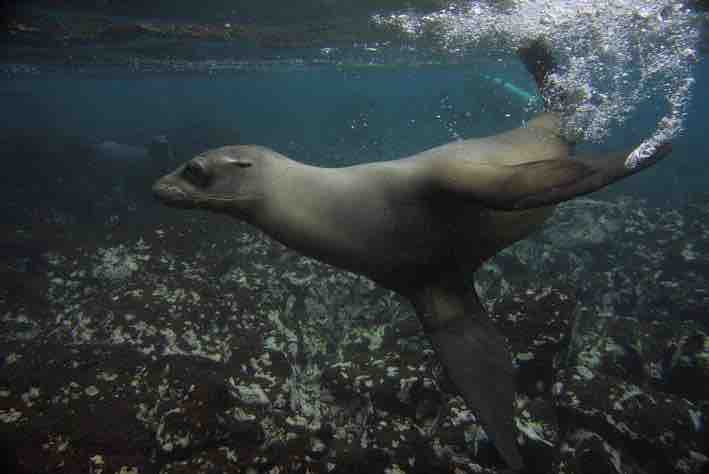
These findings provide evidence of Galapagos sea lion adopting a trophic flexibility to tune their diets to different ecological contexts. Tropical ecosystems are challenging for pinnipeds due to fluctuating food availability.
Novel herpesvirus in the critically endangered Galapagos pink land iguana
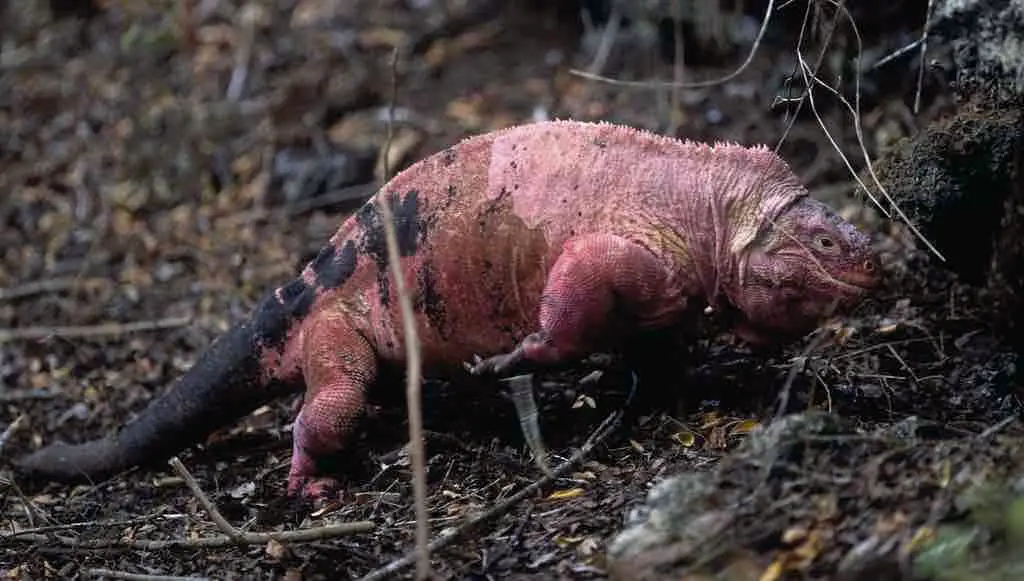
Virus surveillance in wildlife is important to understanding ecosystem health, taxonomy, and evolution. Nevertheless, viruses in reptiles, and specifically in squamates, continue to be understudied. We conducted a health assessment on the critically endangered pink land iguana.
Natural History and Conservation of the Galapagos Snake Rediation
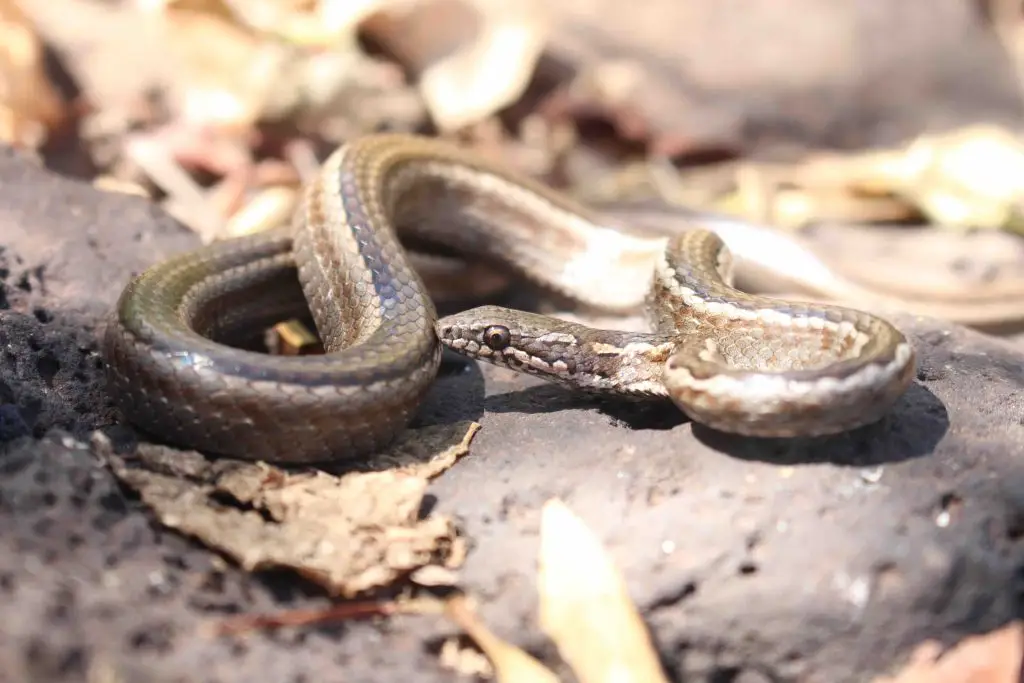
The Galapagos Archipelago has been world-famous since Darwin’s visit and is recognized for its species radiation and high levels of endemism. However, Galapagos snakes of the genus Pseudalsophis remained poorly known until recently.
Concentrations of lead in pinniped bones confirm Galapagos as a relatively unpolluted environment
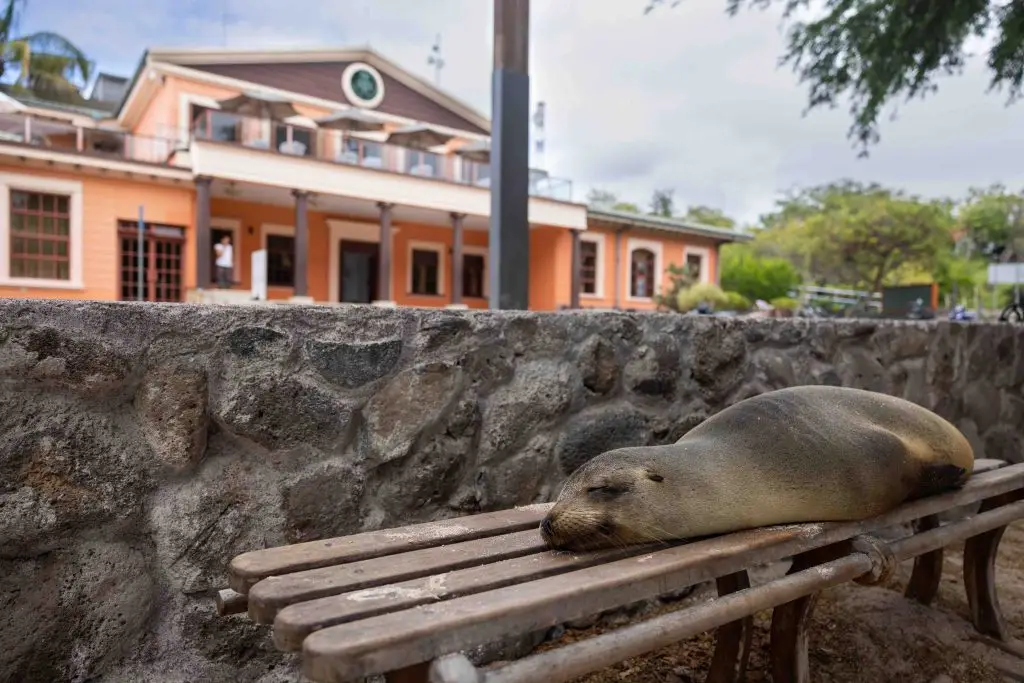
Lead (Pb) is a trace element that is naturally present in arid regions but it is also released to the marine environment by anthropogenic industrial emissions. Here, we assessed Pb concentrations in bone samples of four pinniped species.