Proyecto LTER – Wreck Bay

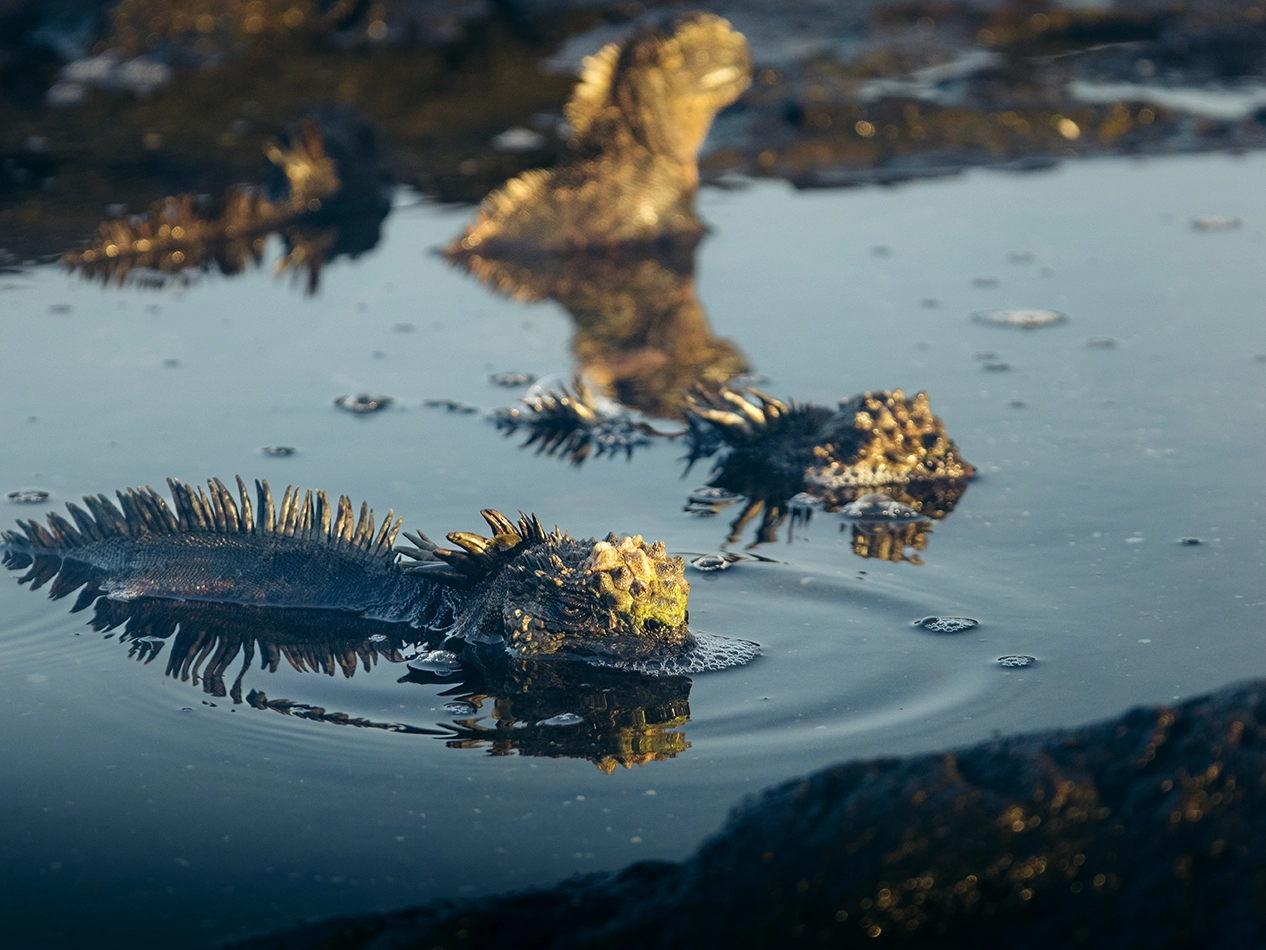
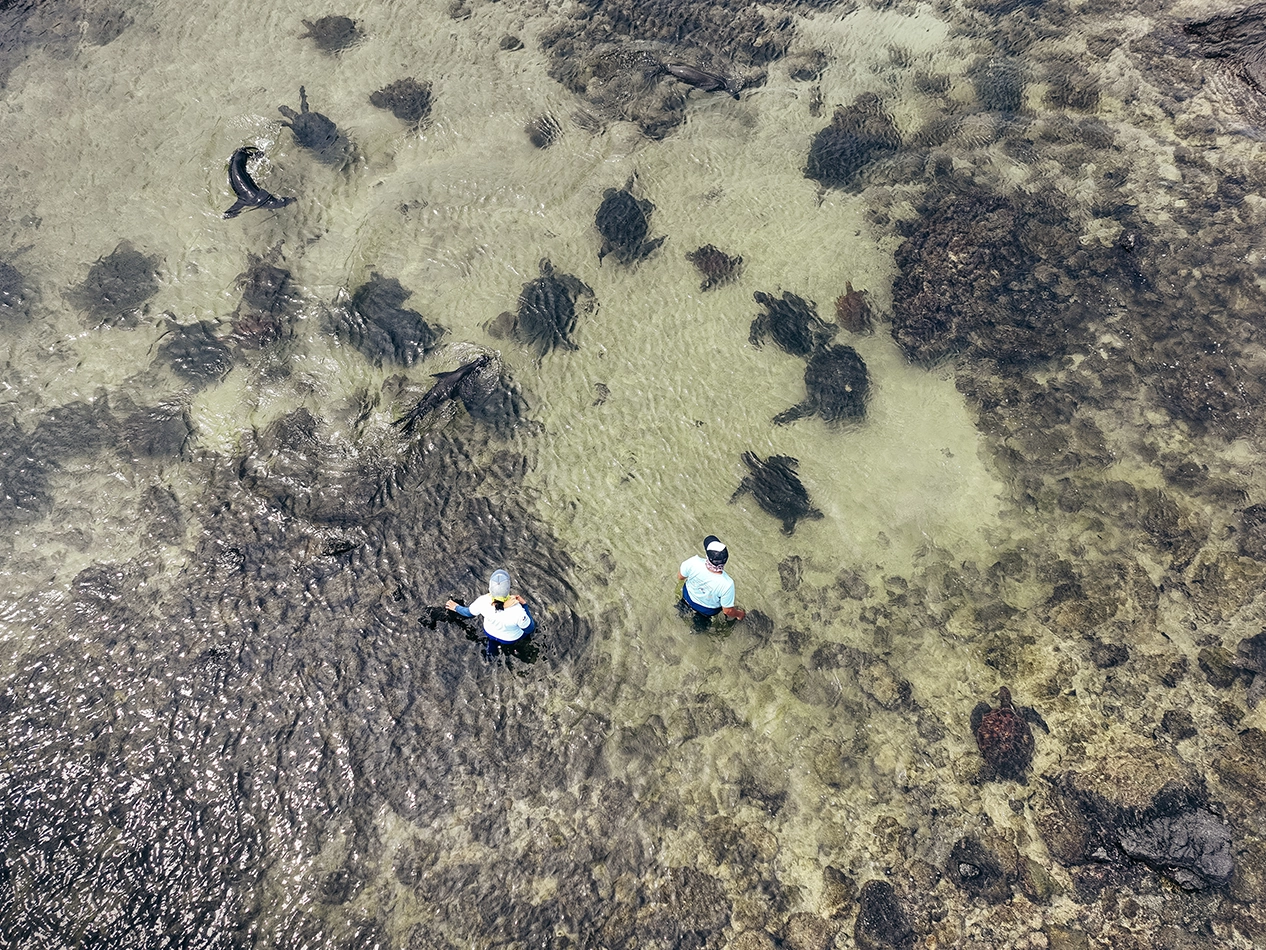
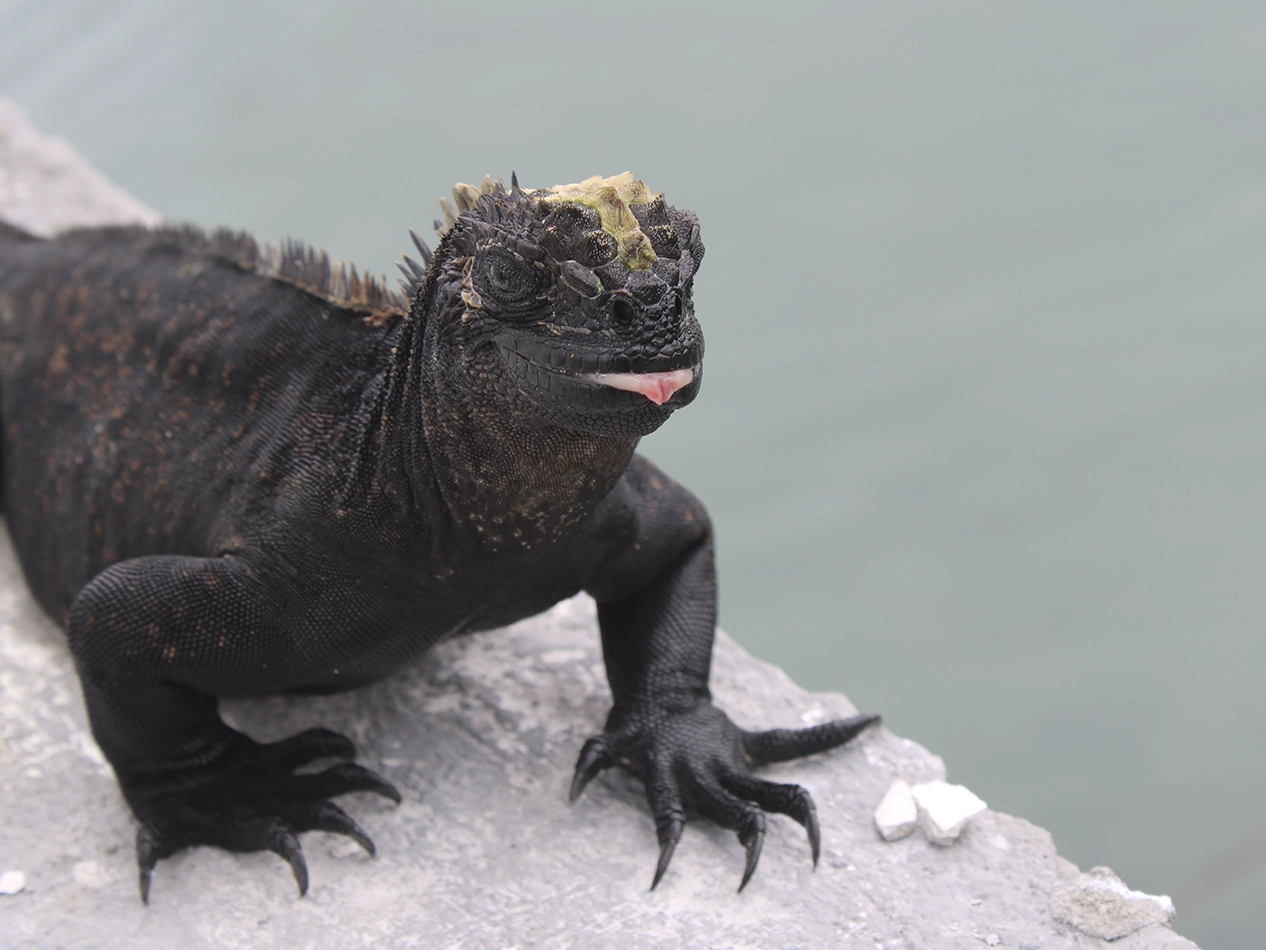
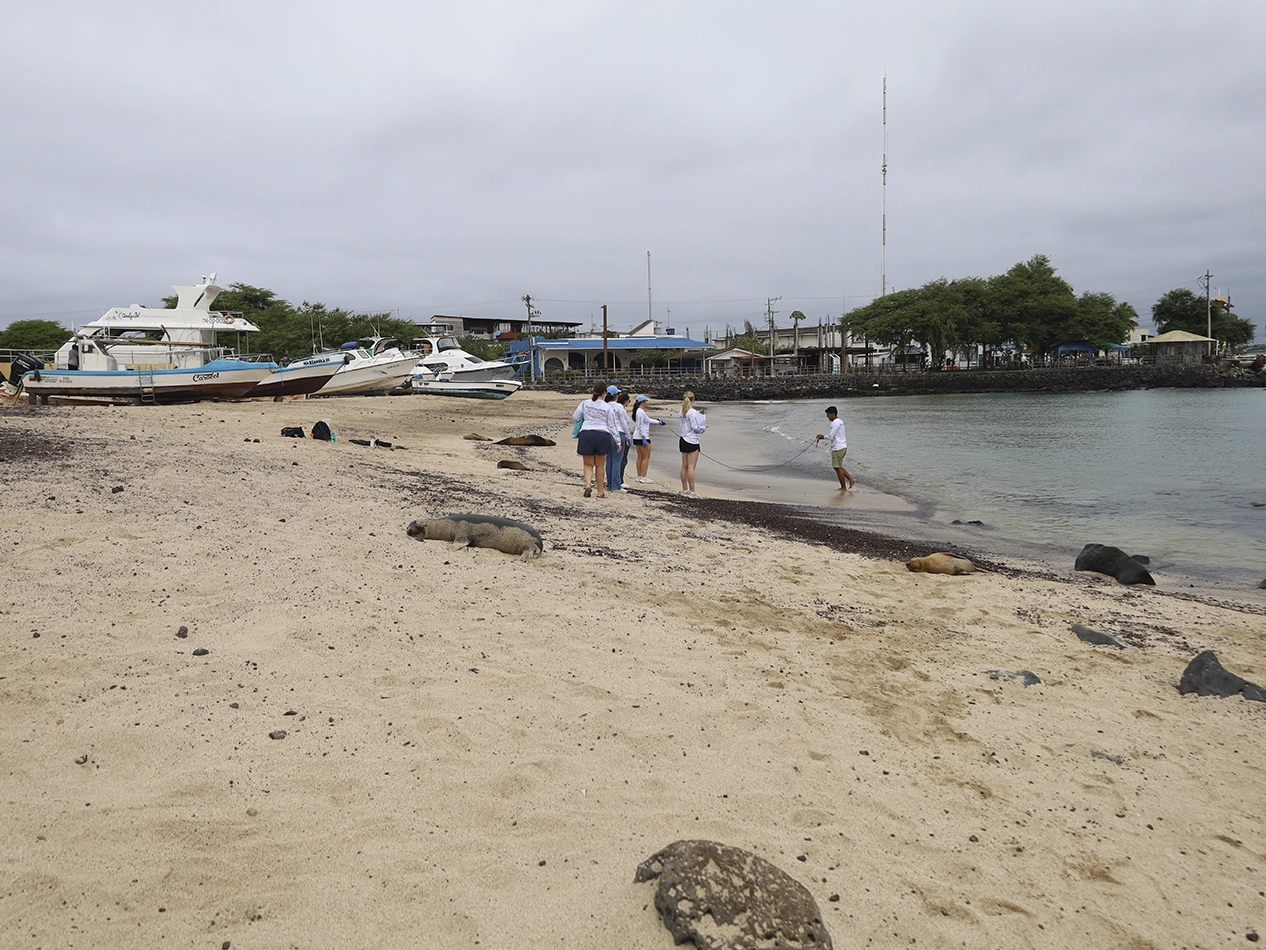
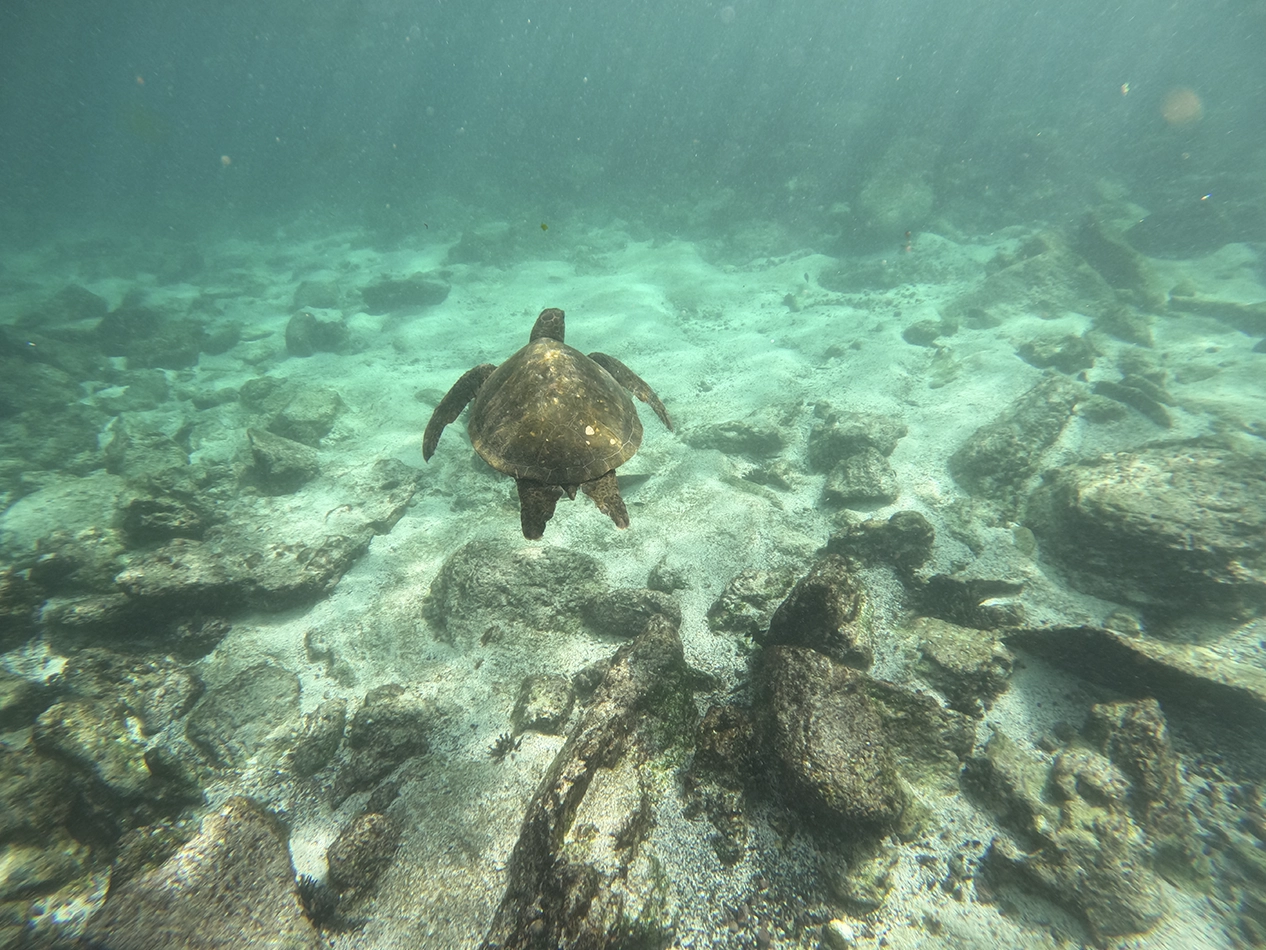
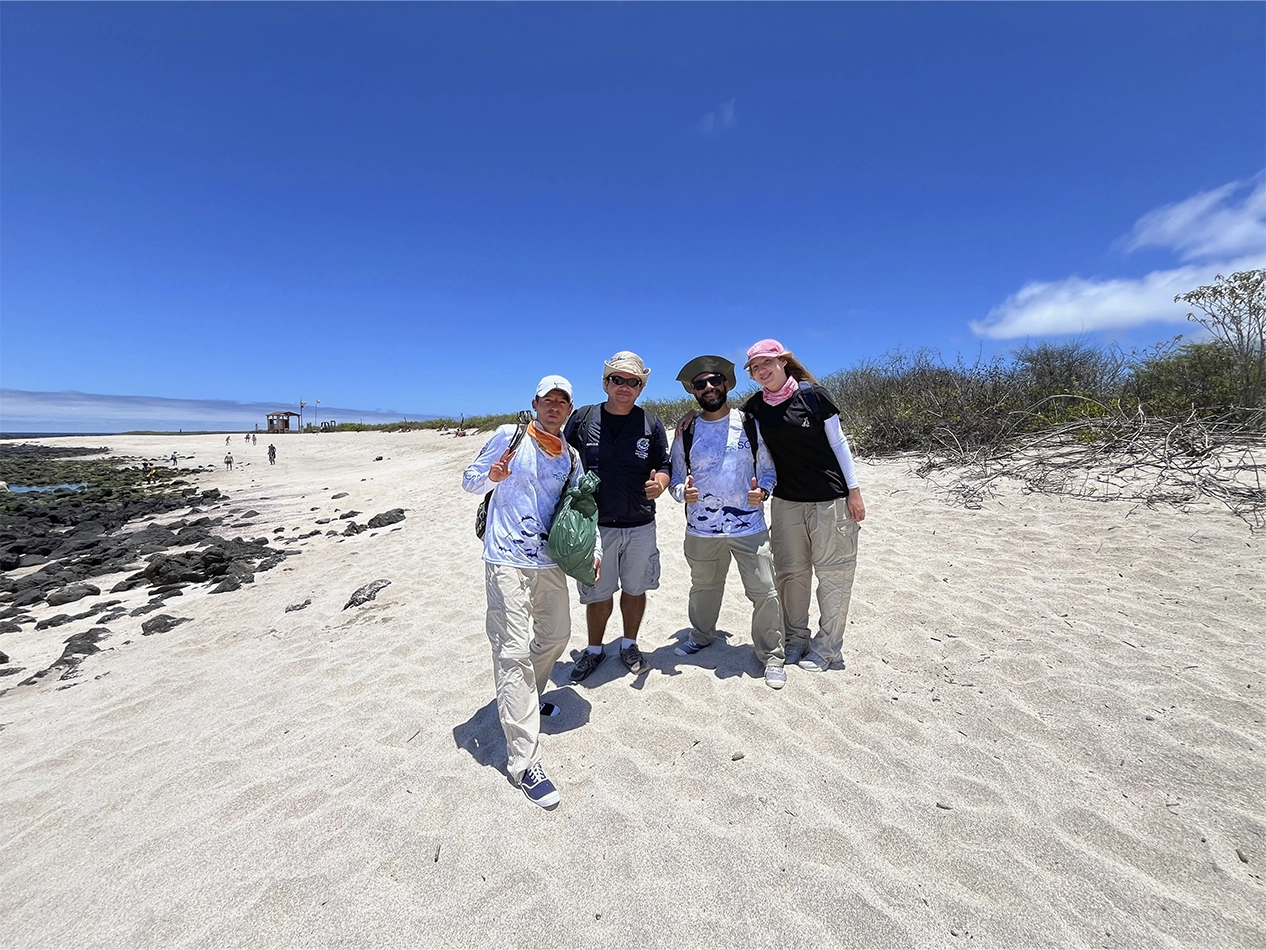
El proyecto de Análisis Ecológico a Largo Plazo en Bahía Naufragio (LTER-WB) estudia los cambios ecológicos y socioambientales en Puerto Baquerizo Moreno, en la isla de San Cristóbal, a partir de la generación continua de datos en el tiempo.

Forma parte de la red internacional Long Term Ecological Research (LTER), iniciada en 1980 por la National Science Foundation de Estados Unidos y consolidada globalmente a través de la International LTER Network, que actualmente integra más de 750 sitios en el mundo.

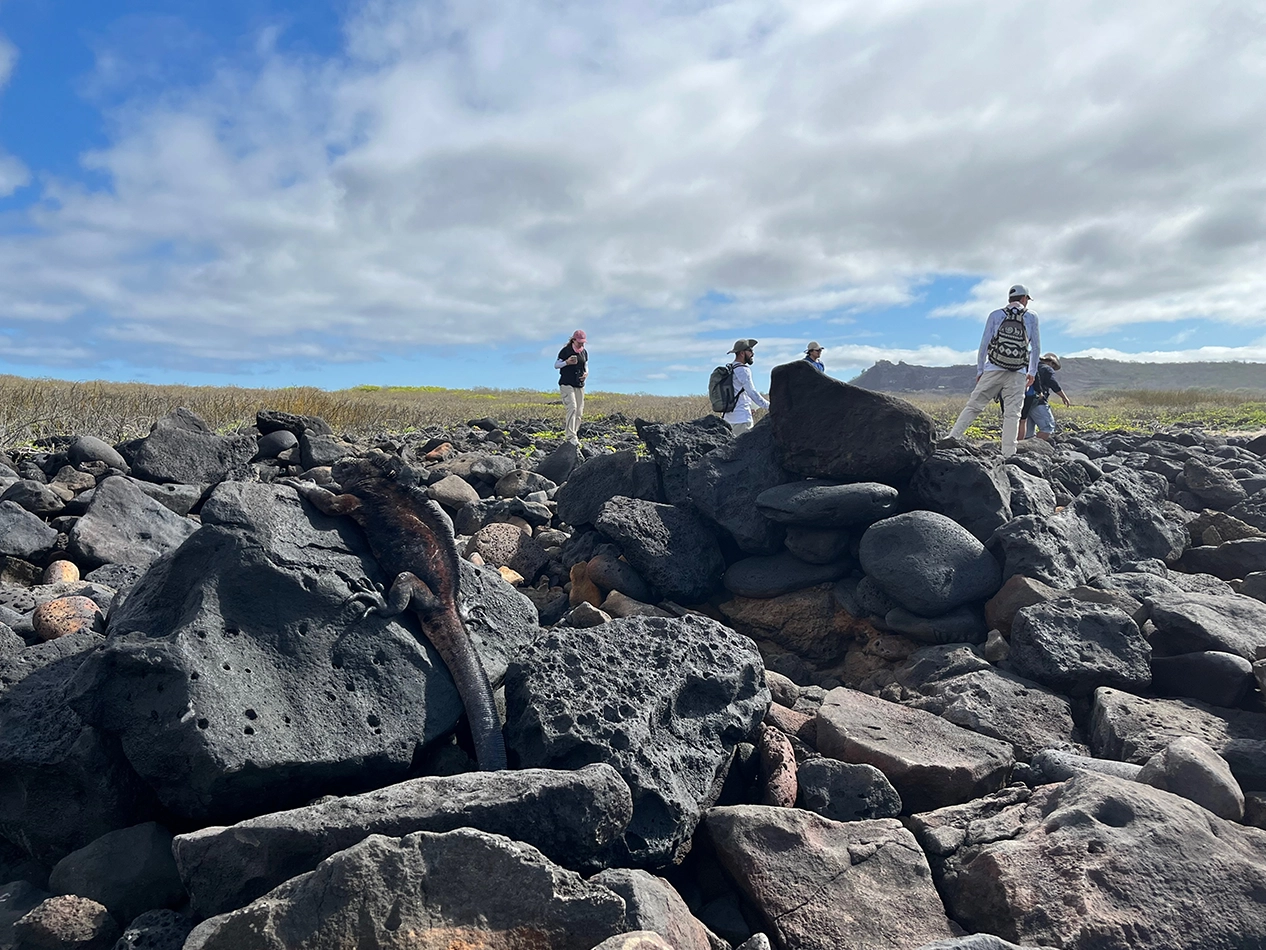
En un entorno donde convergen ecosistemas marinos, terrestres y urbanos, y donde interactúan presiones como el turismo, el cambio climático y el crecimiento poblacional, el proyecto toma a Bahía Naufragio como un ecotono estratégico para el monitoreo de la salud de los ecosistemas.

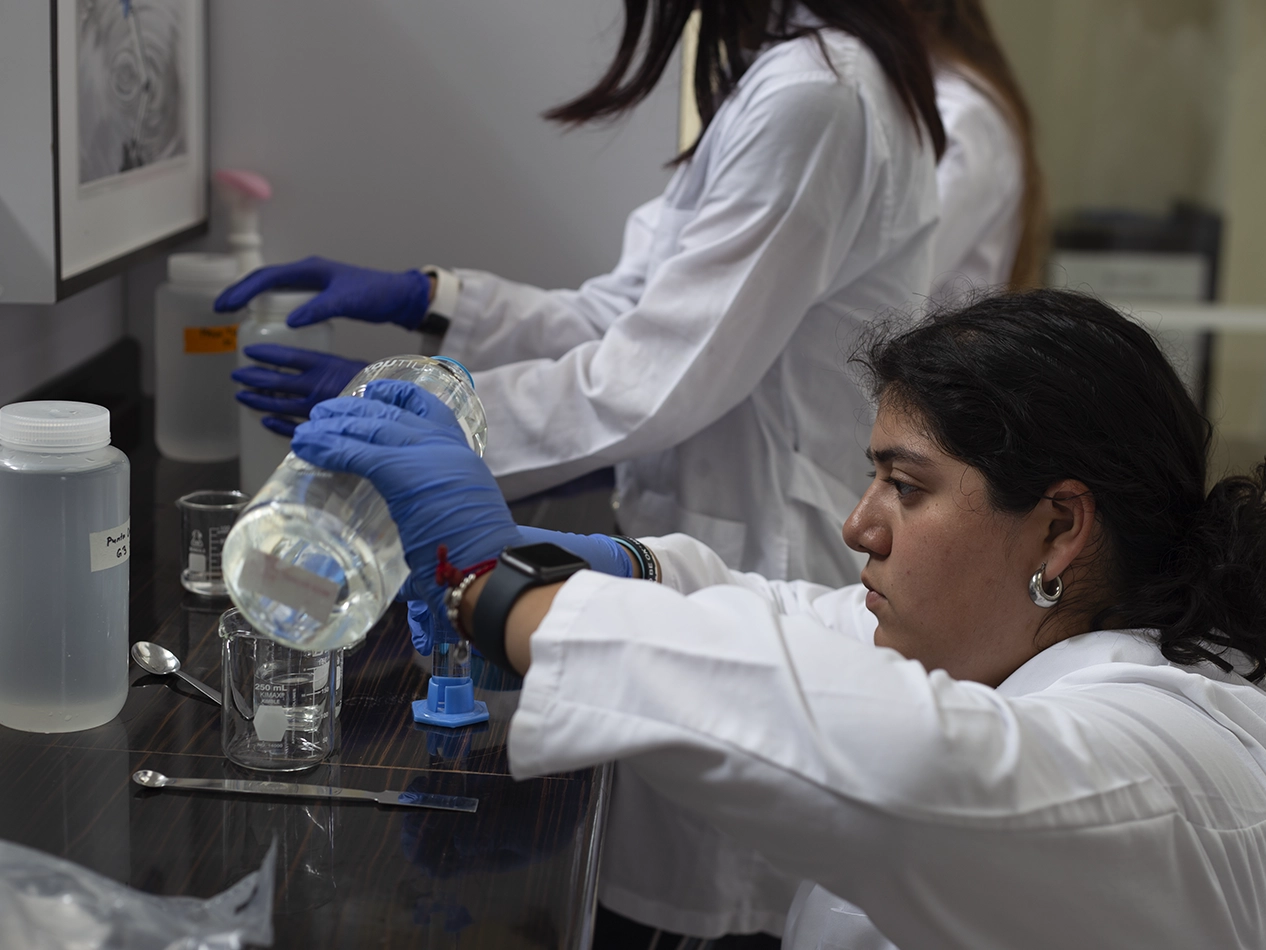
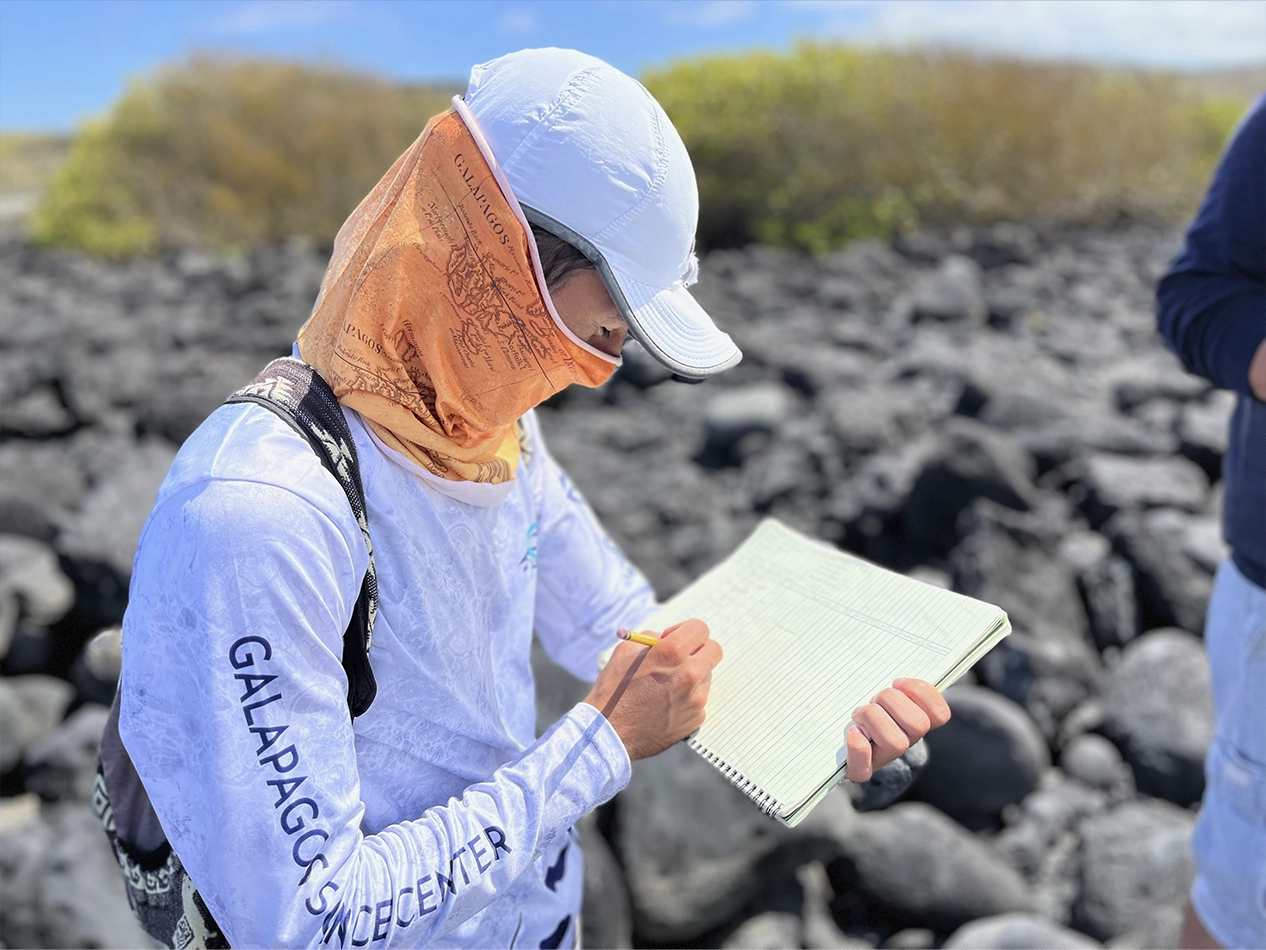
A través del seguimiento sistemático de variables como biodiversidad, dinámica de vegetación, calidad del agua, flujos de nutrientes y energía, así como impactos humanos y variables de salud bajo el enfoque One Health, el LTER-WB busca identificar patrones y procesos a distintas escalas, apoyado en tecnología, sensores y sistemas de datos en tiempo real.

Su objetivo es generar evidencia científica robusta que permita anticipar cambios, comprender dinámicas complejas y contribuir a la toma de decisiones para la conservación y gestión sostenible de Galápagos.

In 2022, the Galapagos Science Center (GSC) and the broader UNC & USFQ Galapagos Initiative will celebrate its 10th Anniversary. We are proud to announce the World Summit on Island Sustainability scheduled to be held on June 26–30, 2022 at the Galapagos Science Center and the Community Convention Center on San Cristobal Island.

The content of the World Summit will be distributed globally through social media and results documented through papers published in a book written as part of the Galapagos Book Series by Springer Nature and edited by Steve Walsh (UNC) & Carlos Mena (USFQ) as well as Jill Stewart (UNC) and Juan Pablo Muñoz (GSC/USC). The book will be inclusive and accessible by the broader island community including scientists, managers, residents, tourists, and government and non-government organizations.

While the most obvious goal of organizing the World Summit on Island Sustainability is to celebrate the 10th Anniversary of the GSC and the UNC-USFQ Galapagos Initiative, other goals will be addressed through special opportunities created as part of our operational planning of the World Summit.

For instance, we seek to elevate and highlight the Galapagos in the island conservation discourse, seeking to interact with other island networks in more obvious and conspicuous ways to benefit the Galapagos Islands, the UNC-USFQ Galapagos Initiative, and the world. We will seize the opportunity to further develop the I2N2 – International Islands Network-of-Networks. Further, we wish to highlight and emphasize multiple visions of a sustainable future for the Galapagos Islands and we cannot do this alone. Therefore, engaging the Ecuadorian Ministry of Environment, the Ministry of Tourism, the Government Council of Galapagos, the Galapagos National Park, and local Galapagos authorities, including government and non-government organizations and local citizen groups, is imperative.

The Galapagos Science Center on San Cristobal Island, Galapagos

Borrowing from Hawaii’s and Guam’s Green Growth Program and the Global Island Partnership, we wish to examine existing global programs that emphasize island sustainability and their incorporation into life, policies, and circumstances in the Galapagos Islands. We will also seek to enhance our connections with the institutional members of our International Galapagos Science Consortium and expand the Consortium through the recruitment of other member institutions. We will also work to benefit islands and their local communities by working with citizen groups as well as important NGOs who seek to improve the natural conditions in the Galapagos and diminish the impact of the human dimension on the future of Galapagos’ ecosystems.

Lastly, we will use the World Summit to benefit UNC & USFQ and our constituencies through a strong and vibrant communication plan about the World Summit, creating corporate relationships as sponsors, identifying funding goals through donors, and benefiting our study abroad program for student engagement in the Galapagos Islands. We plan to develop and issue a Galapagos Sustainability Communique after the World Summit that includes the vision and insights of all its participants for a sustainable Galapagos with applicability to global island settings.

We are eager to hear your perspective and have you join us at the World Summit on Island Sustainability!