


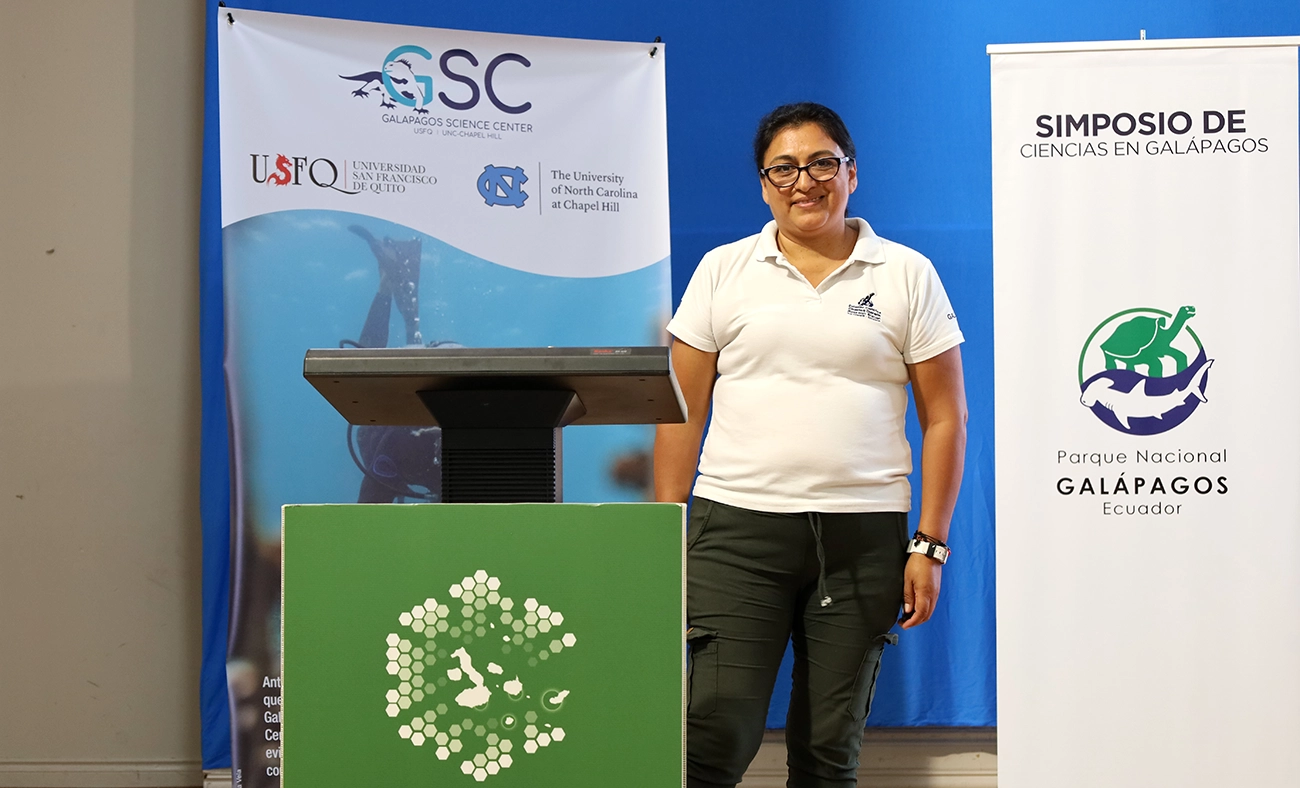
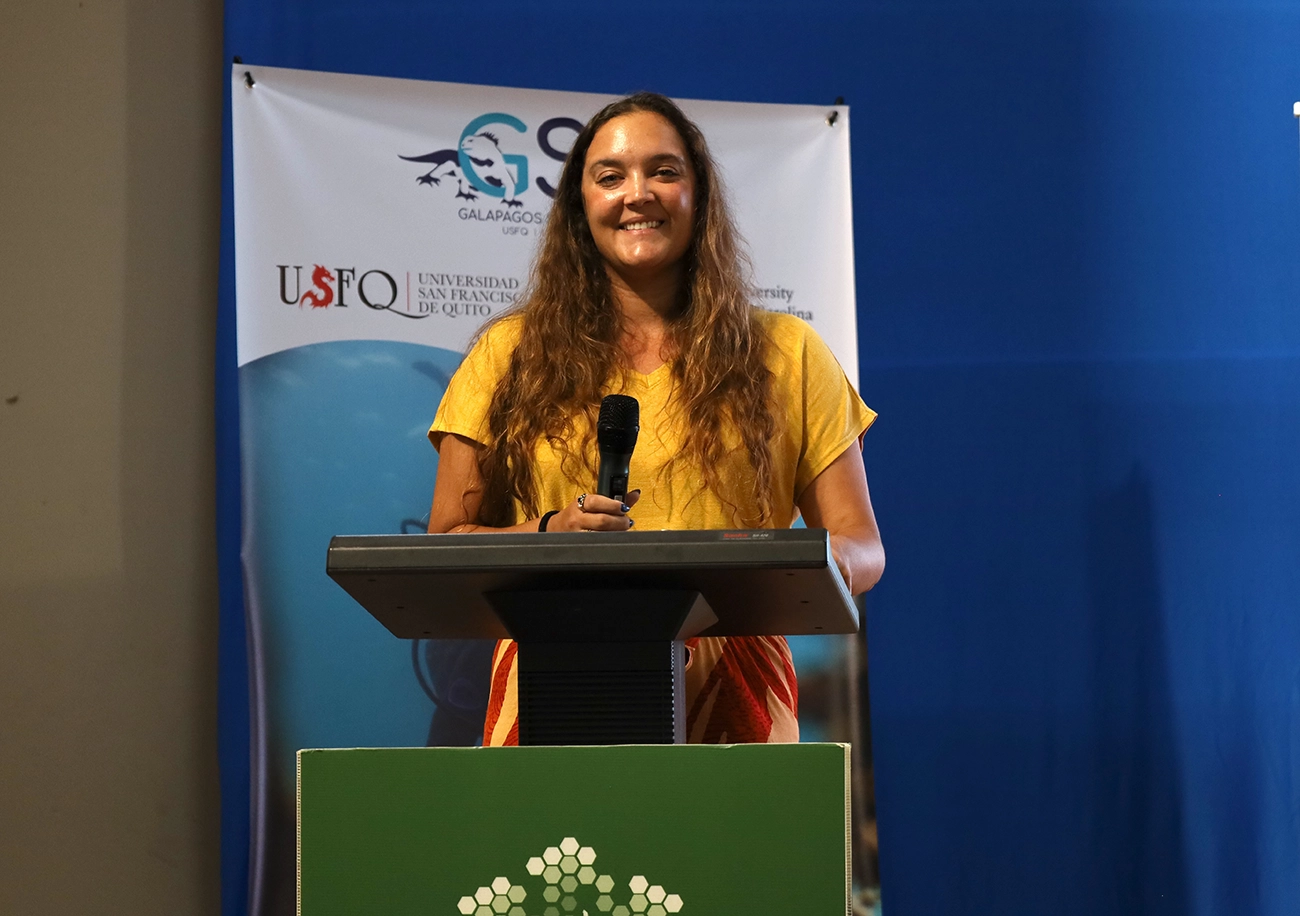
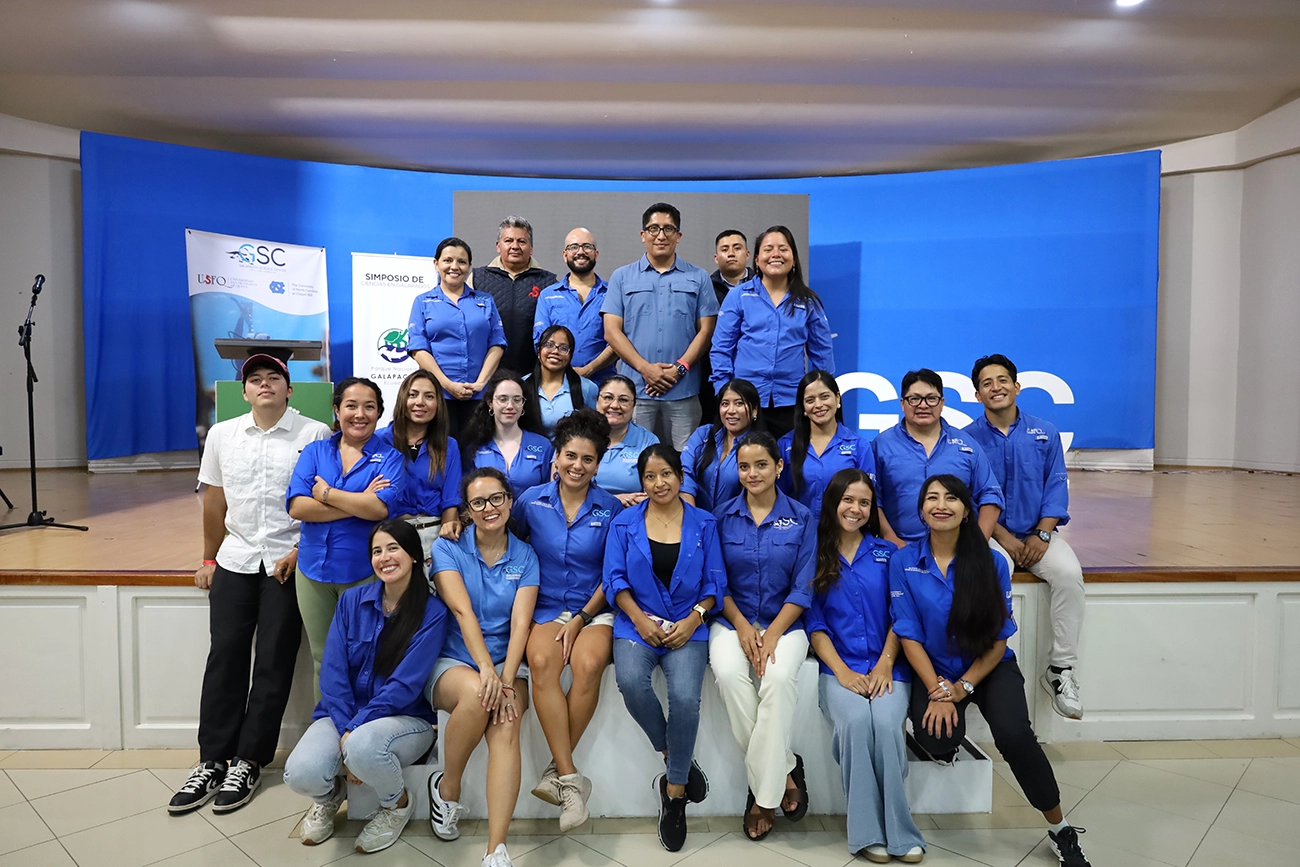
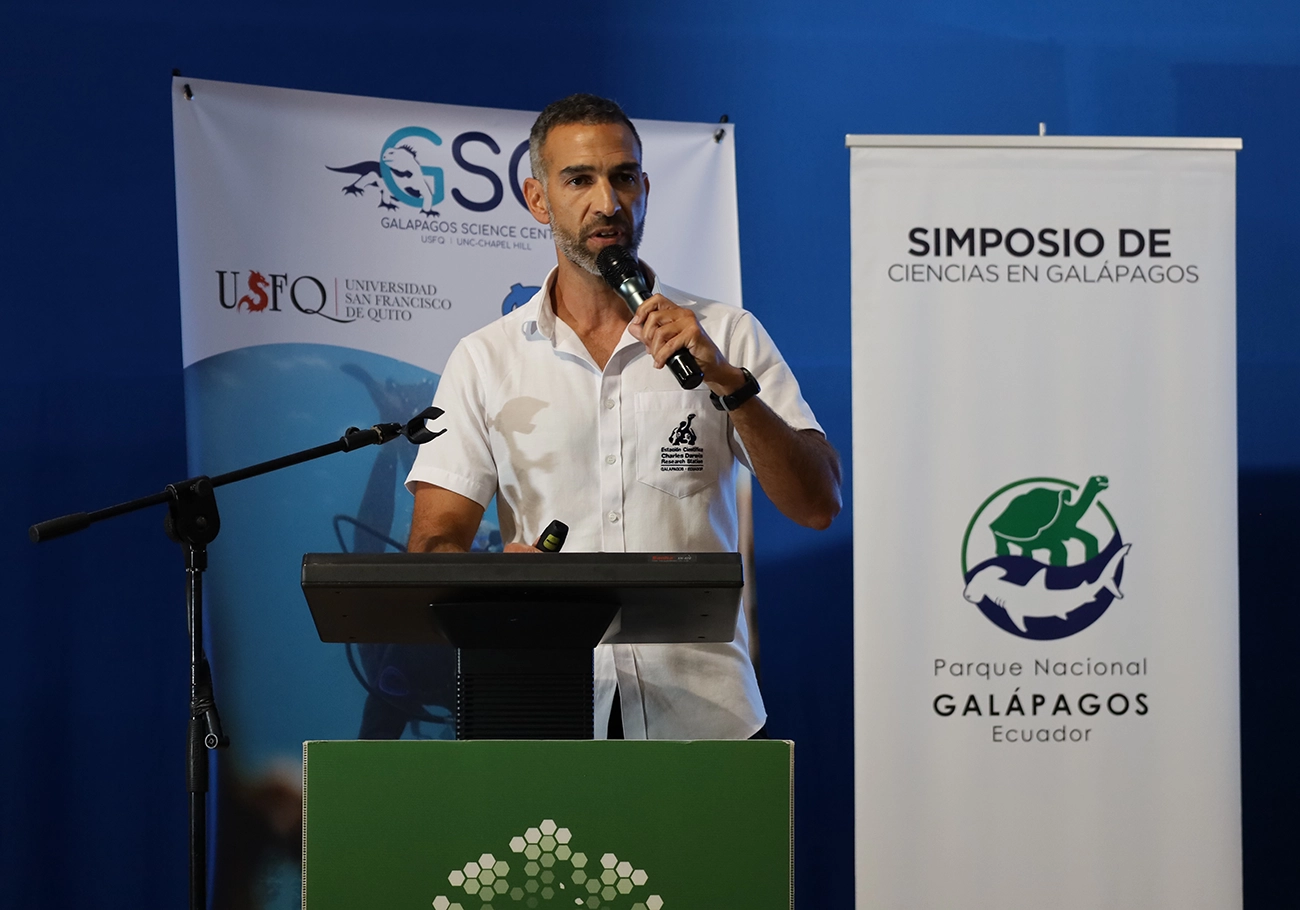
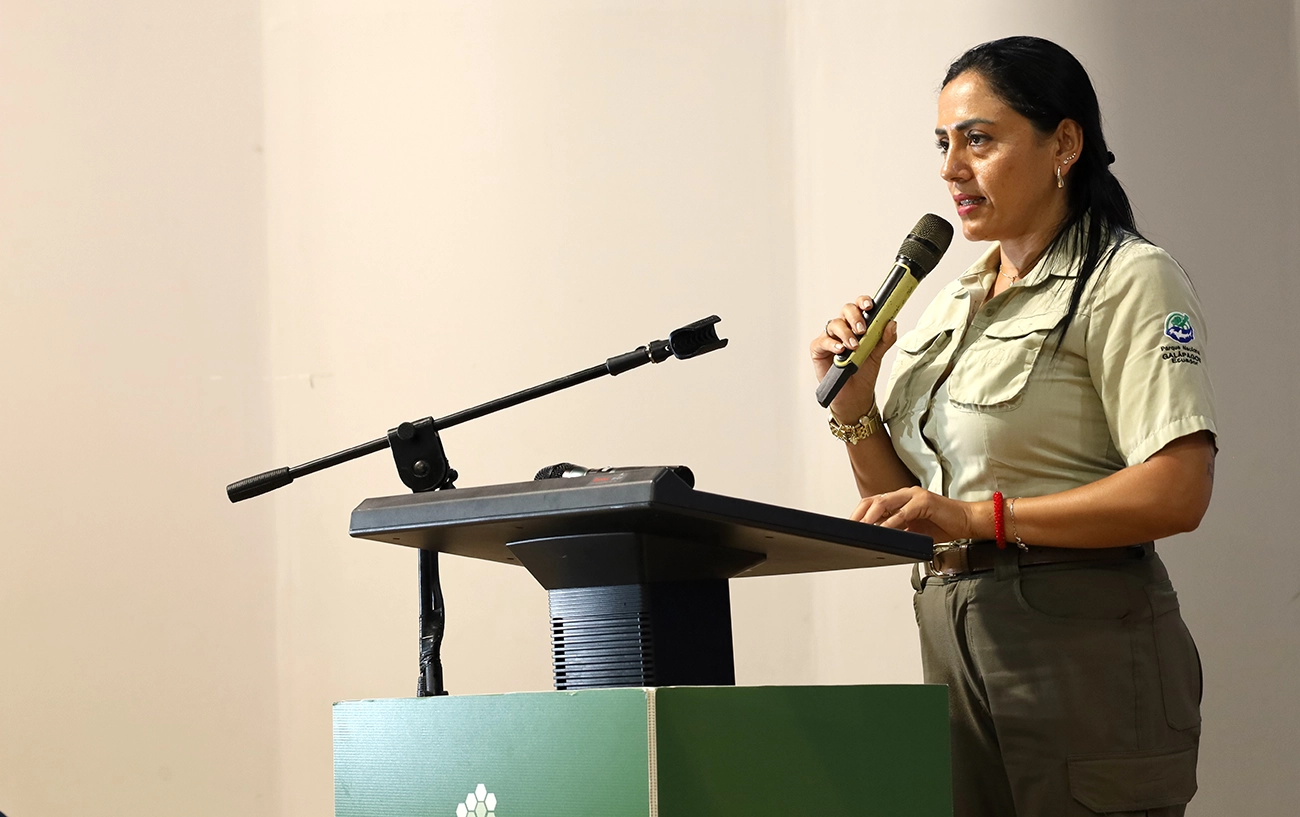
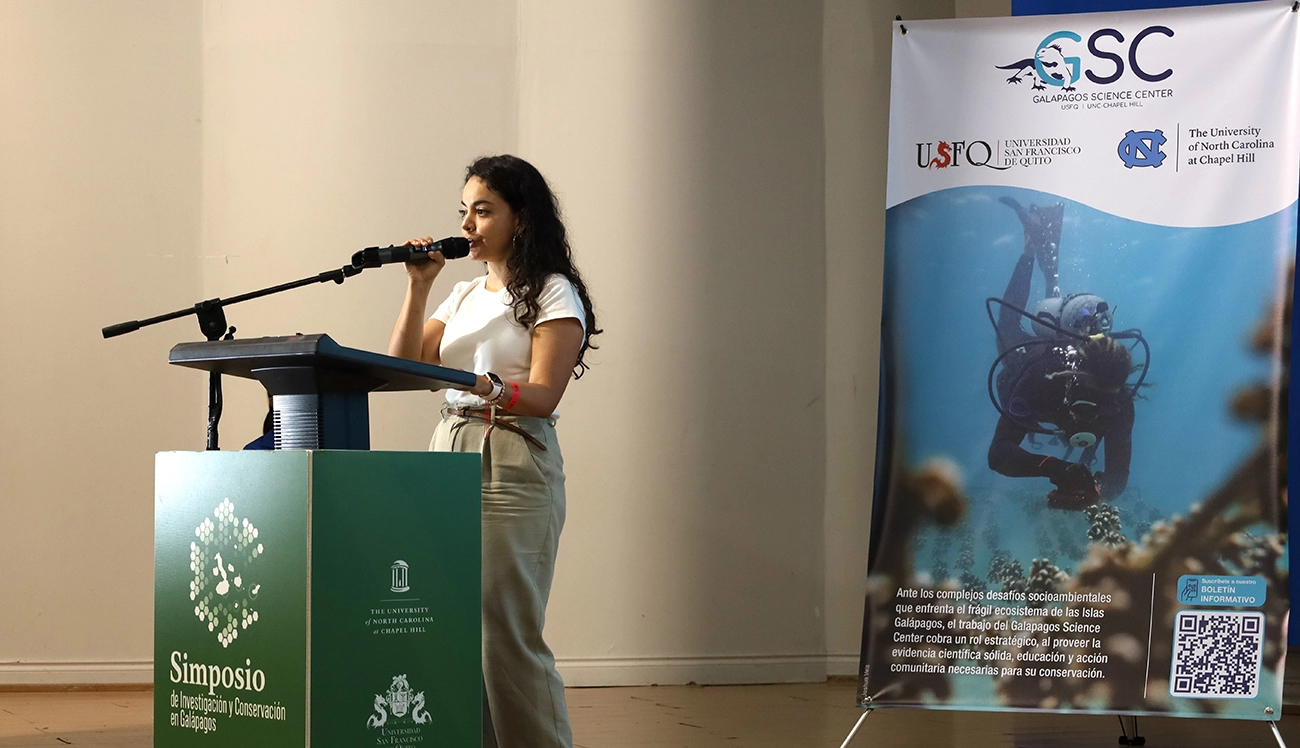
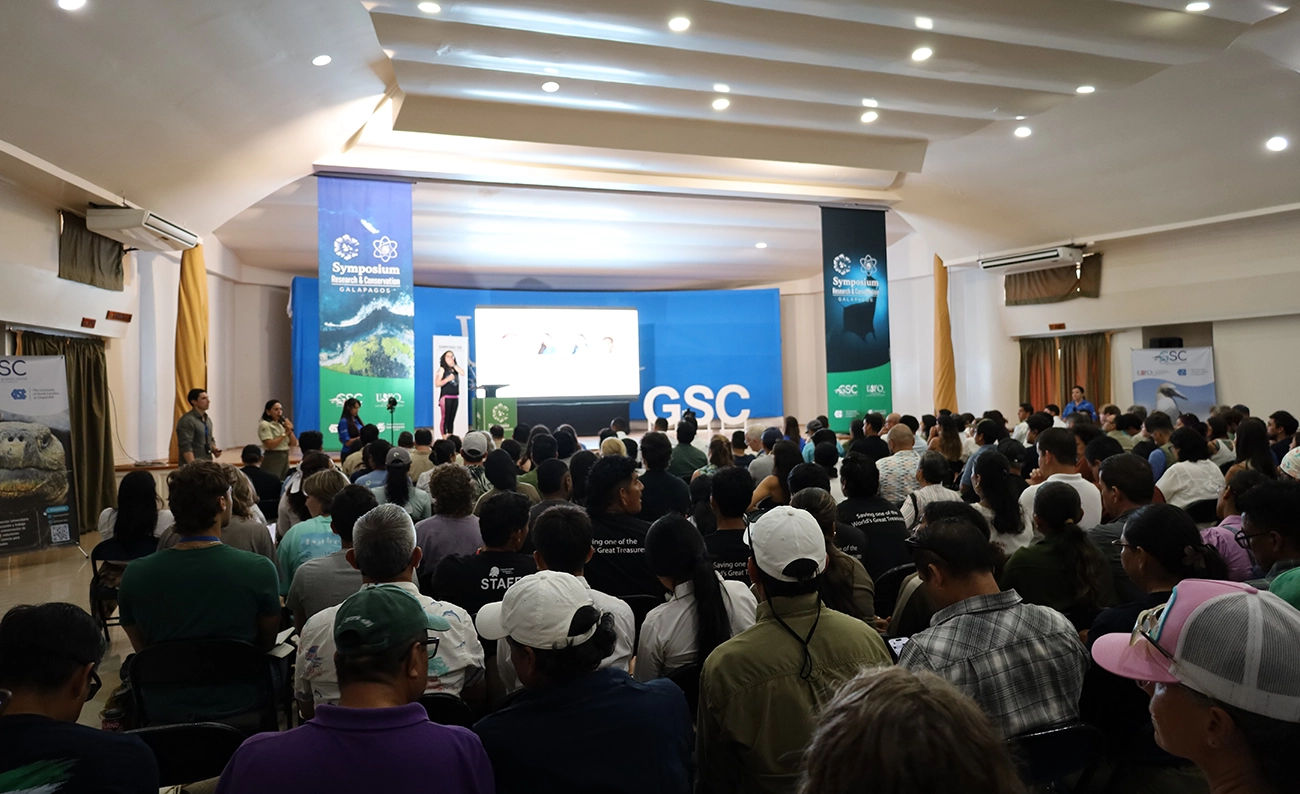
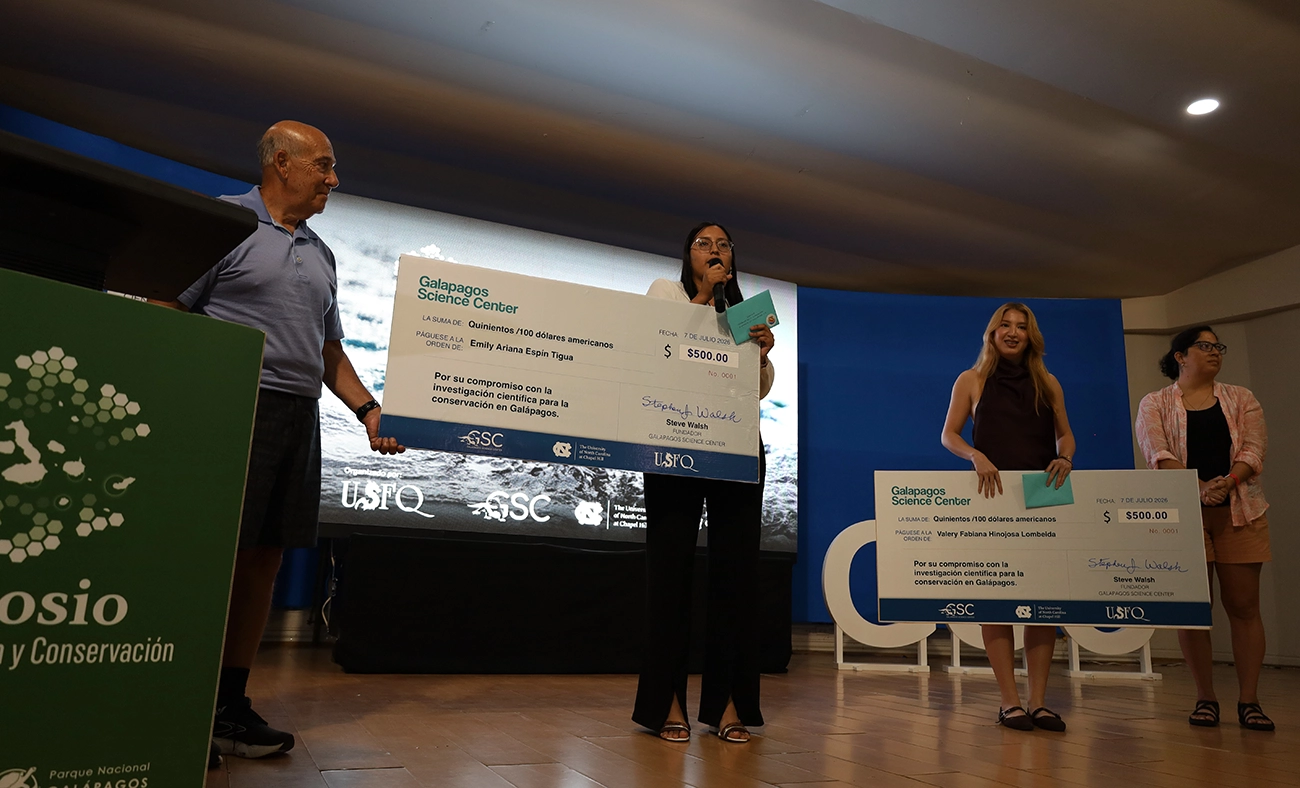
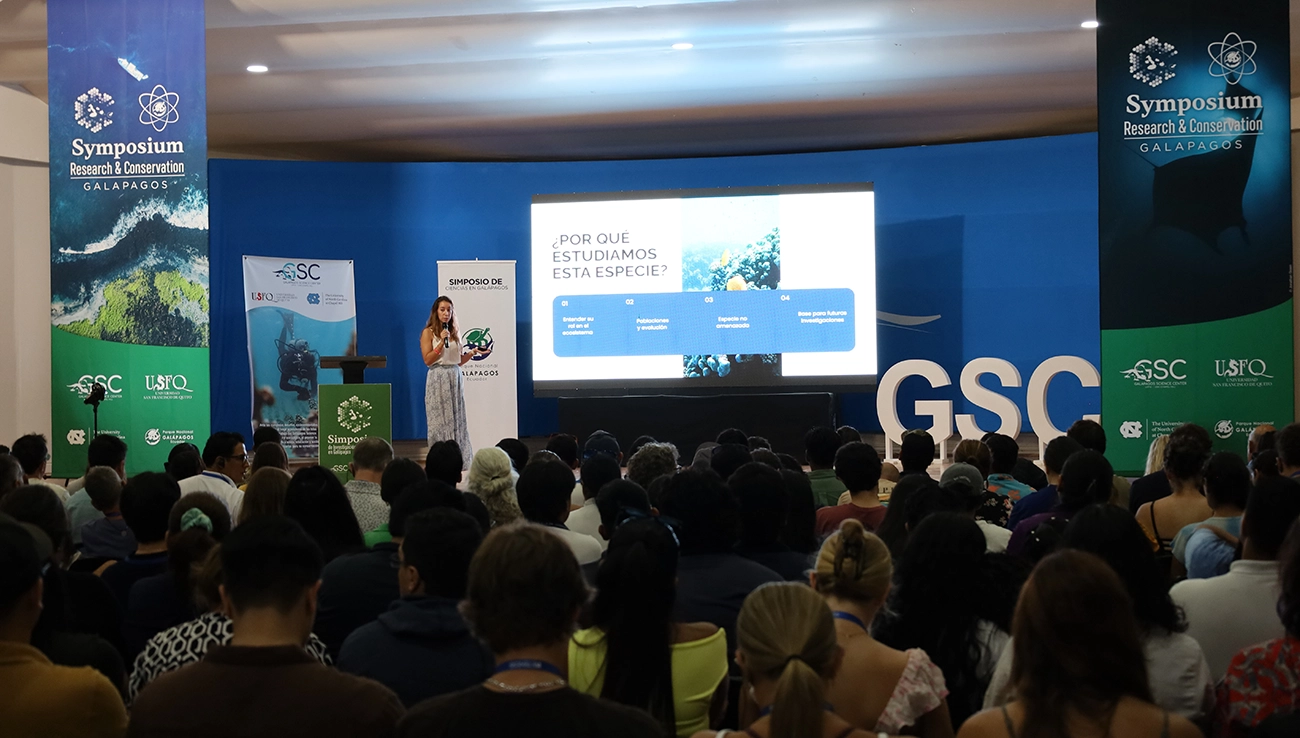
The 8th Galapagos Research and Conservation Symposium will take place on July 6 and 7, 2026, at the Charles Darwin Convention Center on San Cristóbal Island. Co-organized by the Galapagos Science Center (GSC), the University of North Carolina at Chapel Hill, the Universidad San Francisco de Quito, and the Galapagos National Park Directorate, this is the region’s most prominent scientific gathering. Its core mission is to foster a dynamic exchange of knowledge regarding current findings and key methodologies essential for preserving the archipelago.
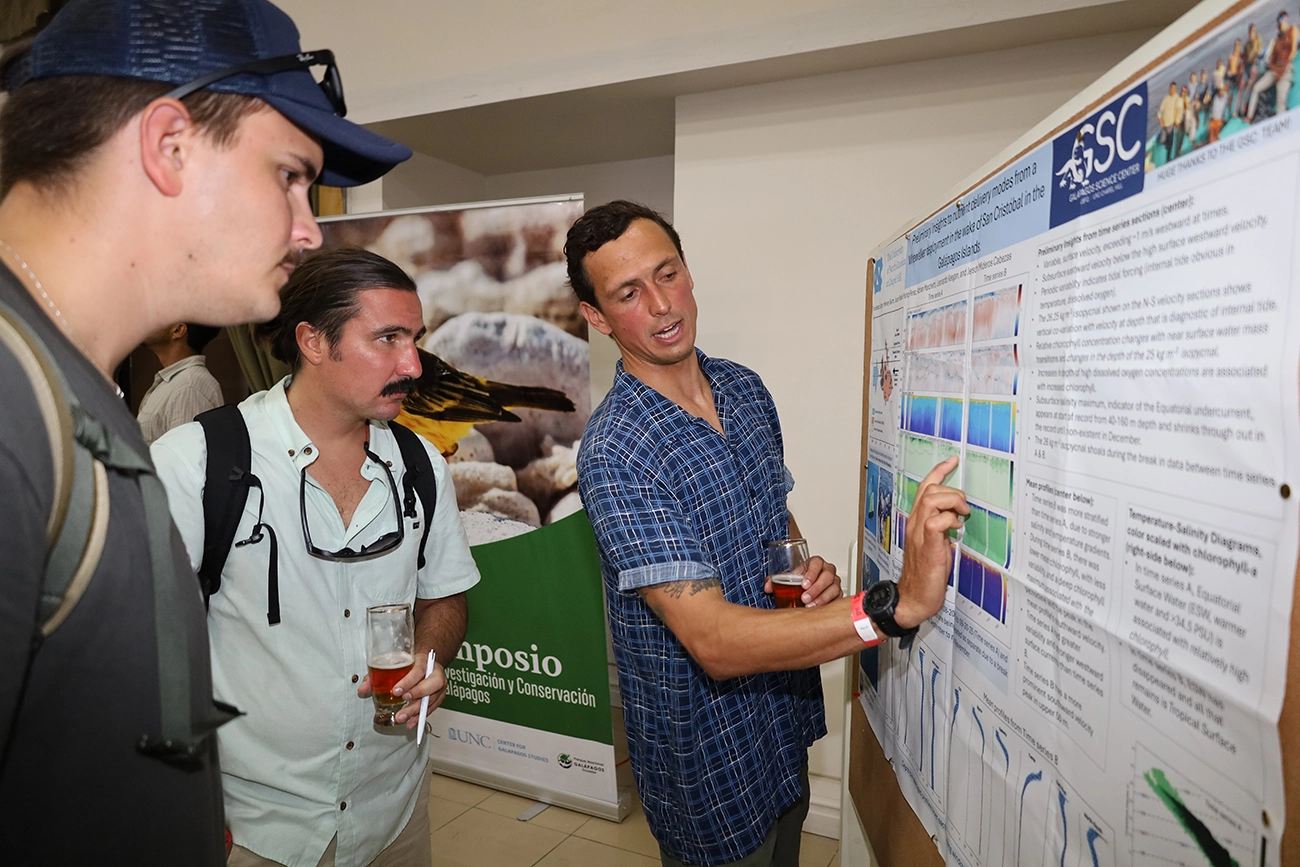
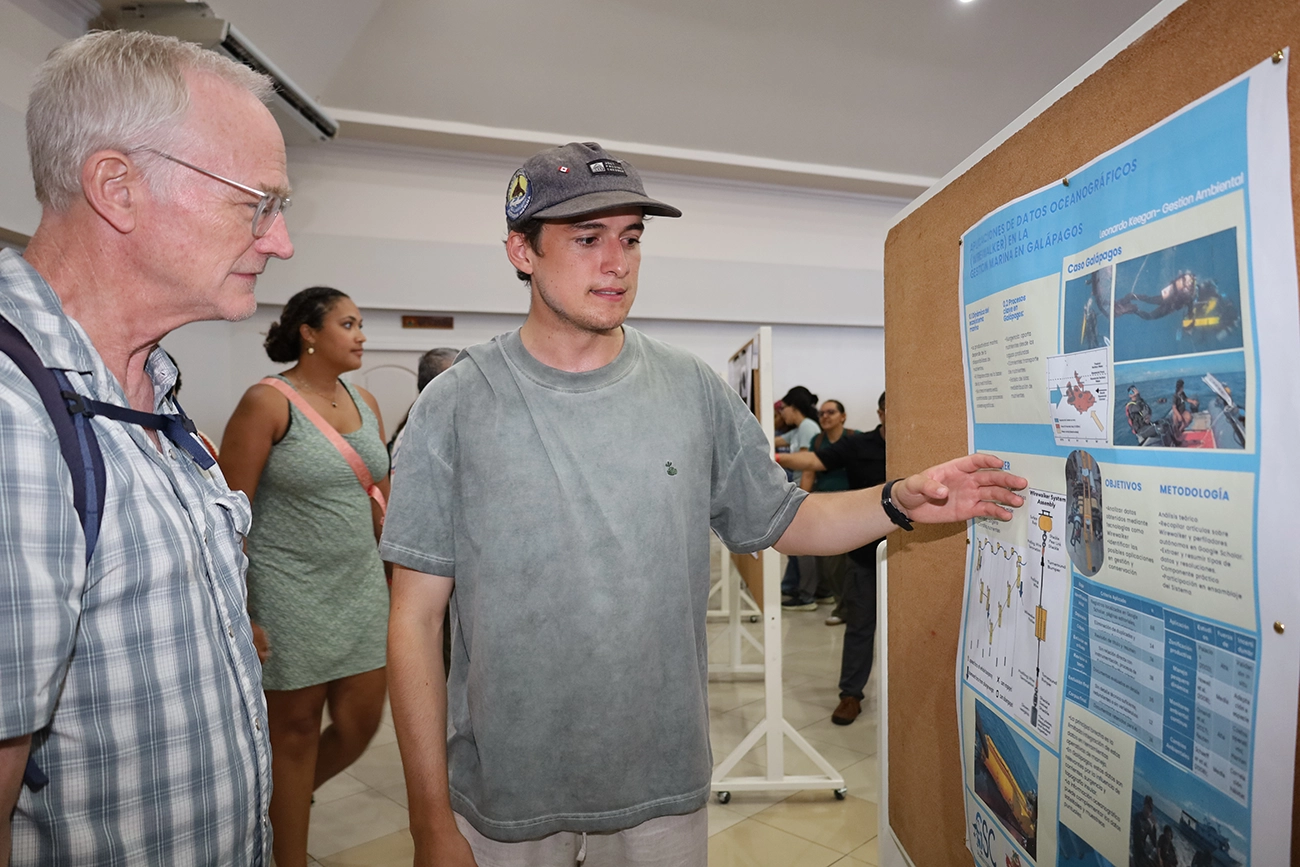
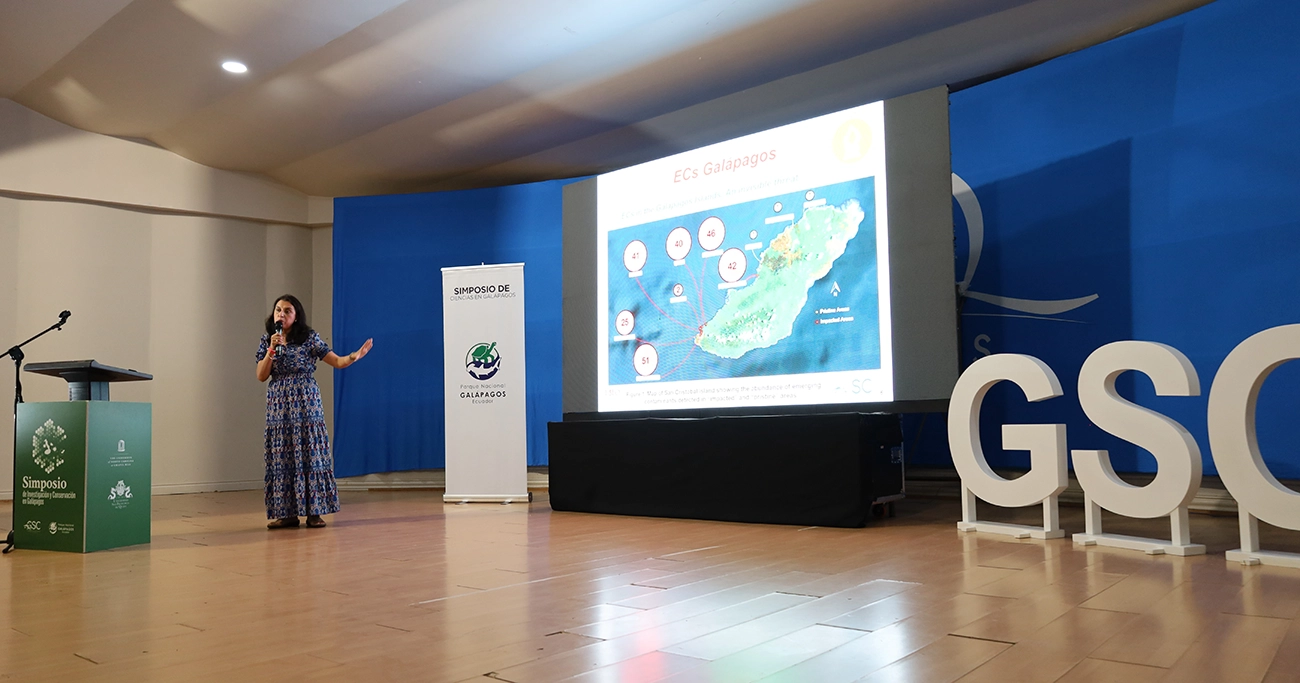
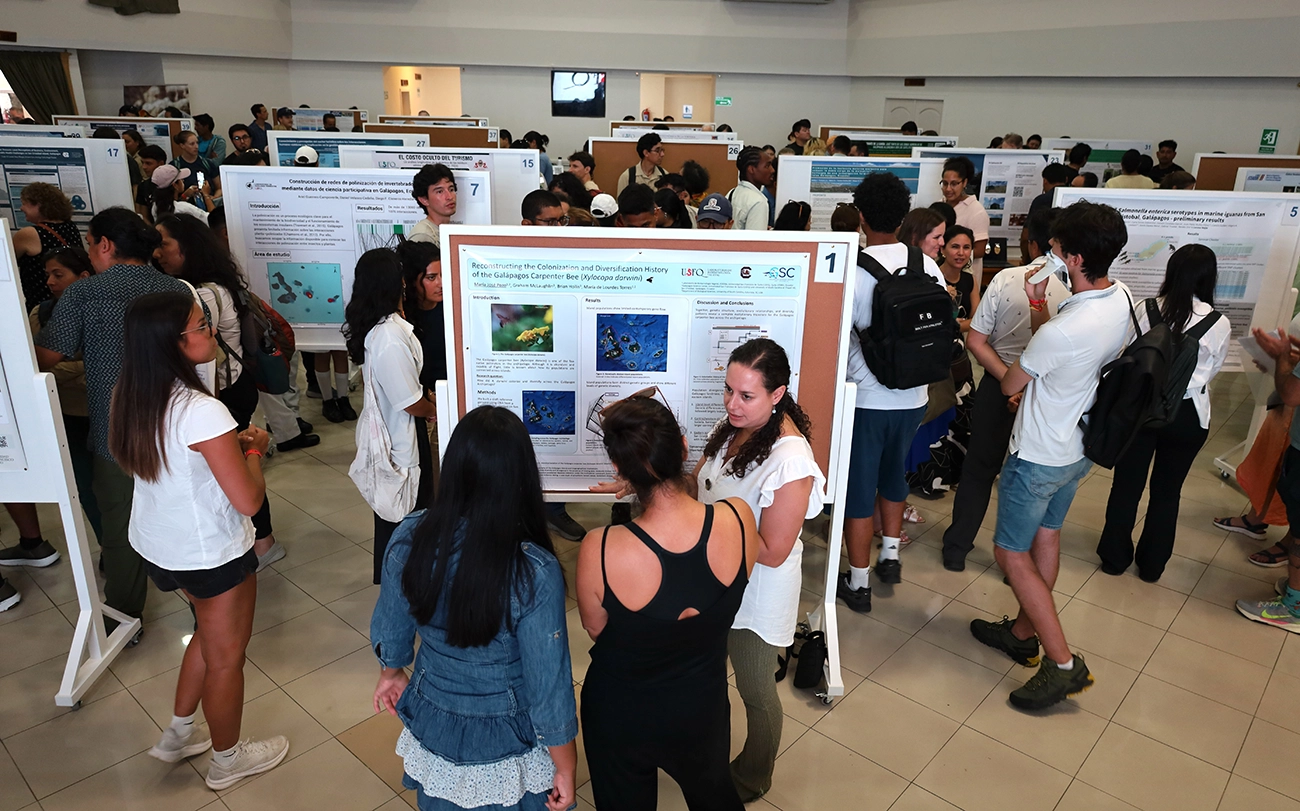
Featuring more than 40 live presentations and an interactive poster session, active researchers will showcase groundbreaking projects in vital areas such as conservation, environmental change, biodiversity, oceans, community engagement, and local public health. Furthermore, the symposium aims to actively integrate the local community and generate science-based tools to support decision-making for local authorities.
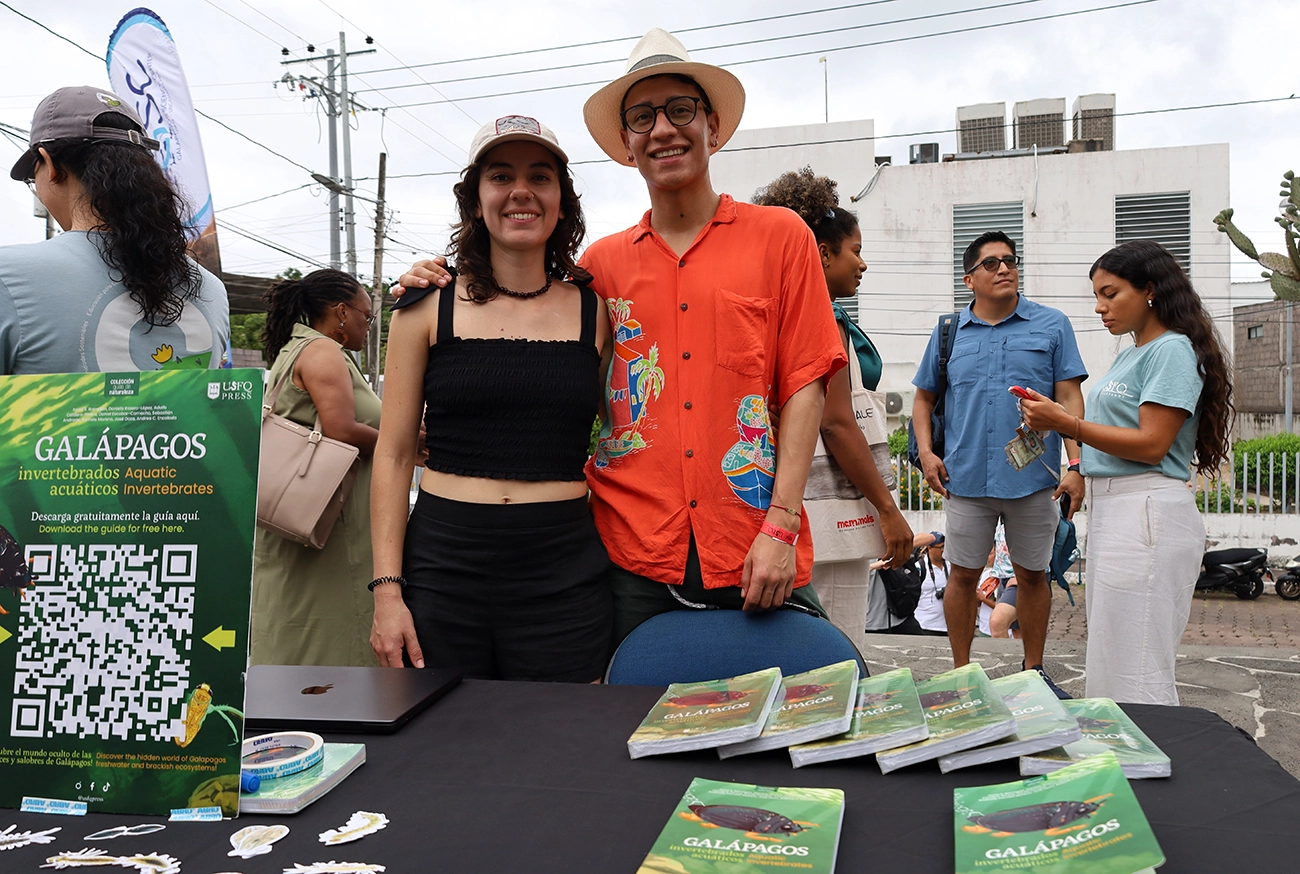
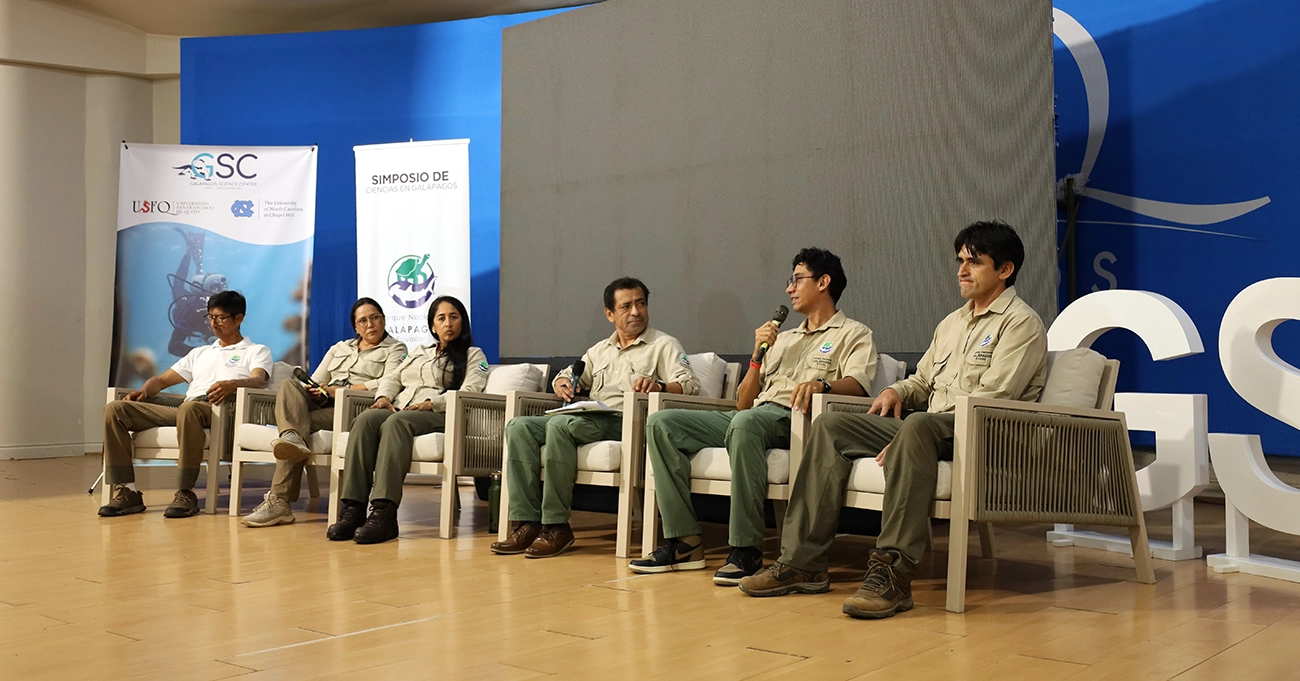
The event will also feature two special commemorative highlights: the 15th anniversary of the GSC, showcasing strategic management plans and species identification field guides, and the 67th anniversary of the Galapagos National Park, celebrated through the inspiring panel discussion, “The Park Ranger Experience.”
Symposium 2026
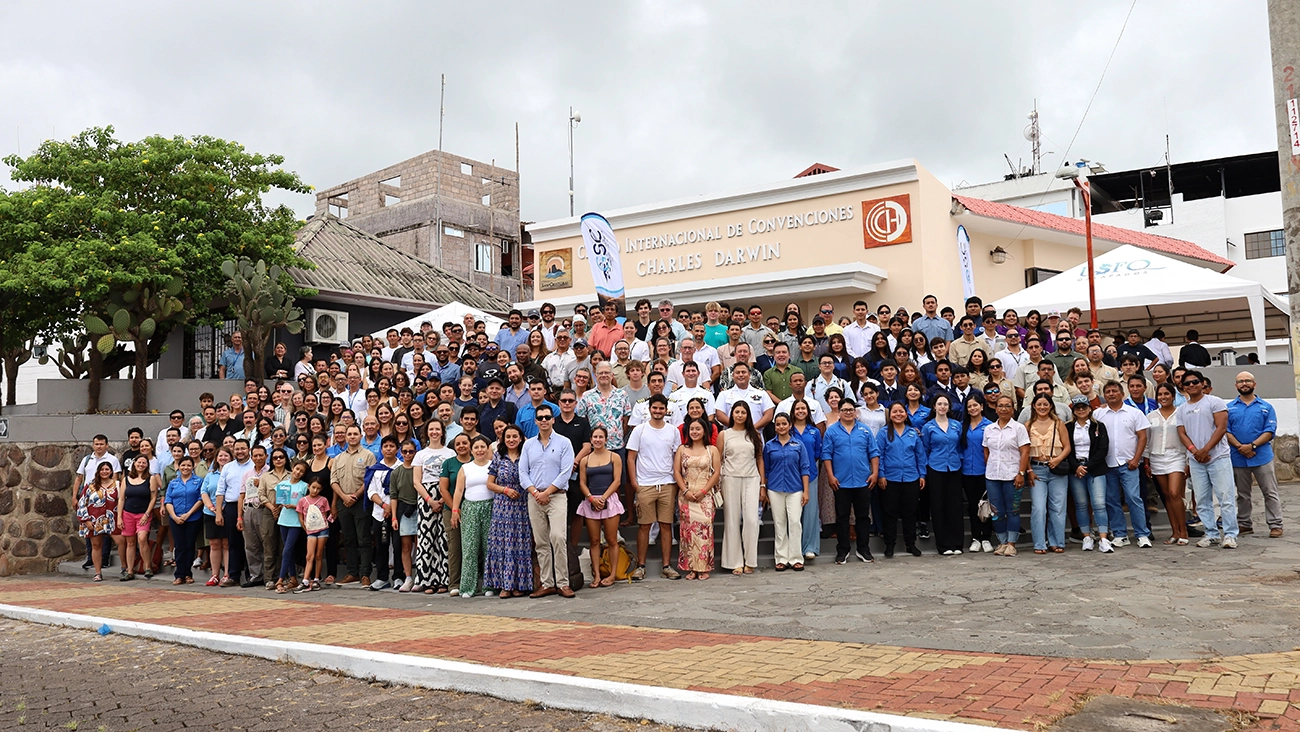
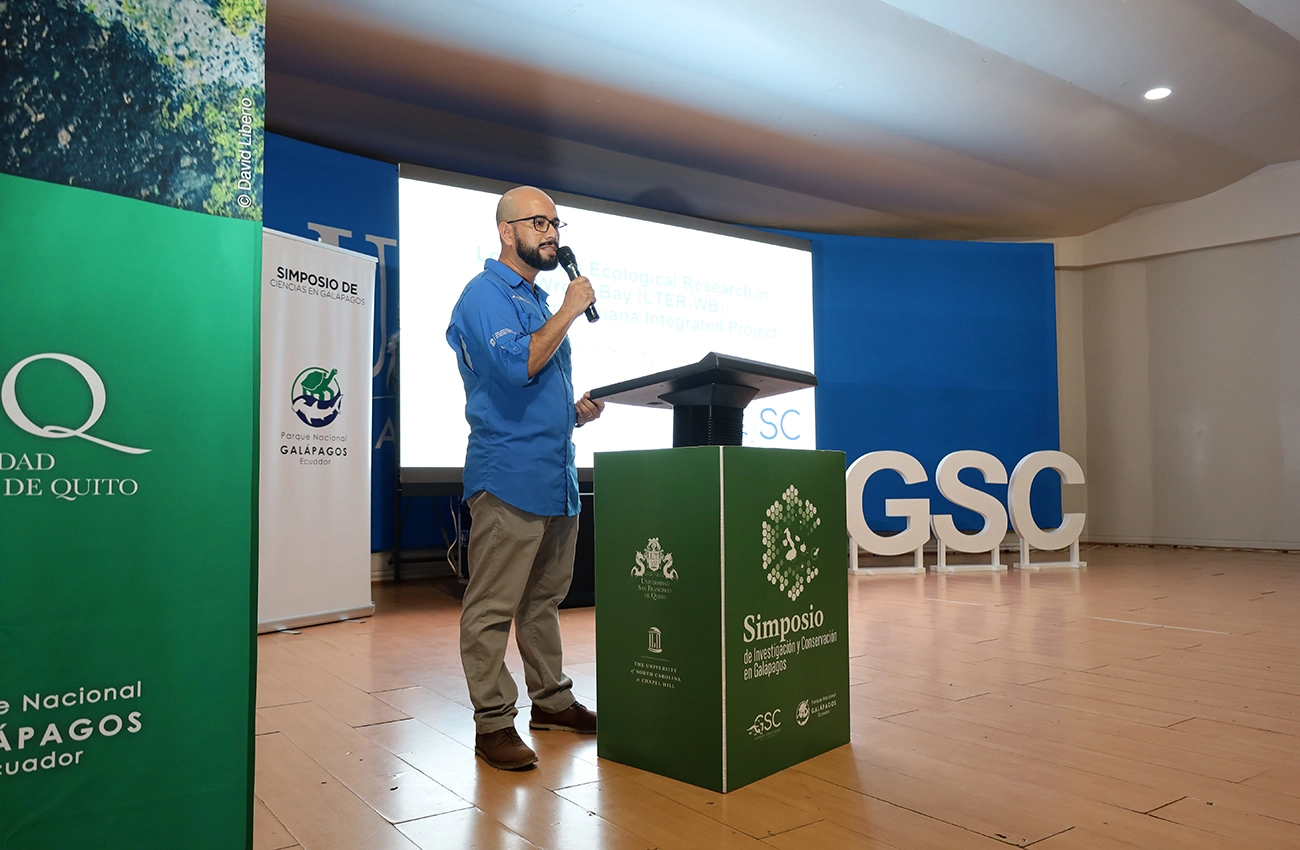
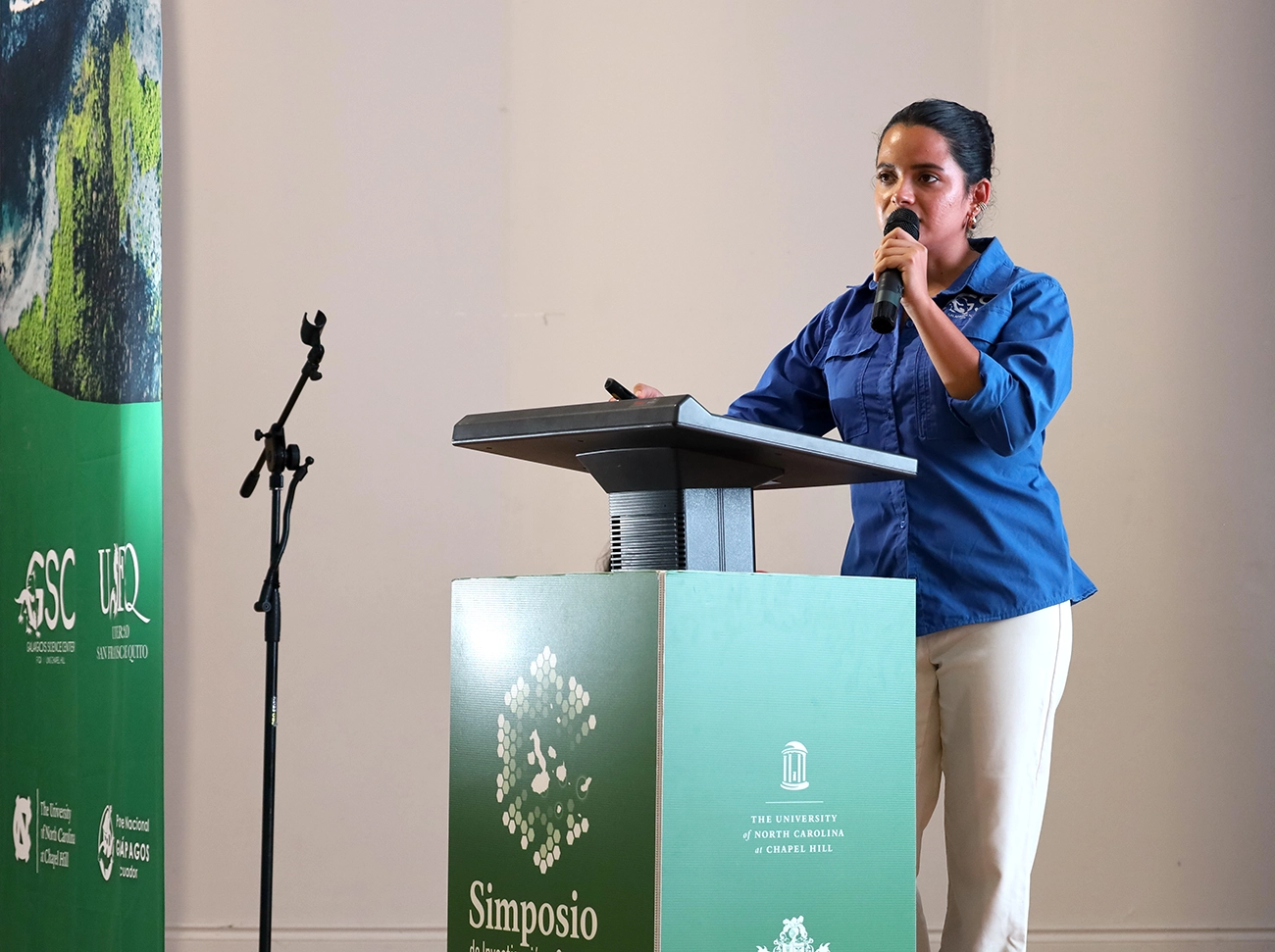
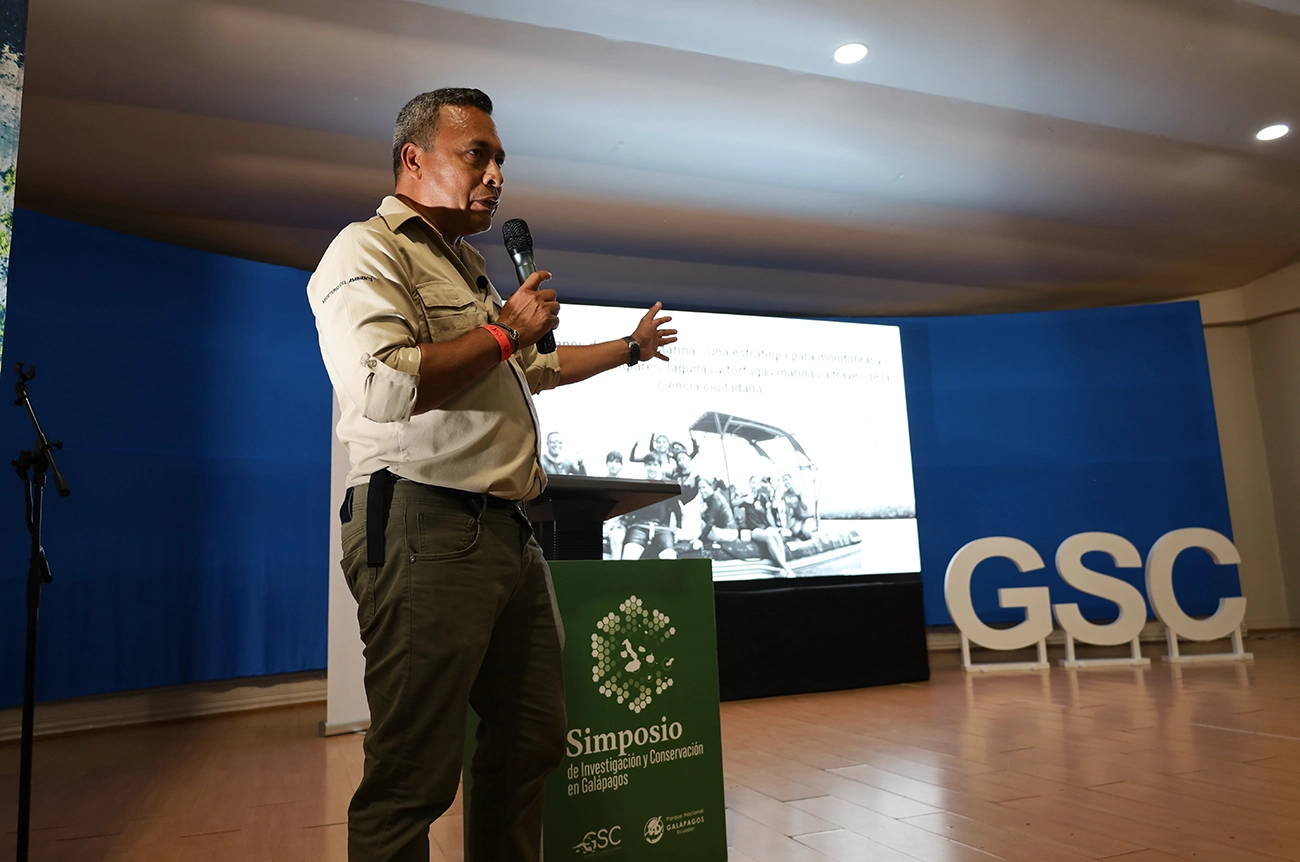
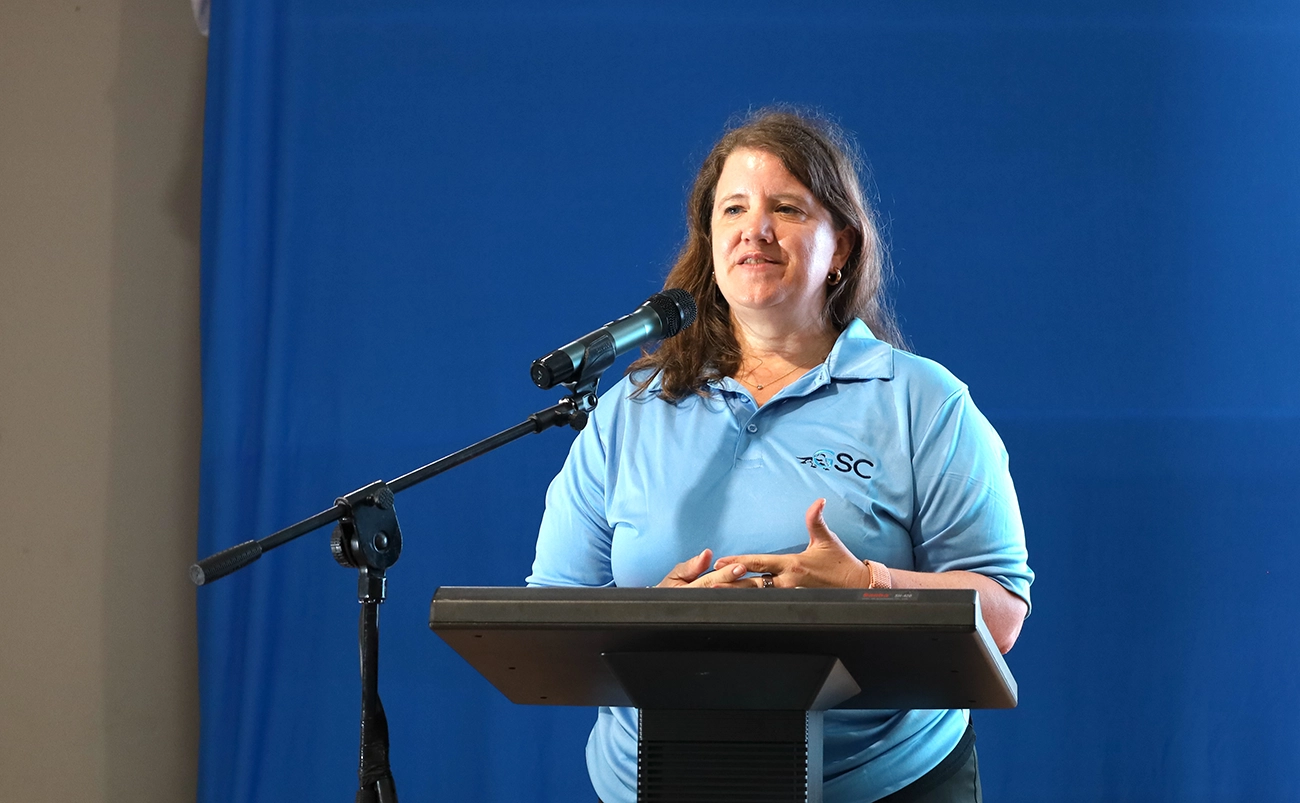
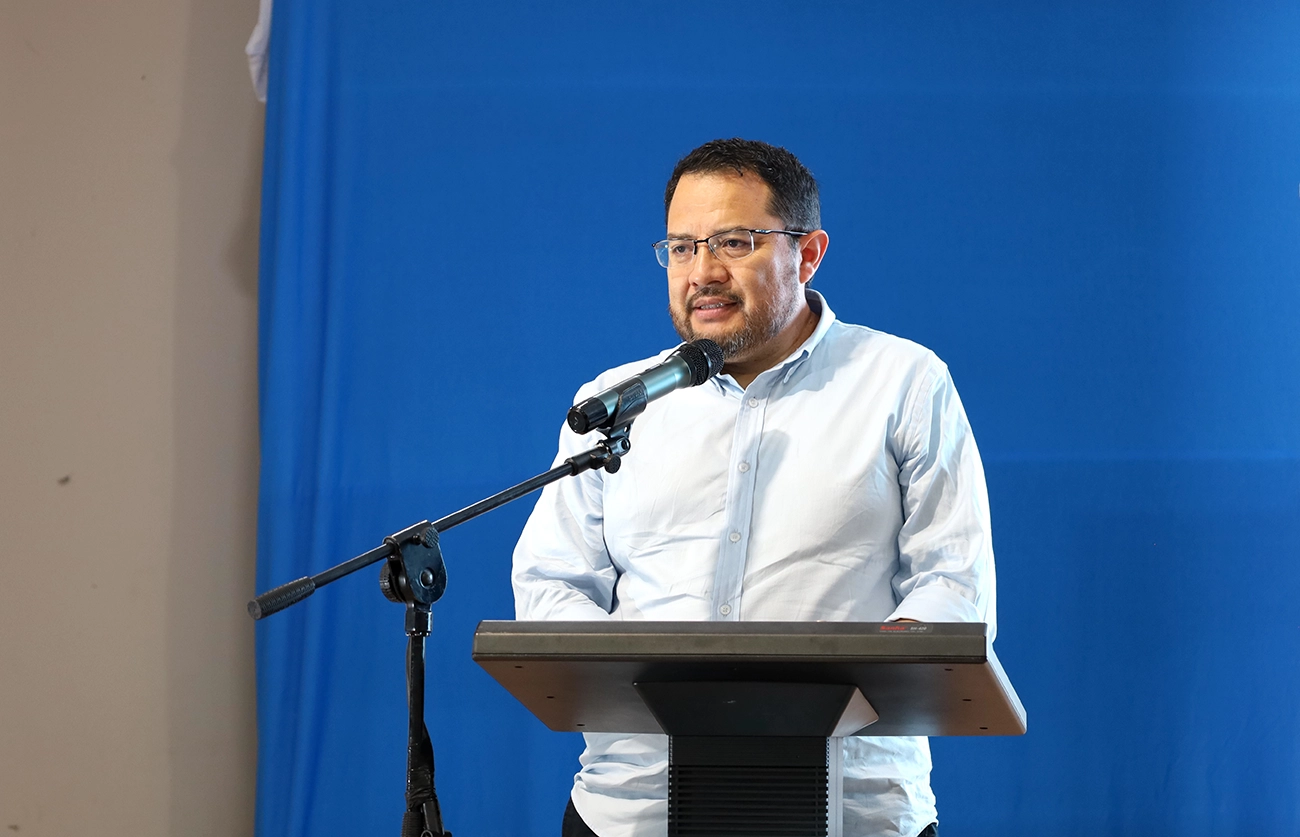
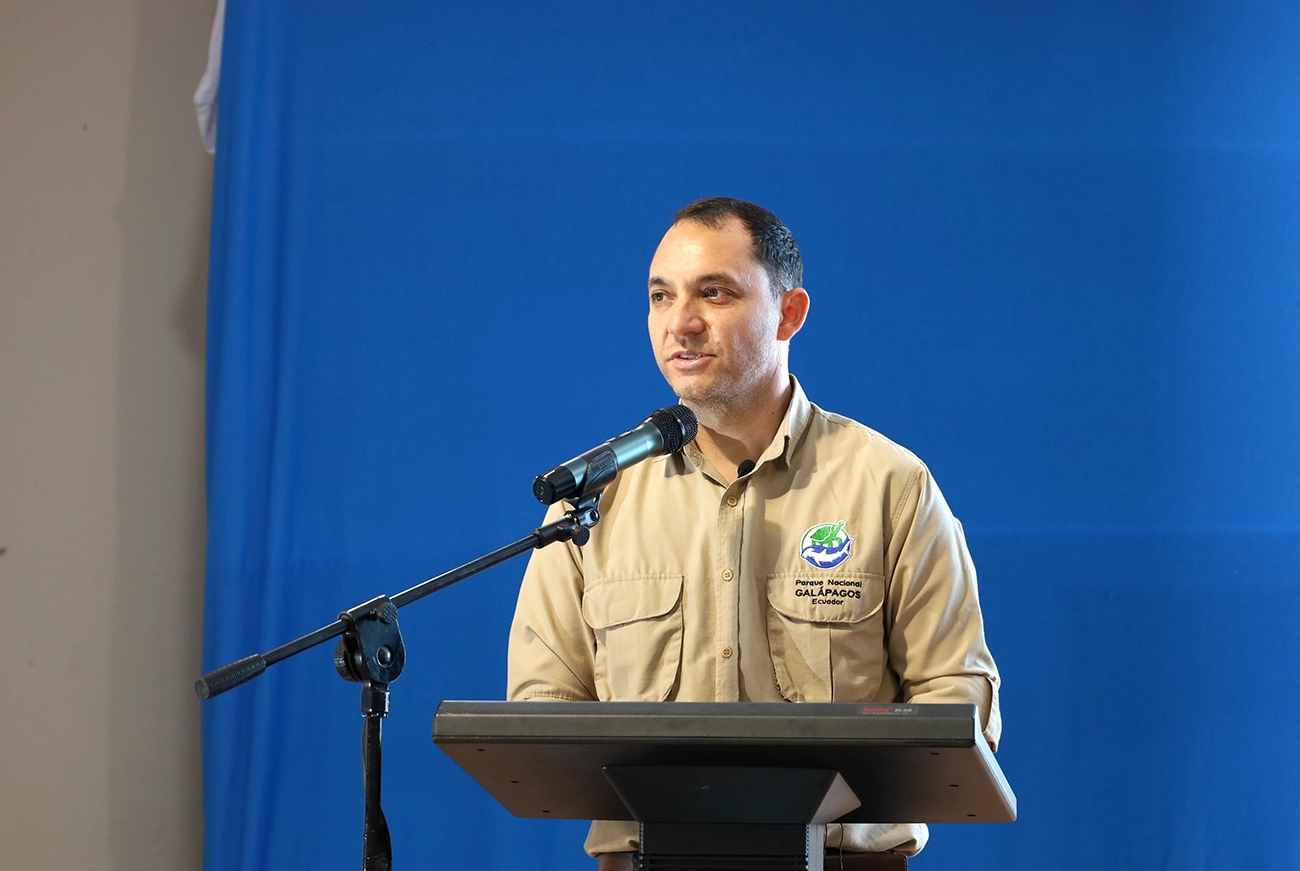
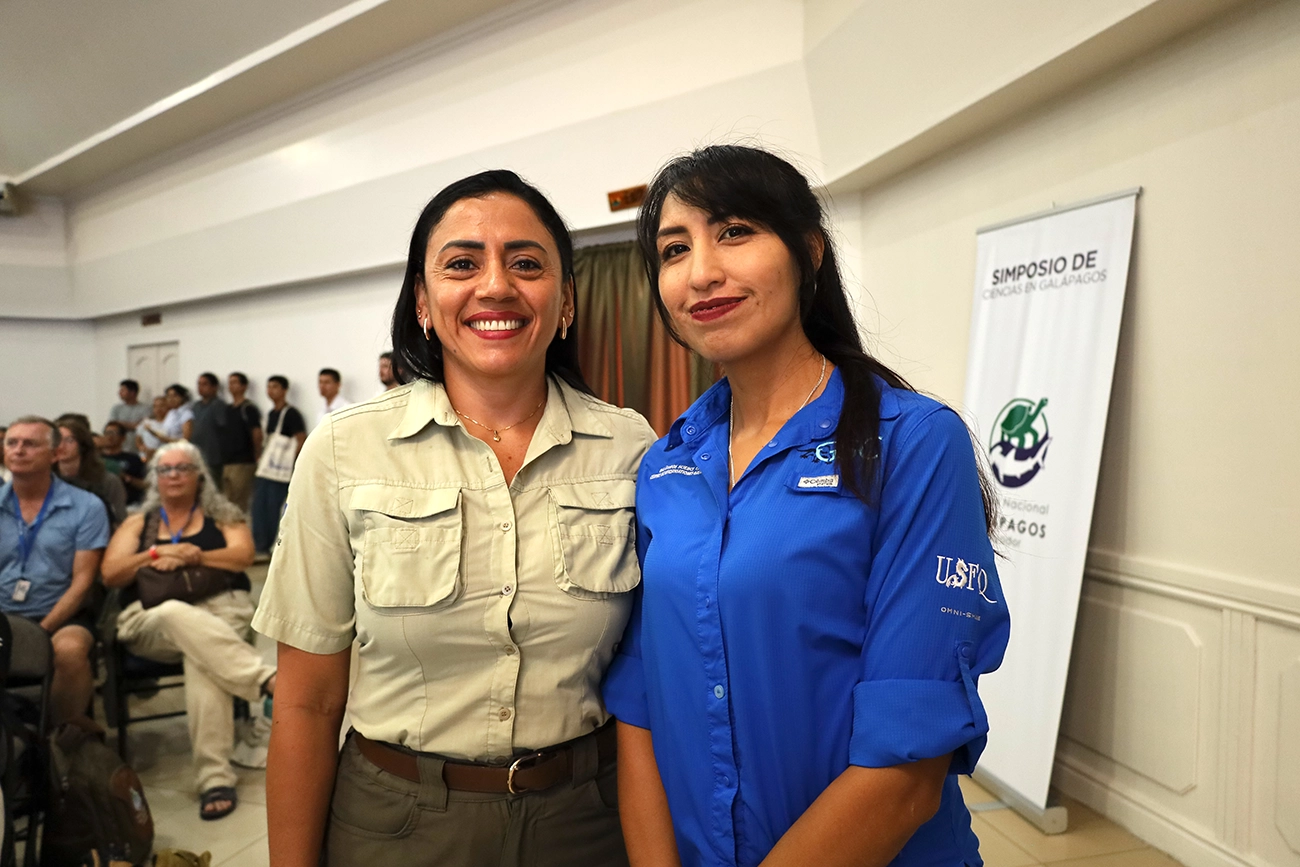
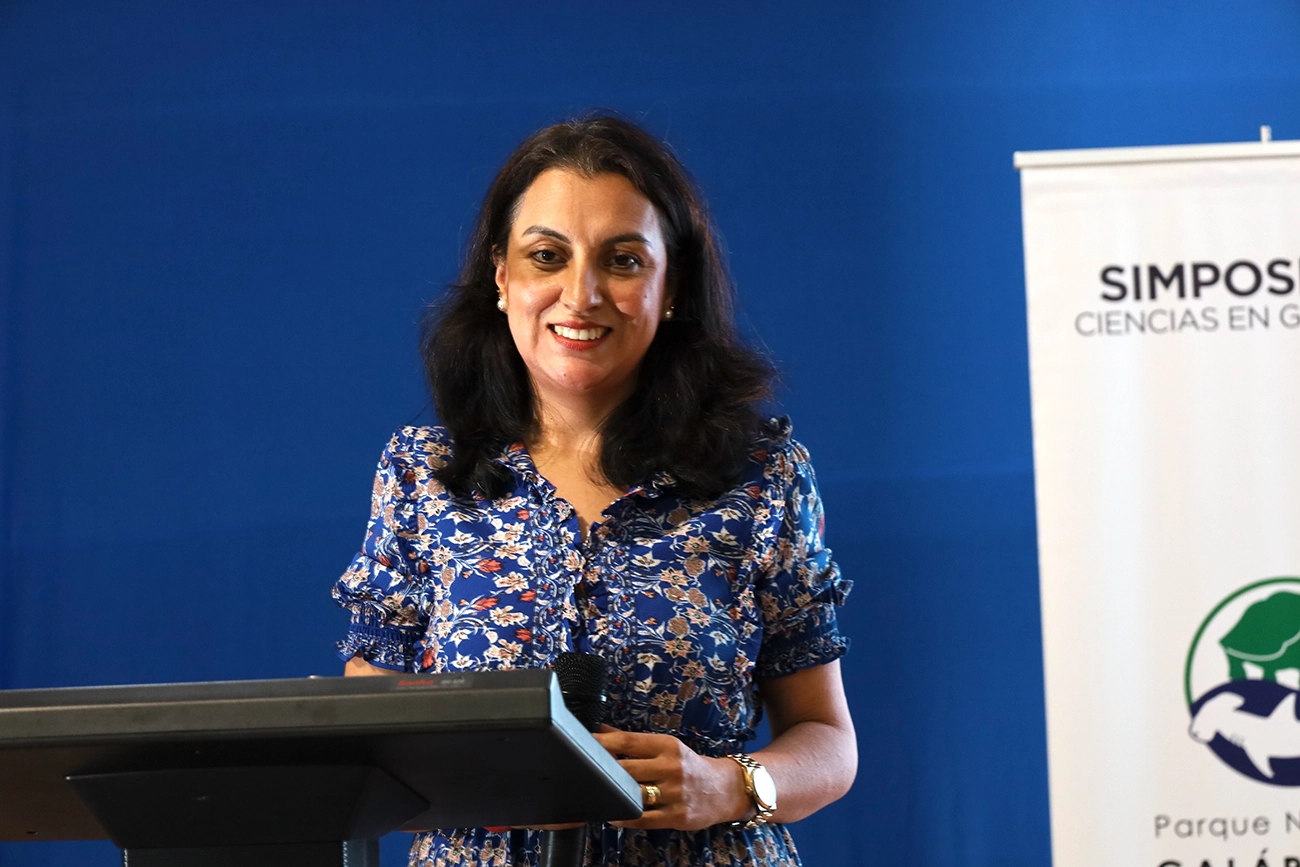
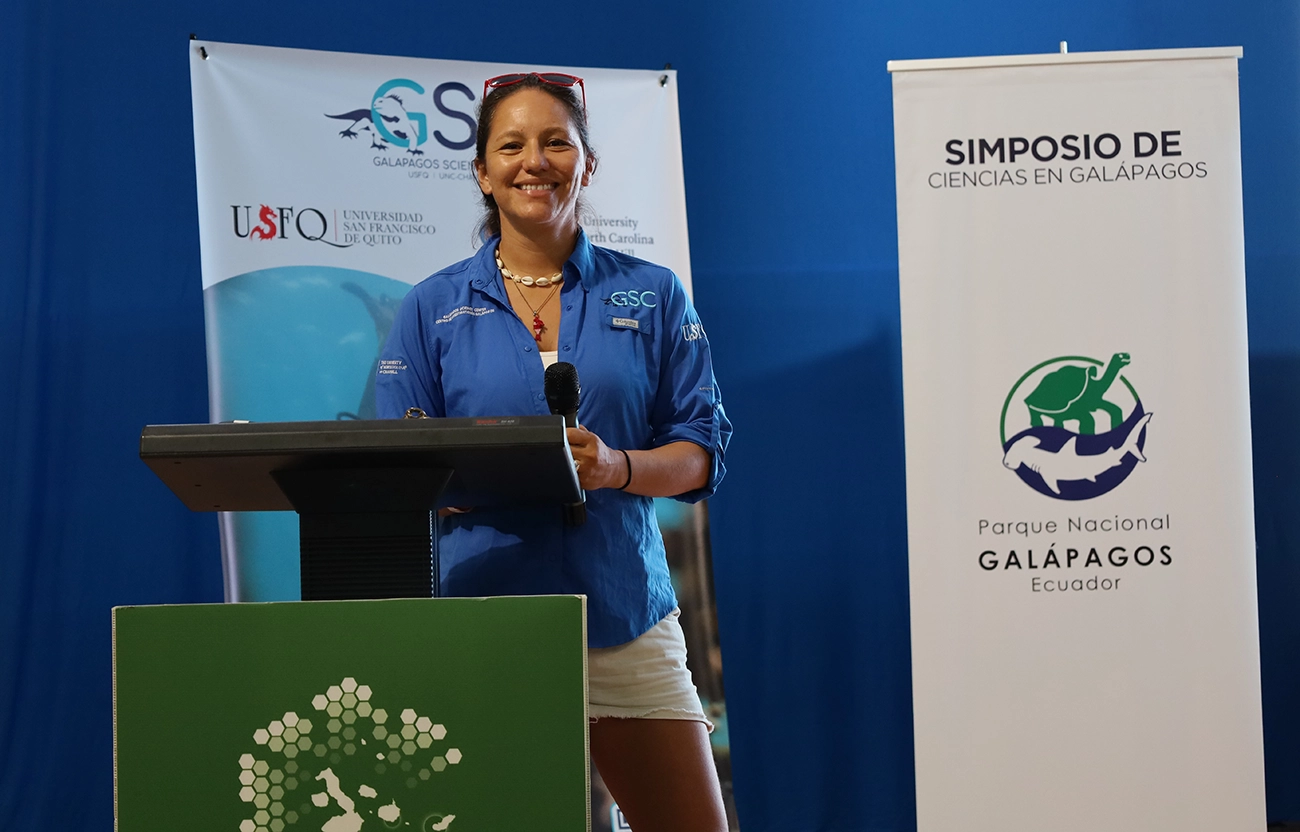
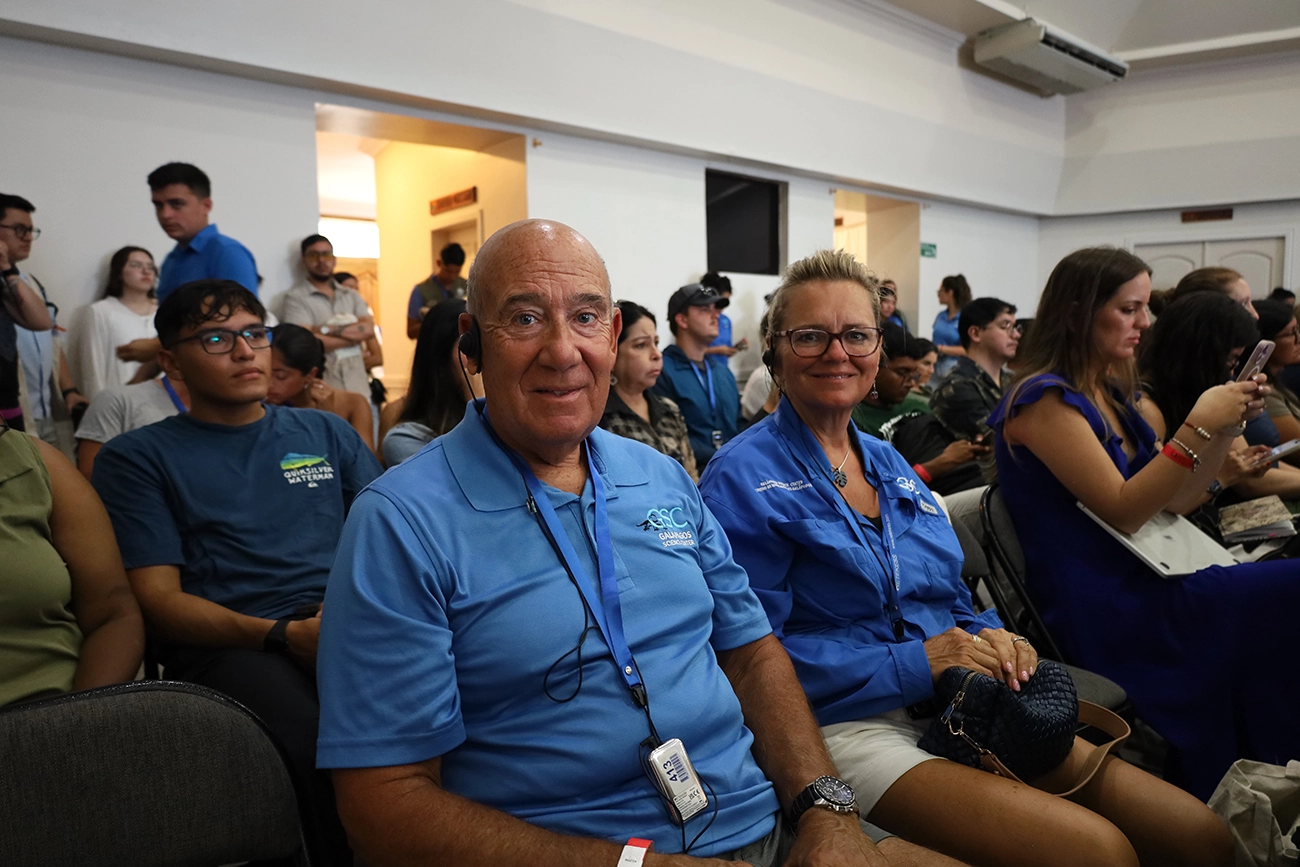
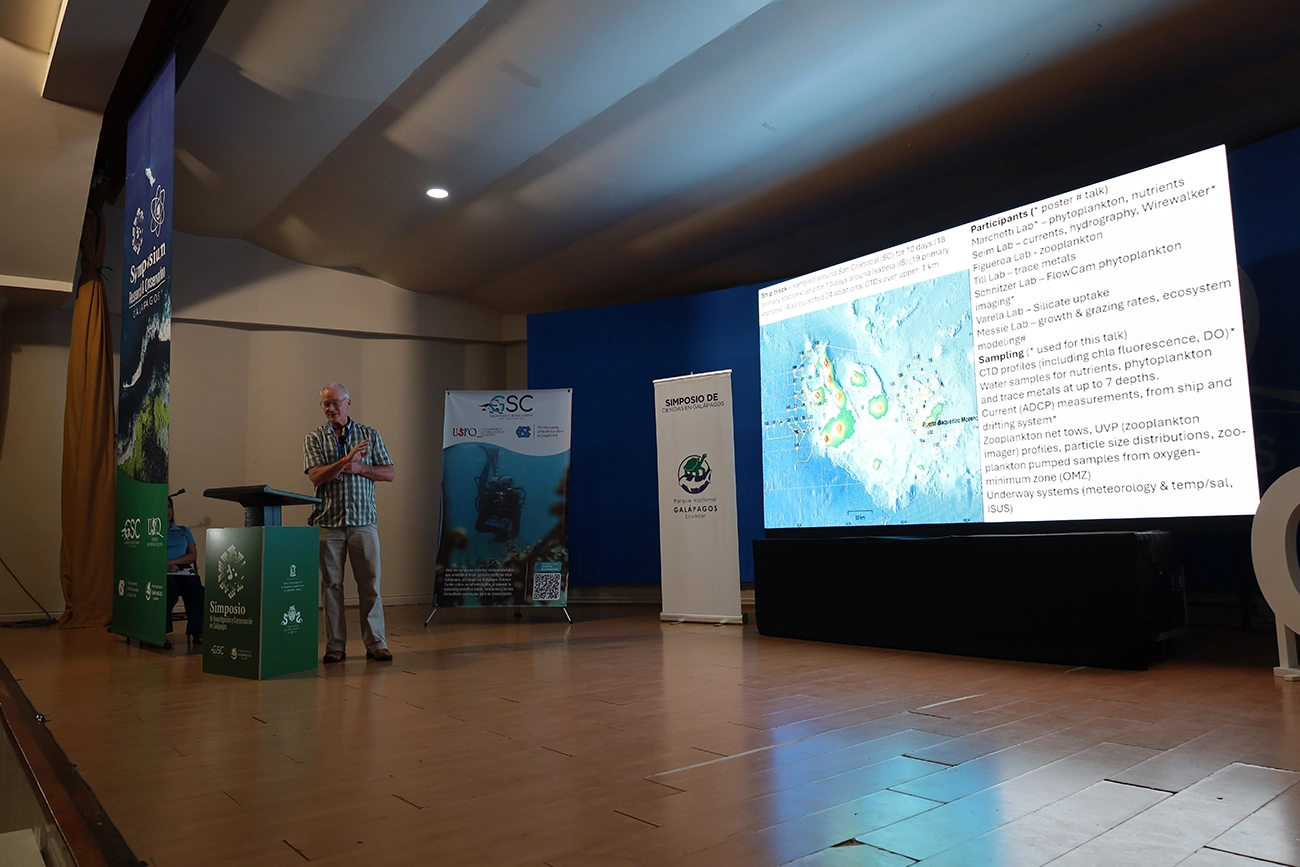
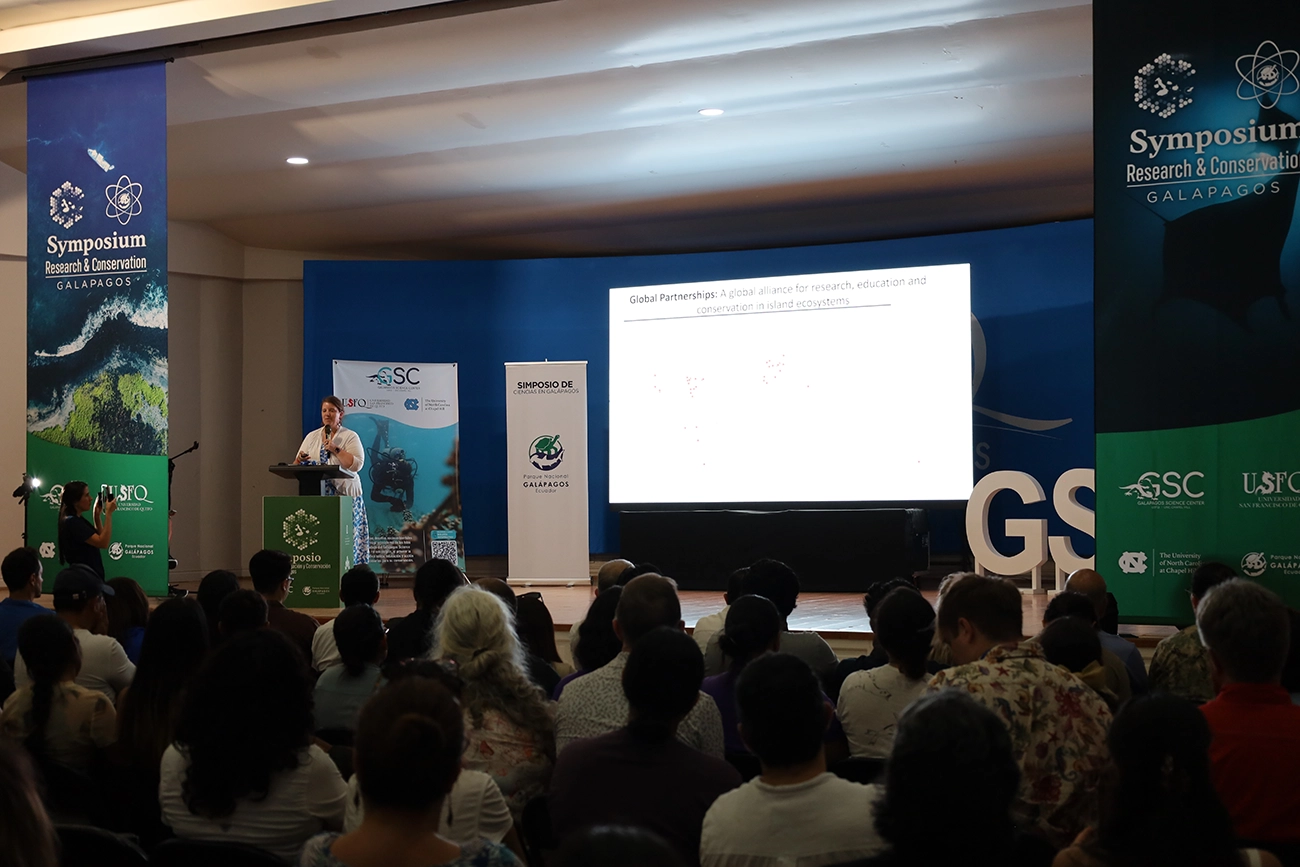
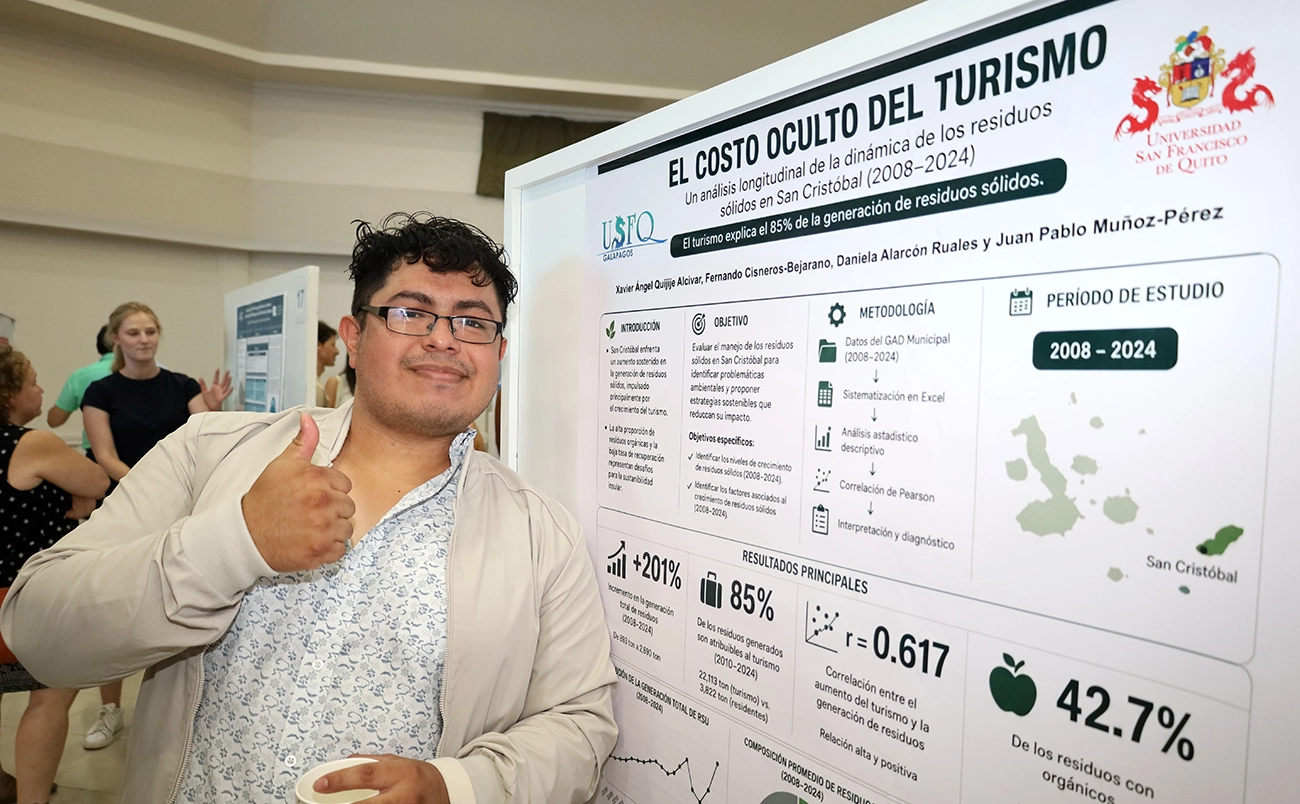
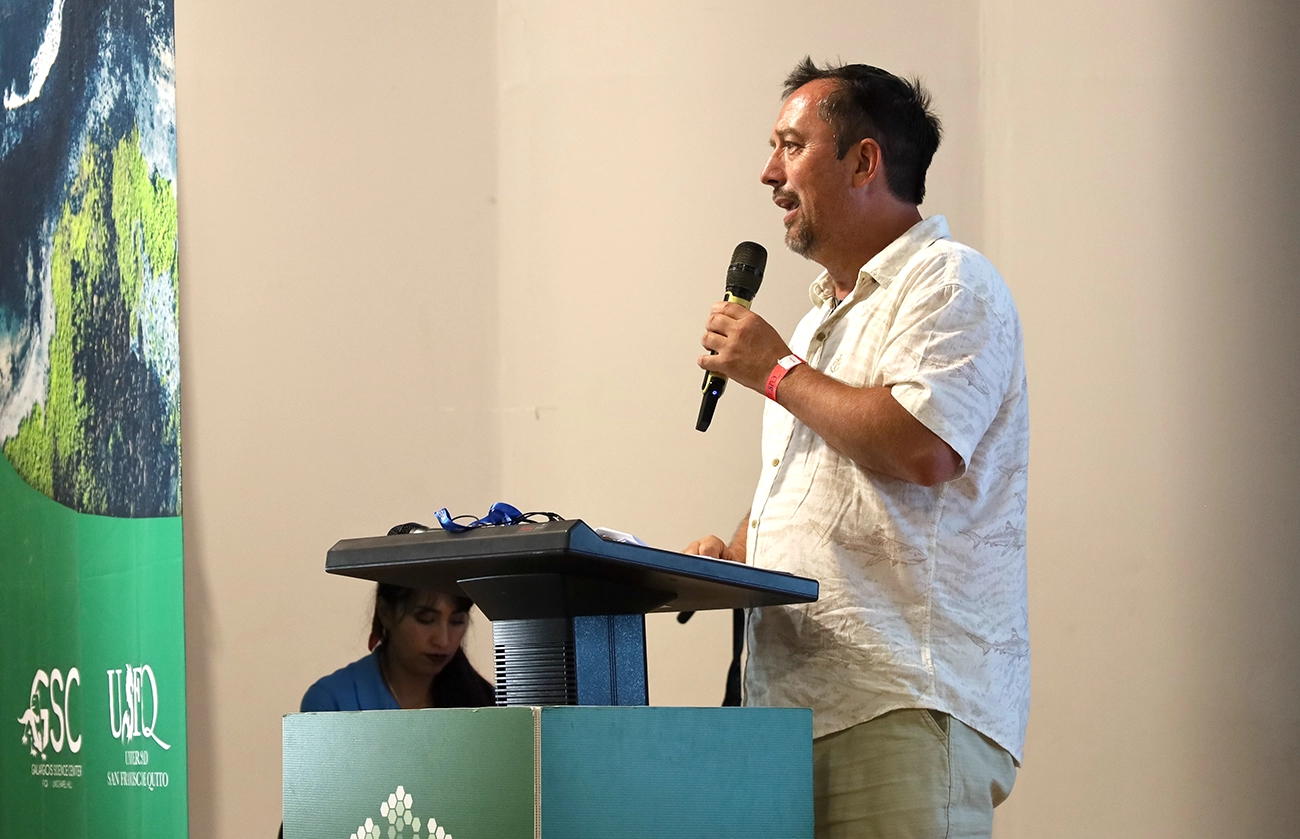
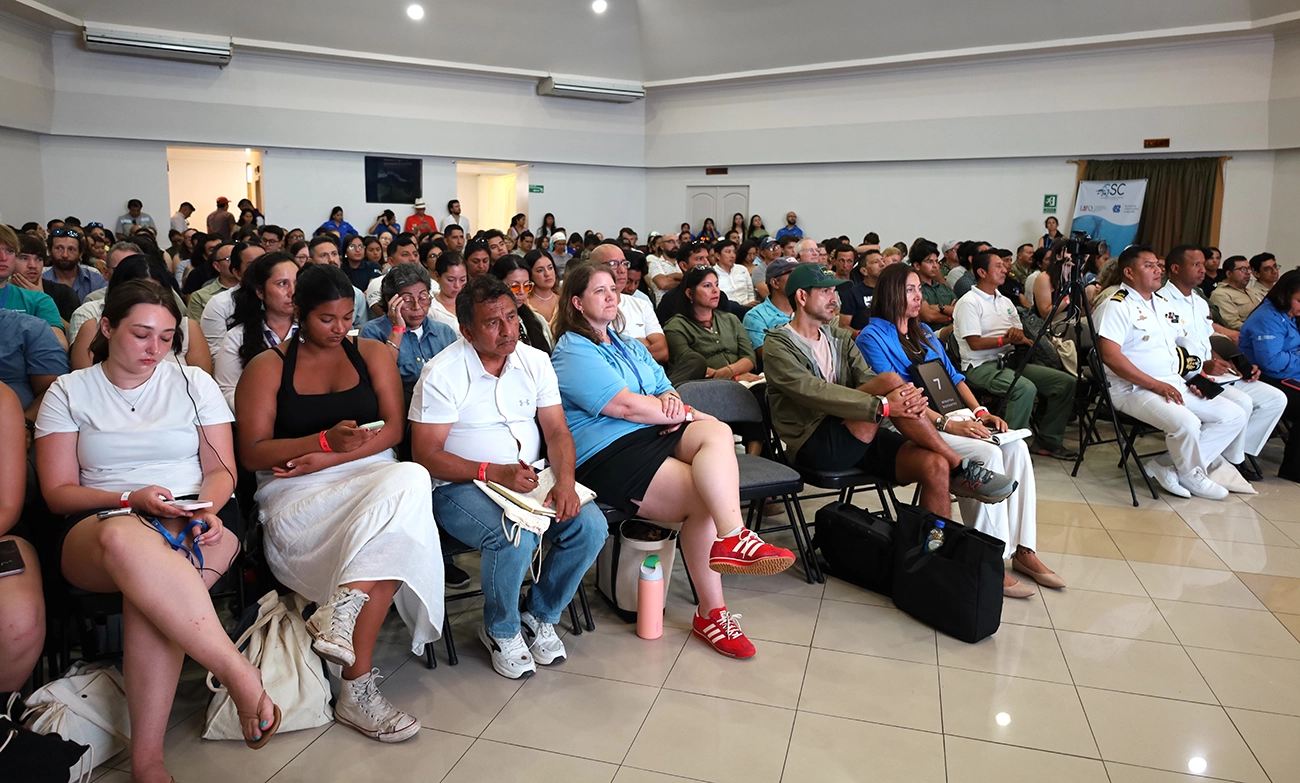
Symposium 2025
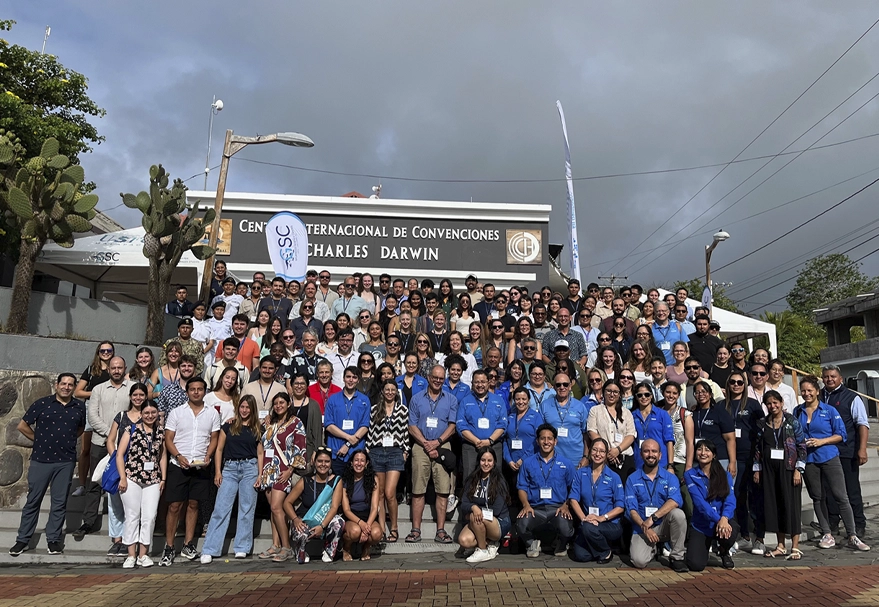
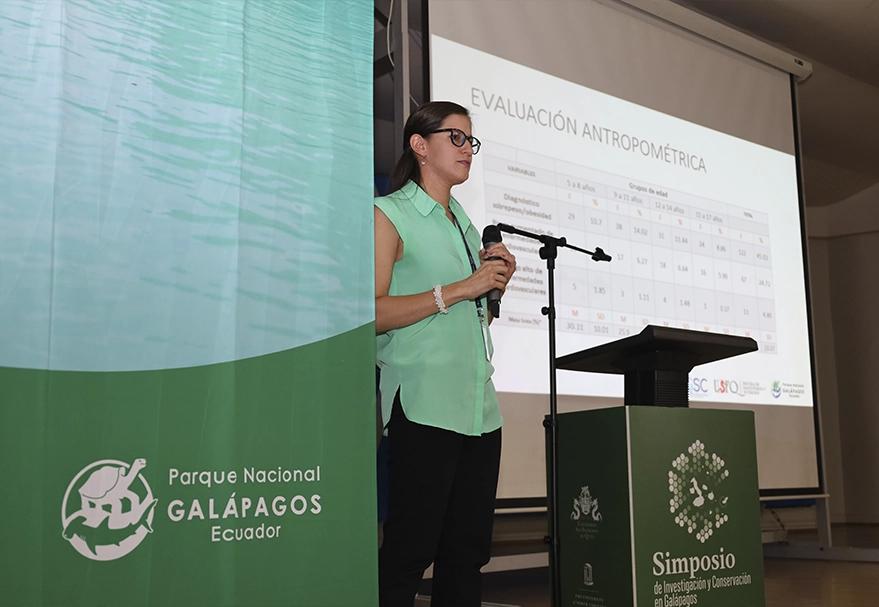
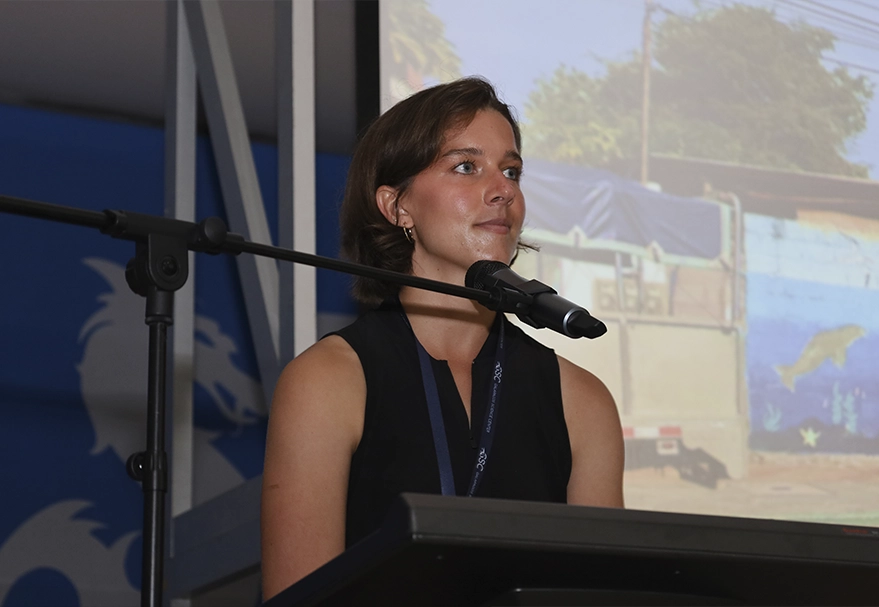
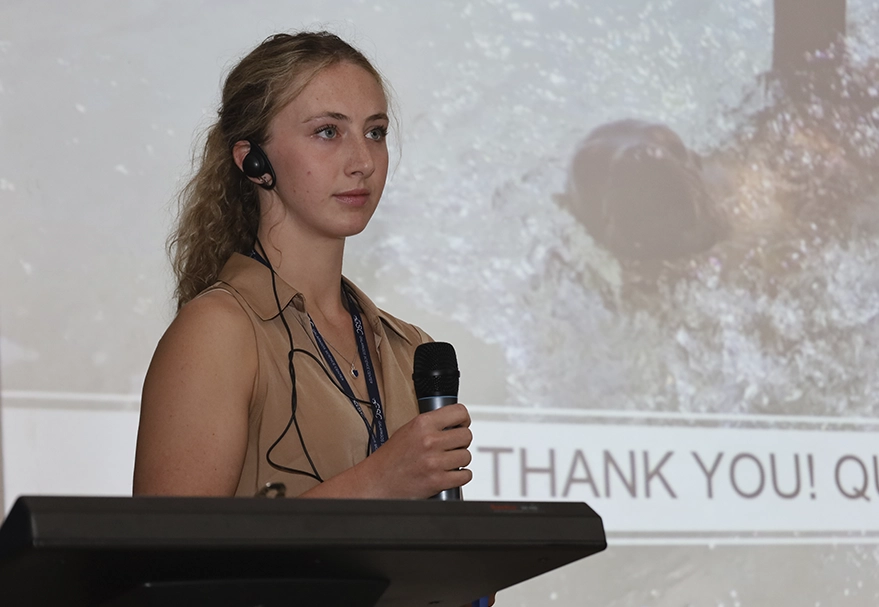
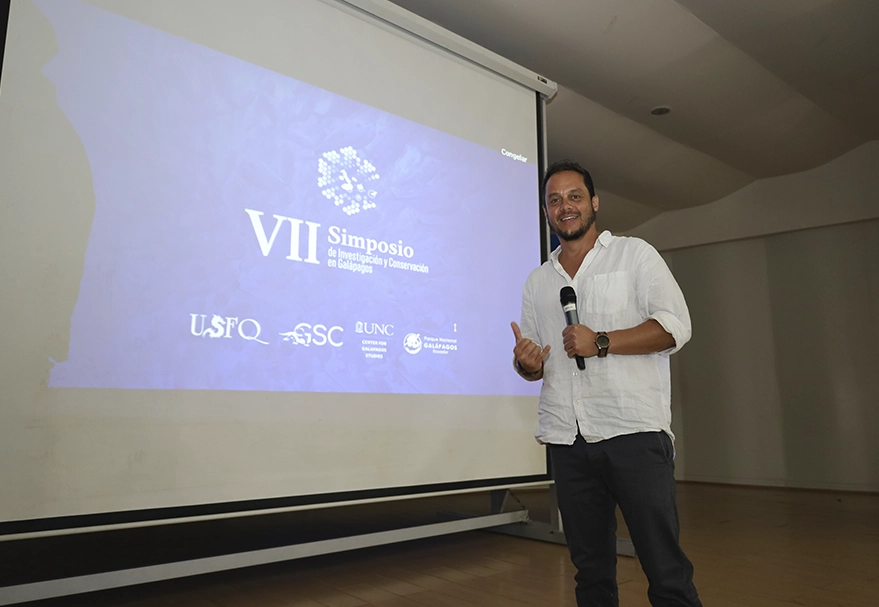
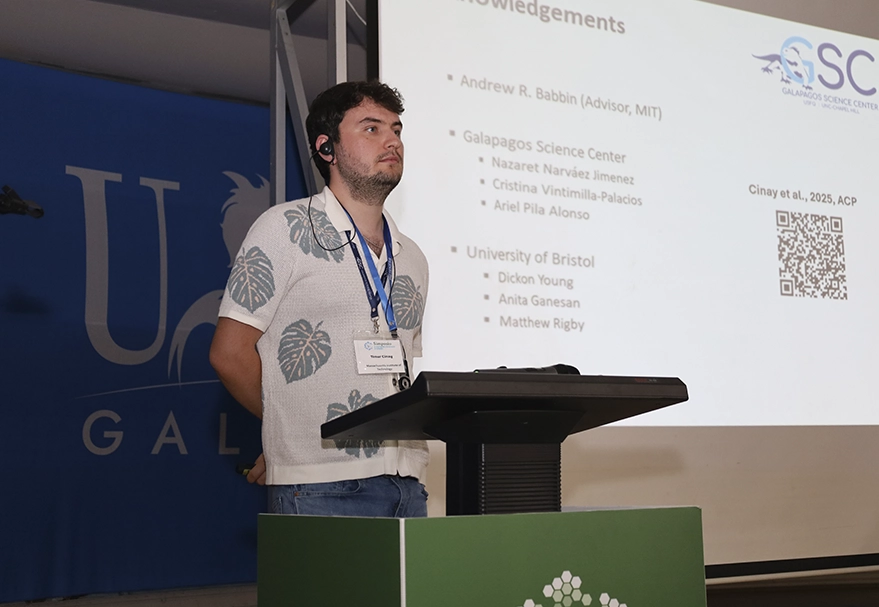
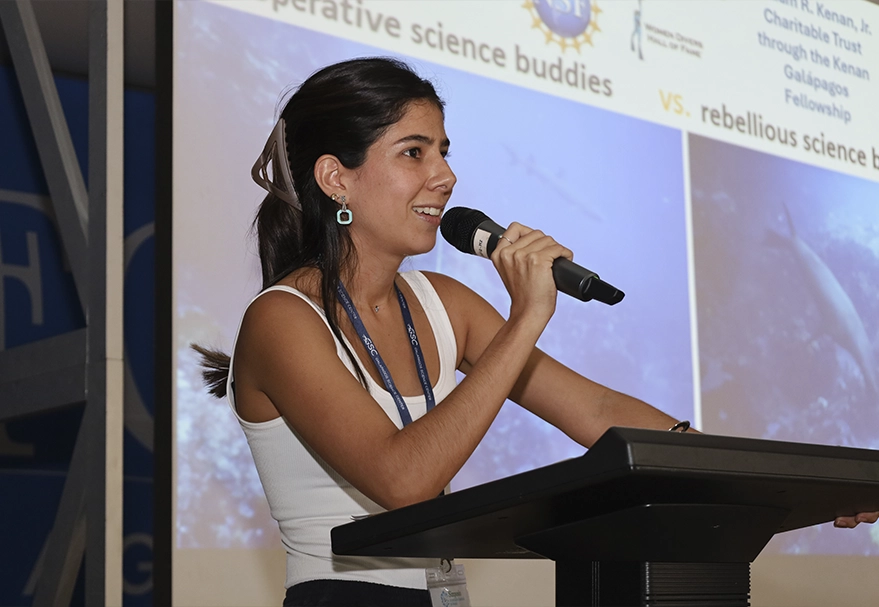
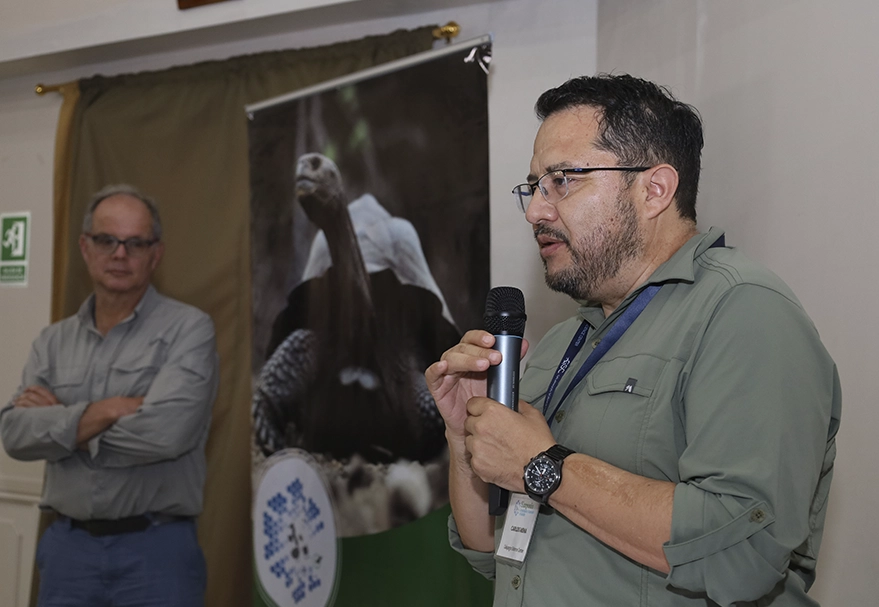
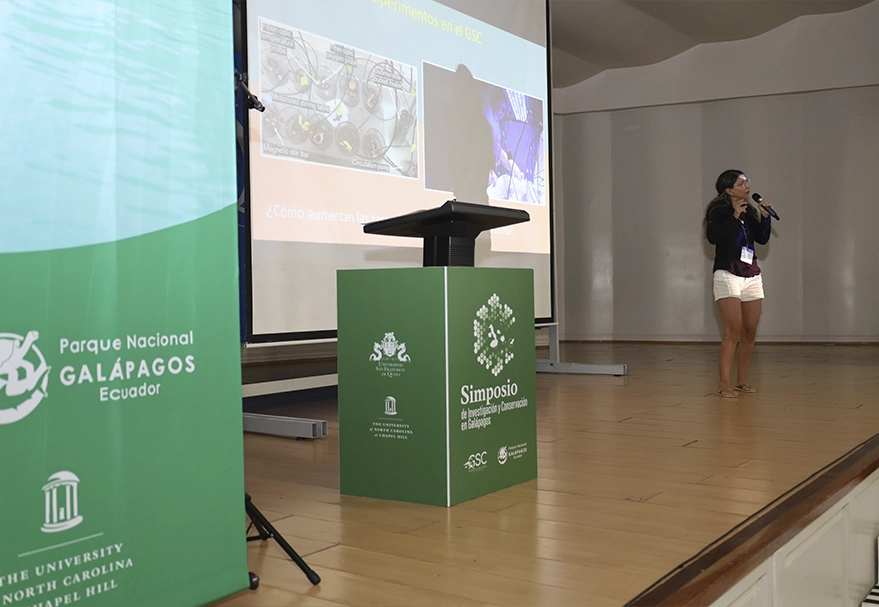
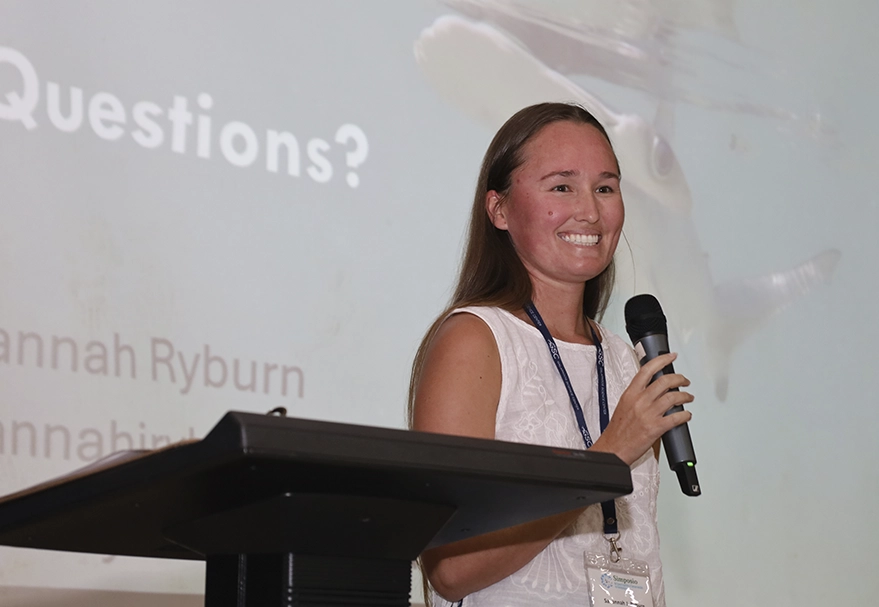
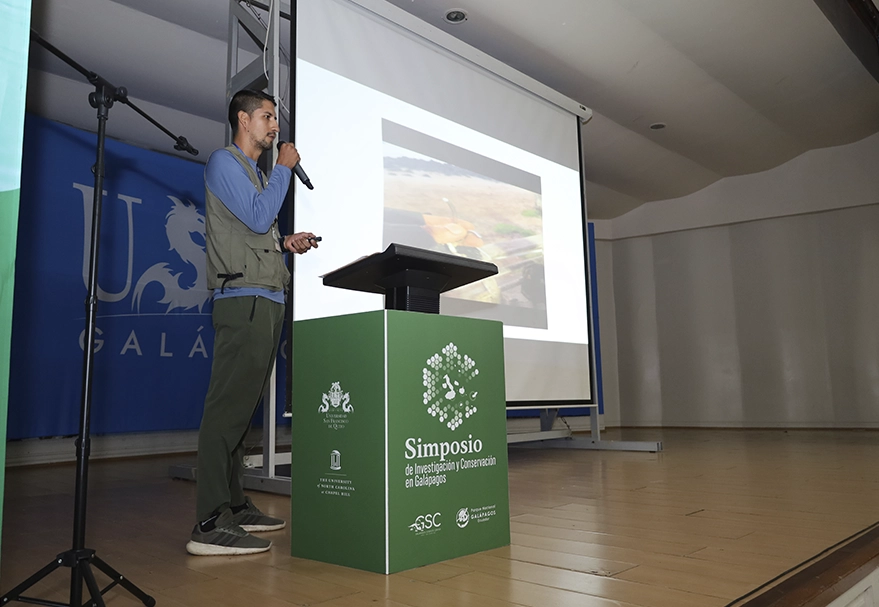
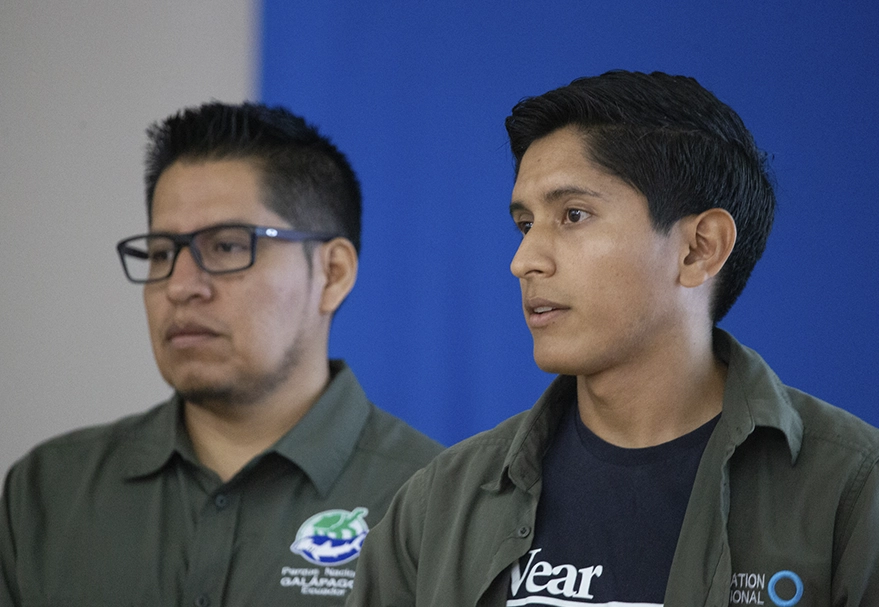
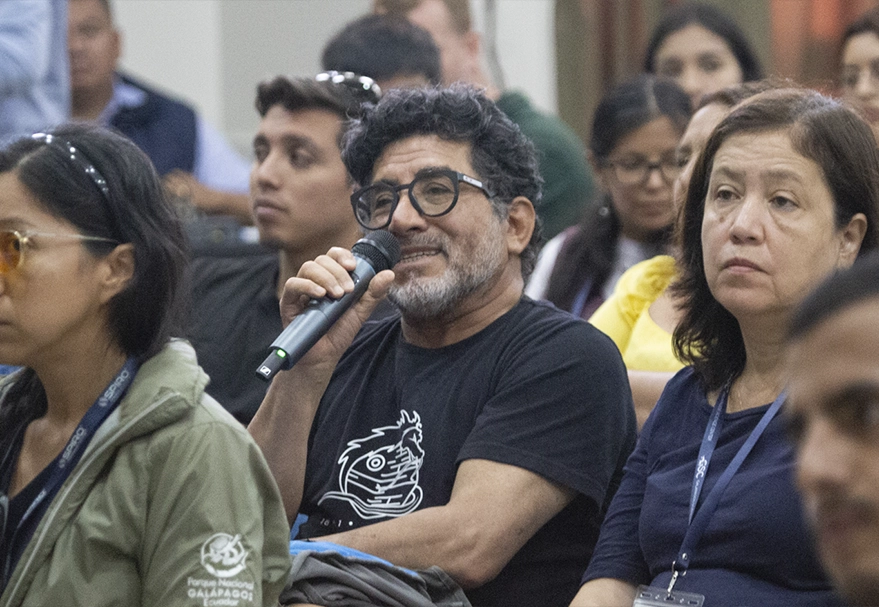
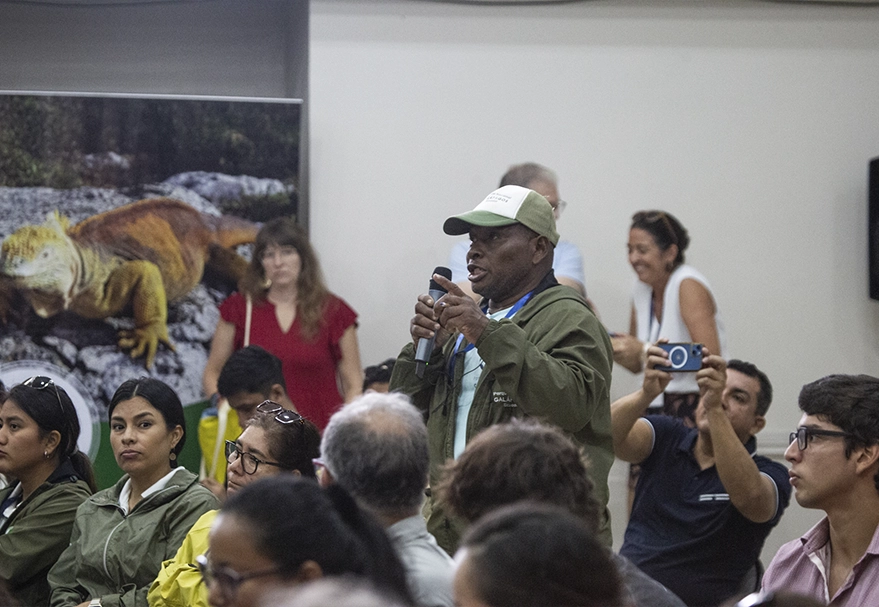
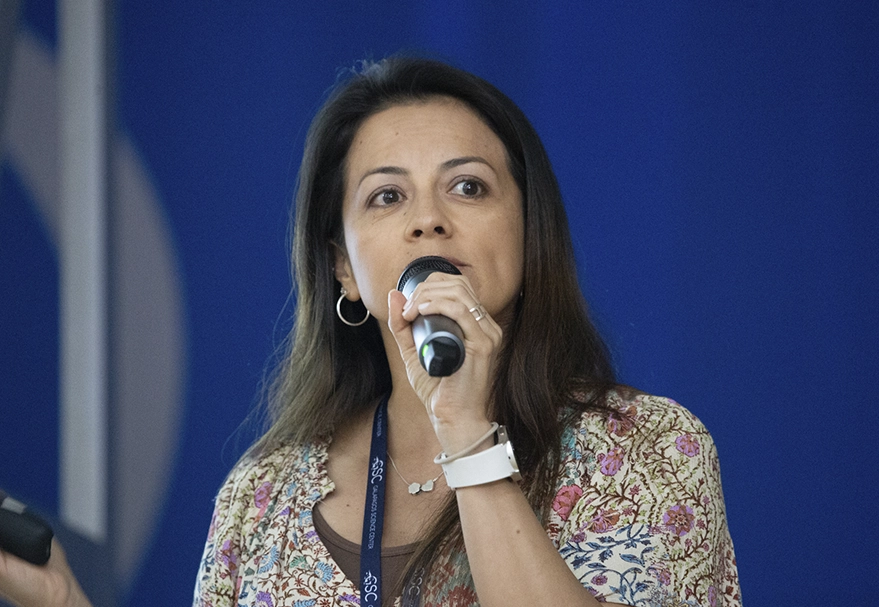
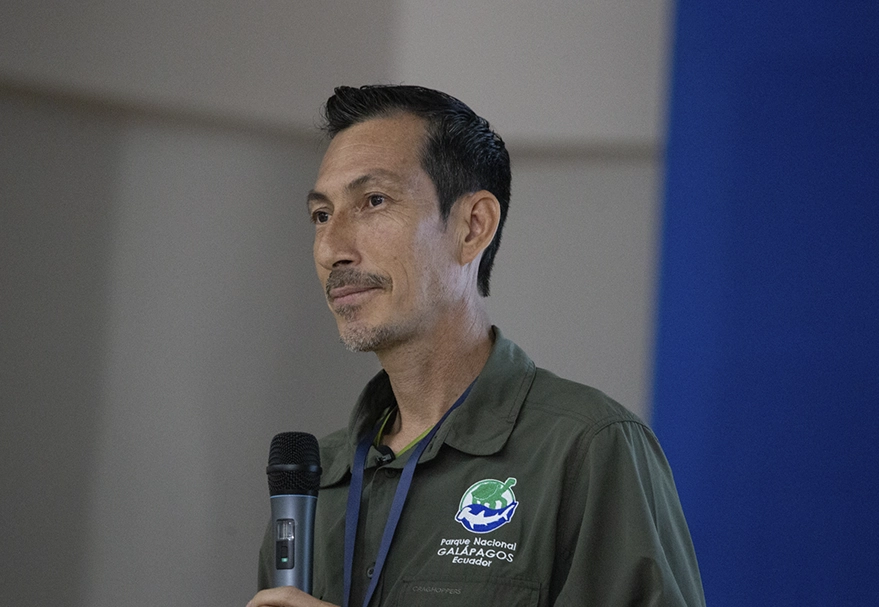
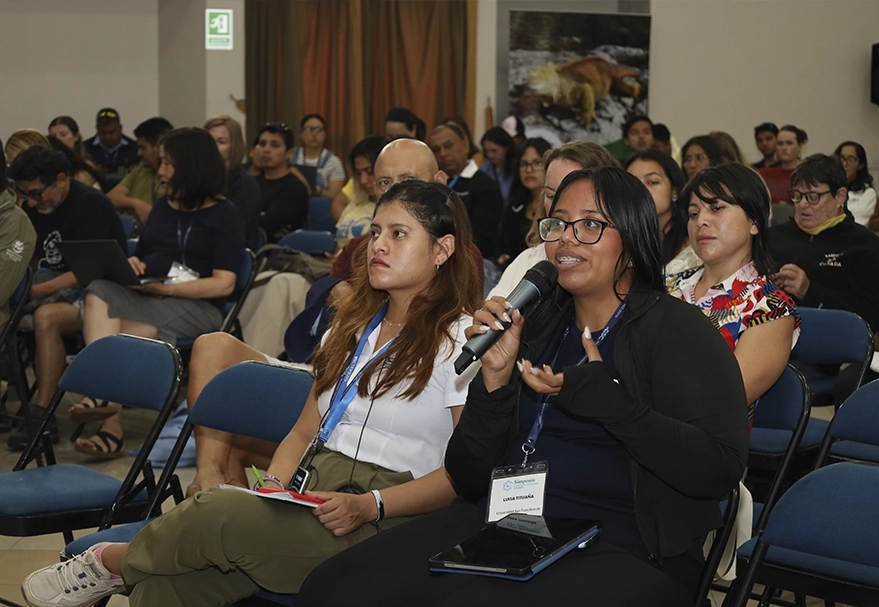
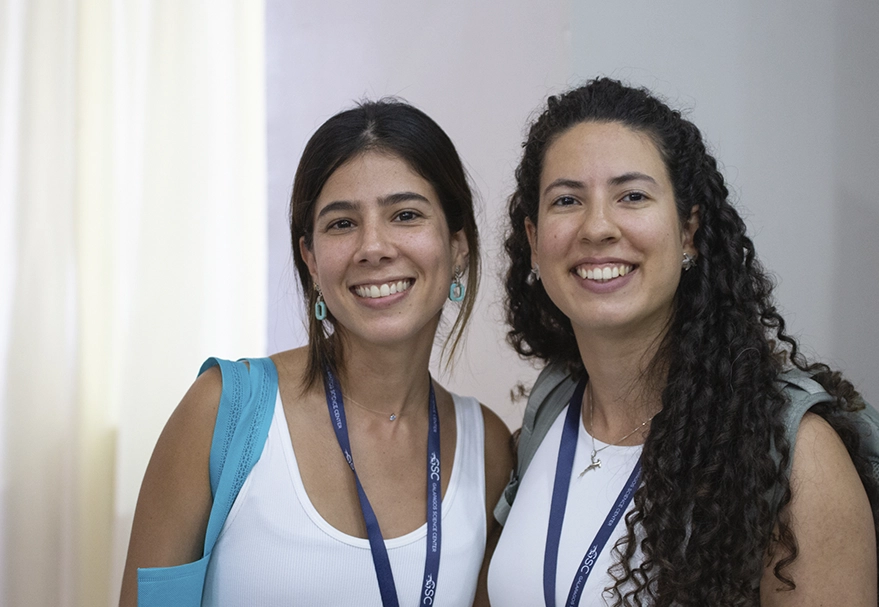
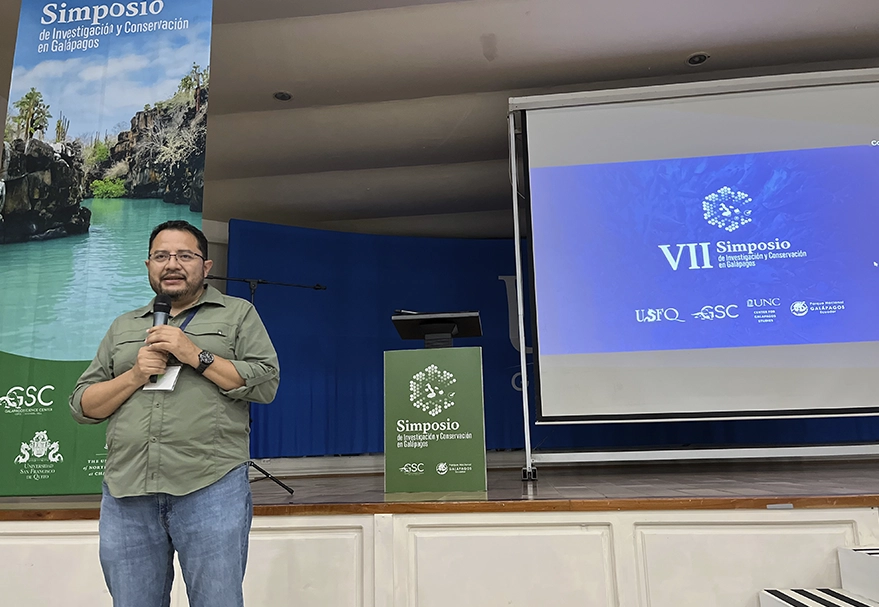
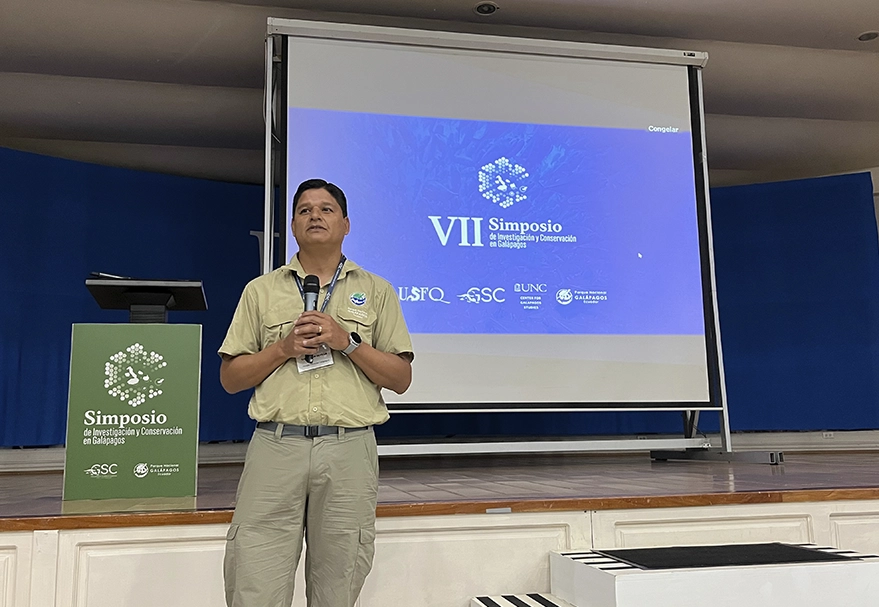
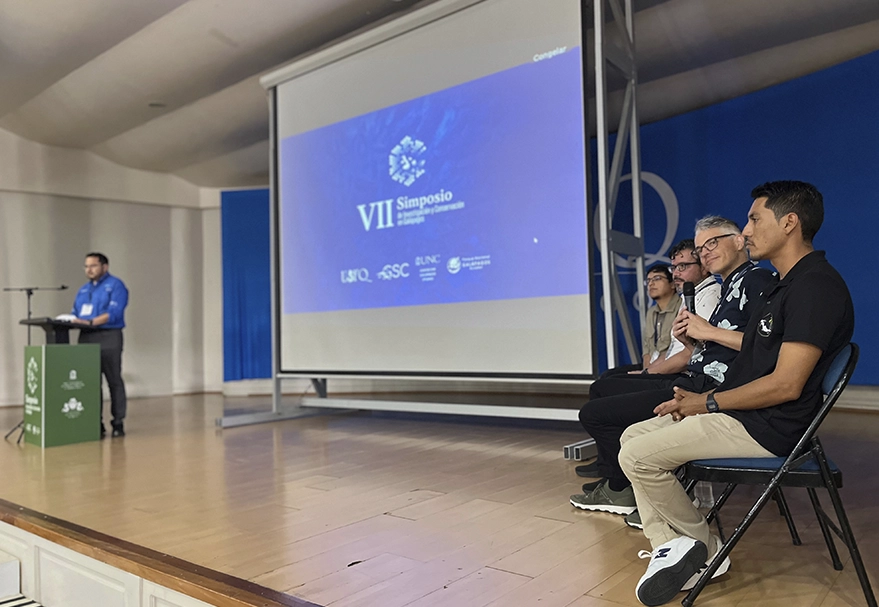
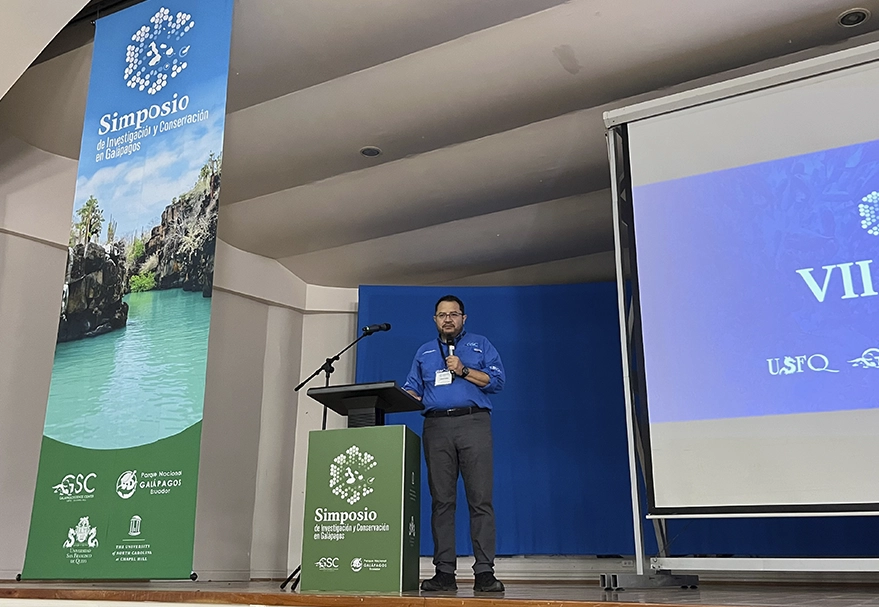
The Galapagos Research and Conservation Symposium was established in 2016 with the primary objective of bringing together scientists from the Galapagos National Park Directorate, the Galapagos Science Center, and the Galapagos community to foster discussion, exchange ideas, and collaborate on scientific efforts related to the conservation of vulnerable island ecosystems and populations.
To learn more, please refer to the proceedings of previous events.
Watch the videos of the previous events:
| Cookie | Duration | Description |
|---|---|---|
| cookielawinfo-checkbox-analytics | 11 months | This cookie is set by GDPR Cookie Consent plugin. The cookie is used to store the user consent for the cookies in the category "Analytics". |
| cookielawinfo-checkbox-functional | 11 months | The cookie is set by GDPR cookie consent to record the user consent for the cookies in the category "Functional". |
| cookielawinfo-checkbox-necessary | 11 months | This cookie is set by GDPR Cookie Consent plugin. The cookies is used to store the user consent for the cookies in the category "Necessary". |
| cookielawinfo-checkbox-others | 11 months | This cookie is set by GDPR Cookie Consent plugin. The cookie is used to store the user consent for the cookies in the category "Other. |
| cookielawinfo-checkbox-performance | 11 months | This cookie is set by GDPR Cookie Consent plugin. The cookie is used to store the user consent for the cookies in the category "Performance". |
| viewed_cookie_policy | 11 months | The cookie is set by the GDPR Cookie Consent plugin and is used to store whether or not user has consented to the use of cookies. It does not store any personal data. |
In 2022, the Galapagos Science Center (GSC) and the broader UNC & USFQ Galapagos Initiative will celebrate its 10th Anniversary. We are proud to announce the World Summit on Island Sustainability scheduled to be held on June 26–30, 2022 at the Galapagos Science Center and the Community Convention Center on San Cristobal Island.
The content of the World Summit will be distributed globally through social media and results documented through papers published in a book written as part of the Galapagos Book Series by Springer Nature and edited by Steve Walsh (UNC) & Carlos Mena (USFQ) as well as Jill Stewart (UNC) and Juan Pablo Muñoz (GSC/USC). The book will be inclusive and accessible by the broader island community including scientists, managers, residents, tourists, and government and non-government organizations.
While the most obvious goal of organizing the World Summit on Island Sustainability is to celebrate the 10th Anniversary of the GSC and the UNC-USFQ Galapagos Initiative, other goals will be addressed through special opportunities created as part of our operational planning of the World Summit.
For instance, we seek to elevate and highlight the Galapagos in the island conservation discourse, seeking to interact with other island networks in more obvious and conspicuous ways to benefit the Galapagos Islands, the UNC-USFQ Galapagos Initiative, and the world. We will seize the opportunity to further develop the I2N2 – International Islands Network-of-Networks. Further, we wish to highlight and emphasize multiple visions of a sustainable future for the Galapagos Islands and we cannot do this alone. Therefore, engaging the Ecuadorian Ministry of Environment, the Ministry of Tourism, the Government Council of Galapagos, the Galapagos National Park, and local Galapagos authorities, including government and non-government organizations and local citizen groups, is imperative.
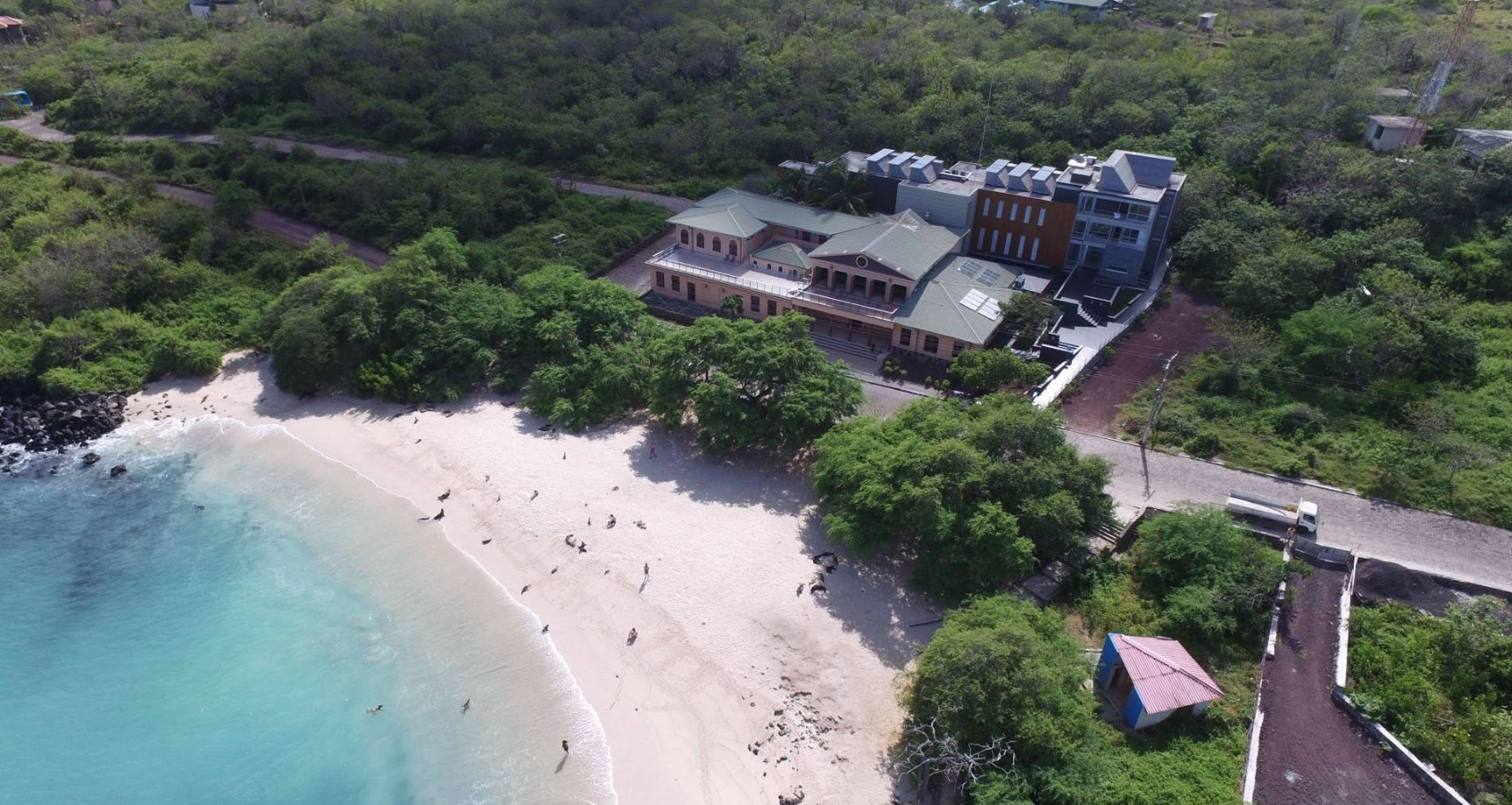
Borrowing from Hawaii’s and Guam’s Green Growth Program and the Global Island Partnership, we wish to examine existing global programs that emphasize island sustainability and their incorporation into life, policies, and circumstances in the Galapagos Islands. We will also seek to enhance our connections with the institutional members of our International Galapagos Science Consortium and expand the Consortium through the recruitment of other member institutions. We will also work to benefit islands and their local communities by working with citizen groups as well as important NGOs who seek to improve the natural conditions in the Galapagos and diminish the impact of the human dimension on the future of Galapagos’ ecosystems.
Lastly, we will use the World Summit to benefit UNC & USFQ and our constituencies through a strong and vibrant communication plan about the World Summit, creating corporate relationships as sponsors, identifying funding goals through donors, and benefiting our study abroad program for student engagement in the Galapagos Islands. We plan to develop and issue a Galapagos Sustainability Communique after the World Summit that includes the vision and insights of all its participants for a sustainable Galapagos with applicability to global island settings.
We are eager to hear your perspective and have you join us at the World Summit on Island Sustainability!