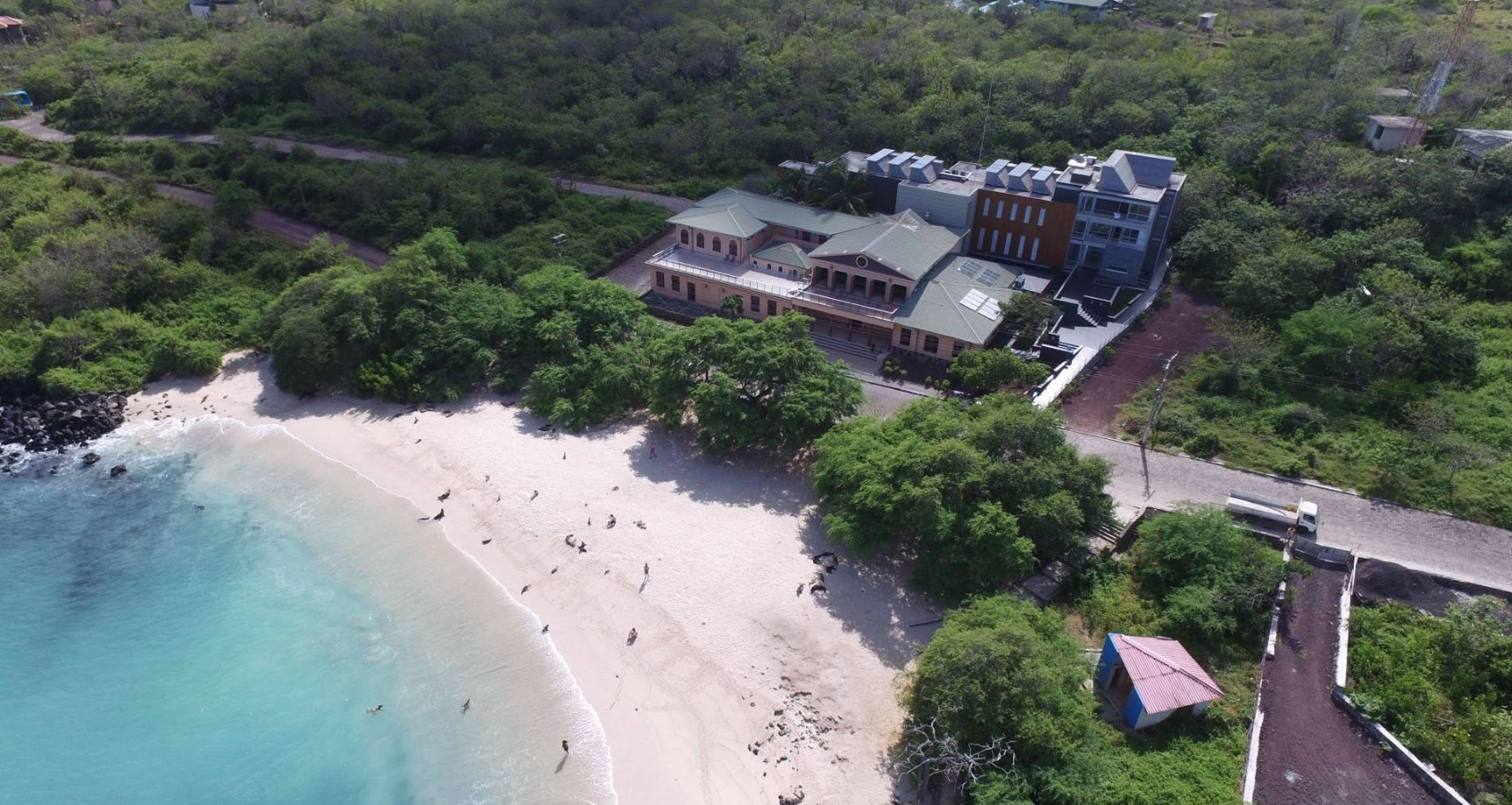
Reproductive timing and intensity in a Galápagos intertidal mollusc are modulated by thermal phases
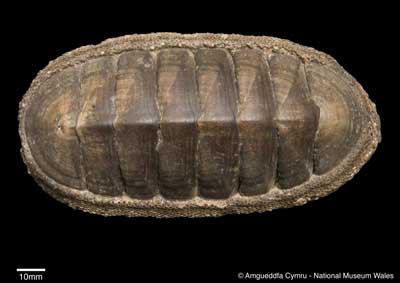
This study analyzes how variations in sea temperature influence the reproduction of the canchalagua (Radsia goodallii), an endemic mollusk of the Galápagos Islands with ecological and socio-economic importance for local artisanal fisheries. Understanding its reproductive patterns is essential for developing management and conservation strategies that ensure the sustainability of the species.
Galápagos strengthens sea lion protection with an updated management plan on San Cristóbal Island
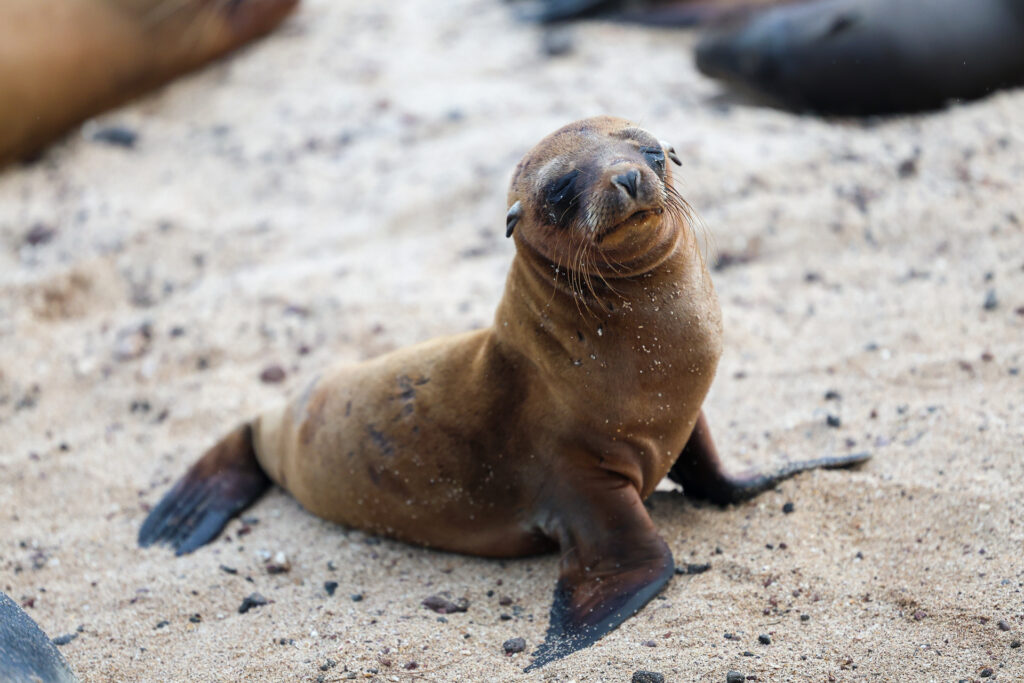
The Galapagos National Park Directorate (GNPD), with the support of the Universidad San Francisco de Quito (USFQ), officially launched the “Management Plan for the Conservation and Sustainable Use of the Galápagos Sea Lion in San Cristóbal Island 2025–2030.”
Scientists Study the Impact of Ocean Processes on Marine Biodiversity in the Galápagos
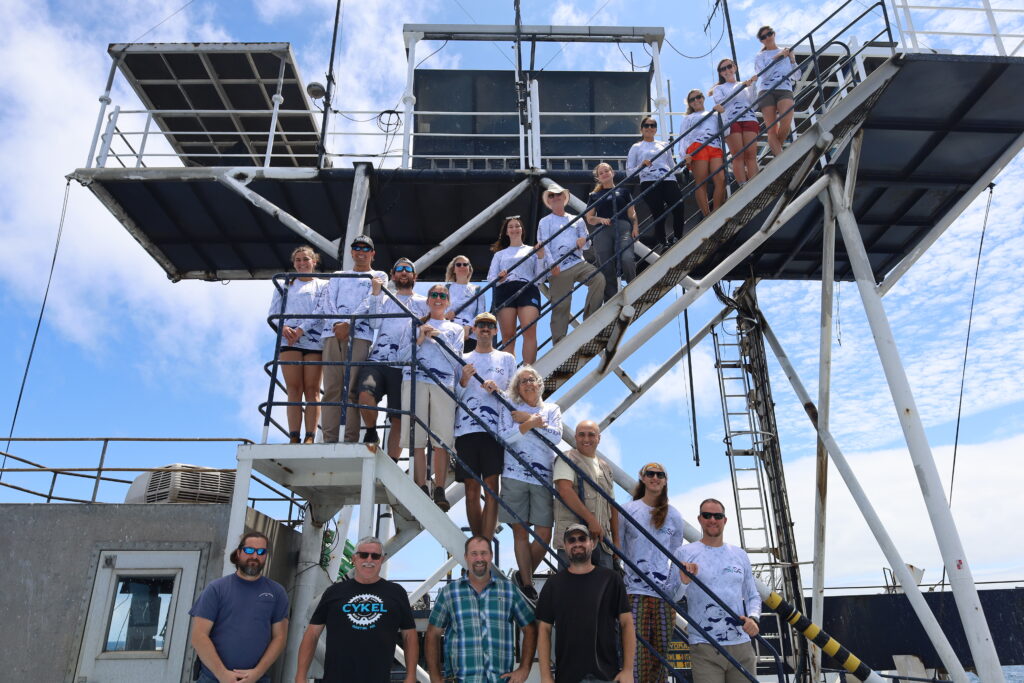
From July 30 to August 21, a scientific expedition was carried out aboard the research vessel R/V Marcus Langseth in the Galápagos Marine Reserve (GMR), led by researchers Adrian Marchetti and Harvey Seim of UNC and the GSC.
First Report of Anaplasma phagocytophilum in Galapagos: High Prevalence in Dogs and Circumstantial Evidence for the Role of Rhipicephalus linnaei as Vector
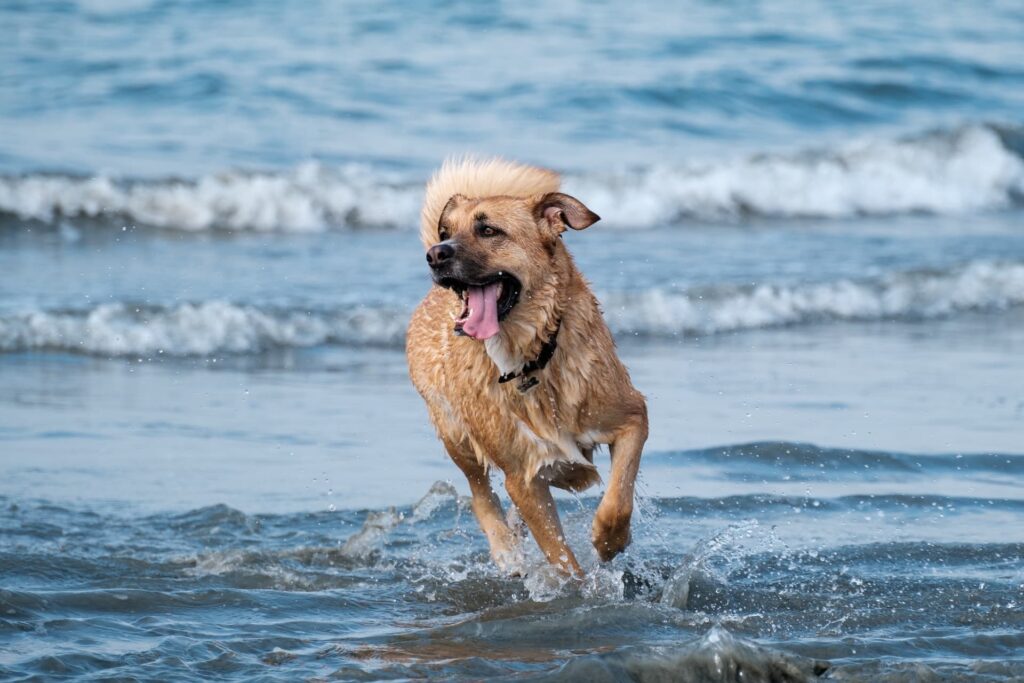
The Galápagos Islands host a unique biodiversity but face increasing threats from emerging diseases. Among them, tick-borne pathogens such as Anaplasma spp. are of concern due to their potential impact on both domestic animals and wildlife. Understanding their presence and transmission dynamics is essential for conservation and public health.
Drivers of Marine Phytoplankton Diversity and Connectivity in the Galápagos Archipelago Spanning an ENSO Cycle
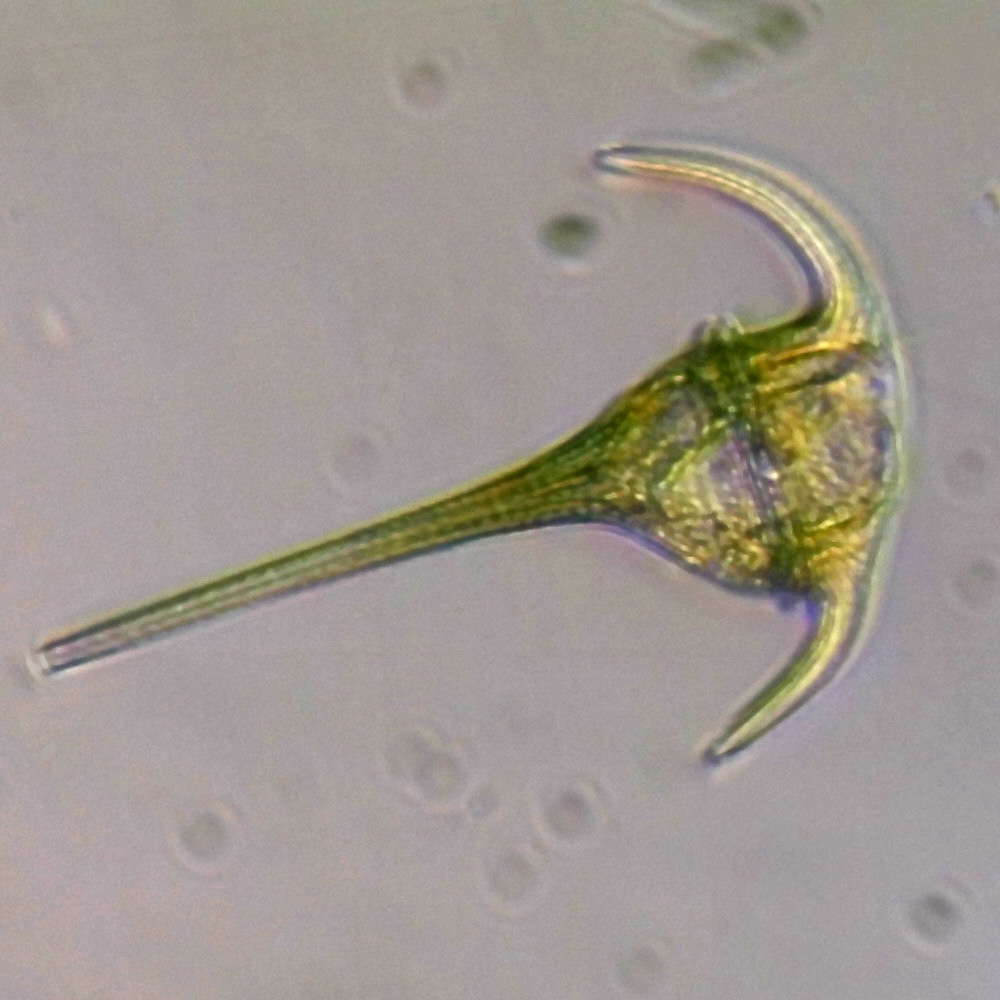
Phytoplankton form the foundation of marine food webs, and their diversity strongly influences ocean ecosystem health. In the Galápagos Islands, ocean currents and climate variability linked to the El Niño-Southern Oscillation (ENSO) shape these communities, driving changes in productivity and connectivity.
Heterogeneous preferences for cleaner maritime transportation in the tourism sector: A choice experiment from the Galápagos Islands

Maritime transport is essential for tourism in the Galápagos Islands, but it also represents a significant source of pollution.This study explores tourists’ willingness to pay for cleaner propulsion technologies, electric and hybrid, as alternatives to internal combustion engines, aiming to promote more sustainable tourism in this fragile ecosystem.
Exploring the trophic strategies of two large pelagic species inhabiting the Galapagos Marine Reserve

A new study conducted in the Galápagos Marine Reserve analyzed the diets of two pelagic species: the swordfish (Xiphias gladius) and the dolphinfish (Coryphaena hippurus). The aim was to understand how these populations, which share the same ecosystem, manage to coexist without directly competing for food.
New milestone in whale shark research in Galápagos

The Galapagos Whale Shark Project team (GWSP), in collaboration with the Galápagos National Park Directorate (DPNG) and the Galapagos Science Center of the Universidad San Francisco de Quito (GSC-USFQ), has recently returned from a 15-day expedition to Darwin’s Arch, in the far north of the archipelago. During the expedition, the team successfully identified 12 different whale sharks and tagged 7 of them with SPLASH satellite tags, attached with clamps to the fin.
Global tracking of marine megafauna space use reveals how to achieve conservation targets

An international team of over 400 scientists, including Alex Hearn, professor at Universidad San Francisco de Quito and researcher at the Galapagos Science Center, tracked more than 12,000 marine animals via satellite. The goal of this global effort was to accurately identify migratory routes and key areas used by different species for feeding, breeding, or movement, in order to generate essential information for their conservation.
First epidemiological survey of Toxoplasma Gondii in Galapagos sea lions (Zalophus wollebaeki)
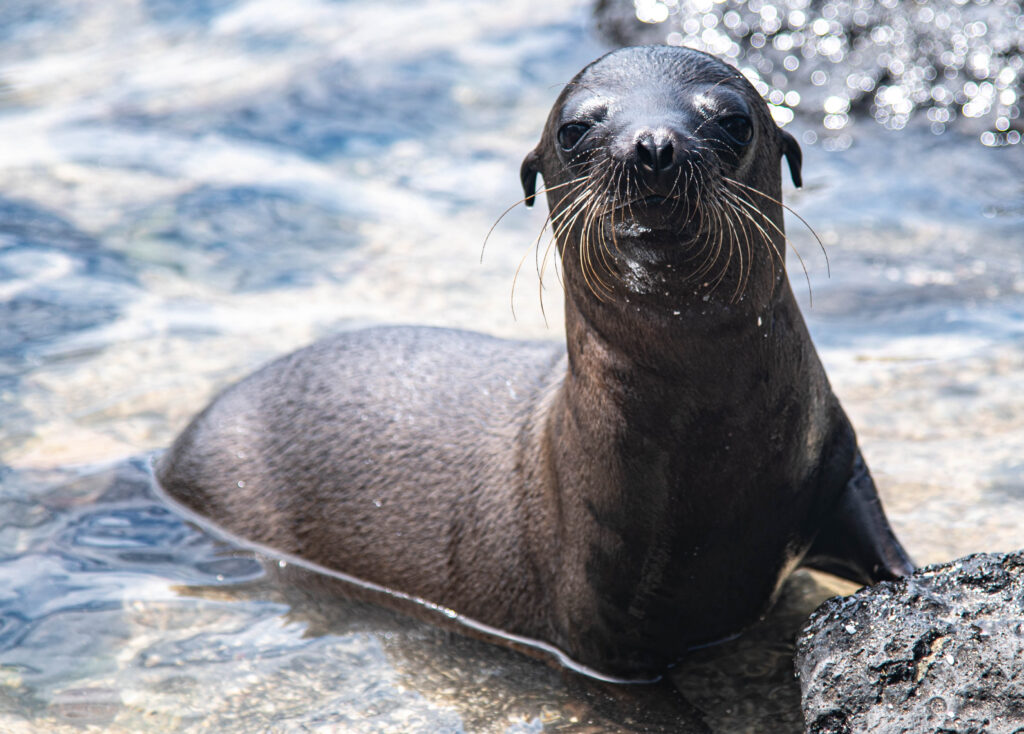
In this study, the exposure to the parasite Toxoplasma gondii was evaluated for the first time in Galápagos sea lions (Zalophus wollebaeki), a vulnerable and endemic species. Through serological, molecular, and histopathological analyses of samples from both live animals and carcasses, a high seroprevalence was identified in juveniles (79%), along with the presence of parasitic DNA in lung tissues.