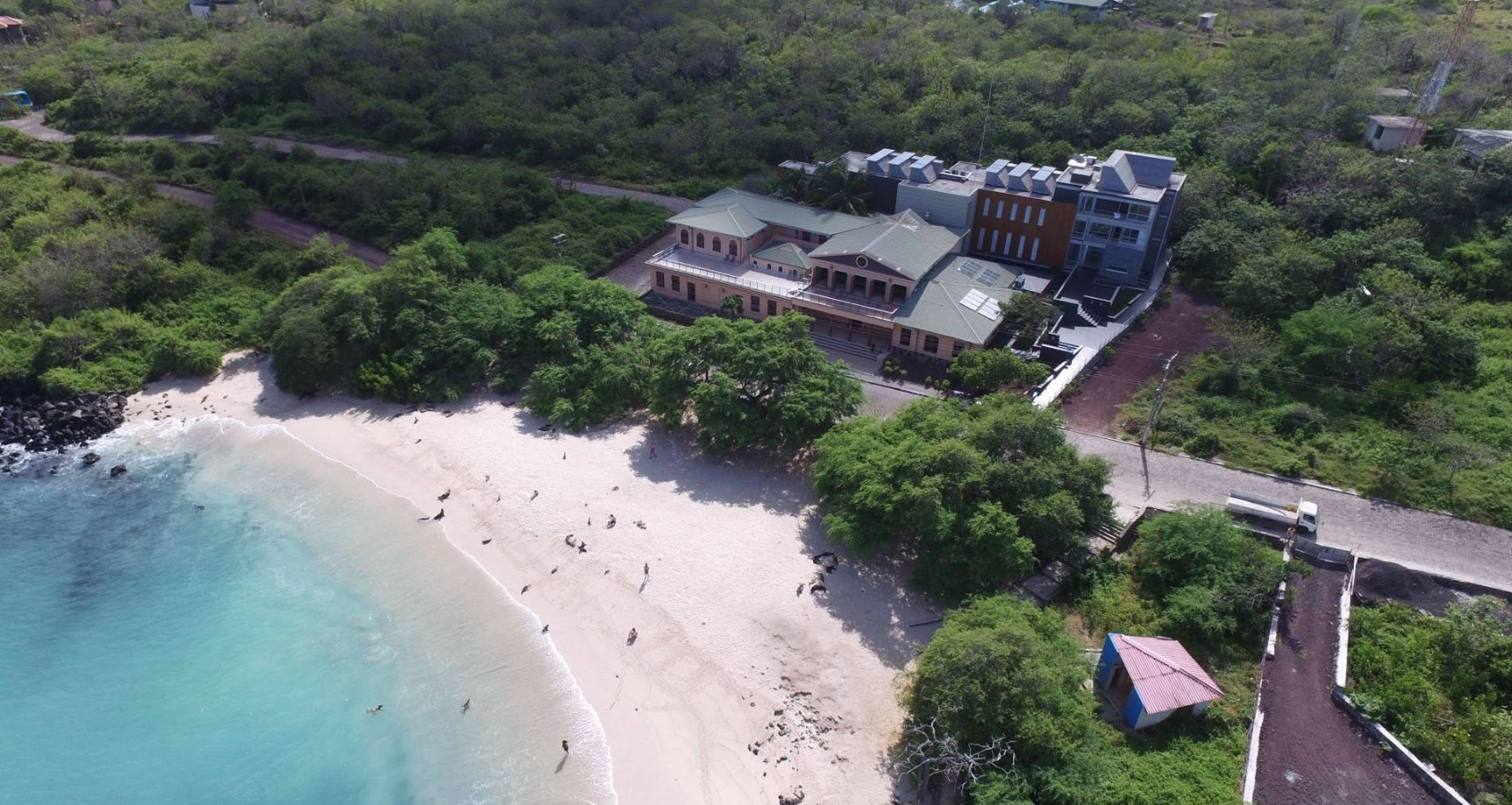
Evaluation of the Rapid Phytolith Extraction Protocol to Identify the Fuel-mix Used at the Nineteenth-century Sugar Mill of El Progreso Plantation, Galápagos
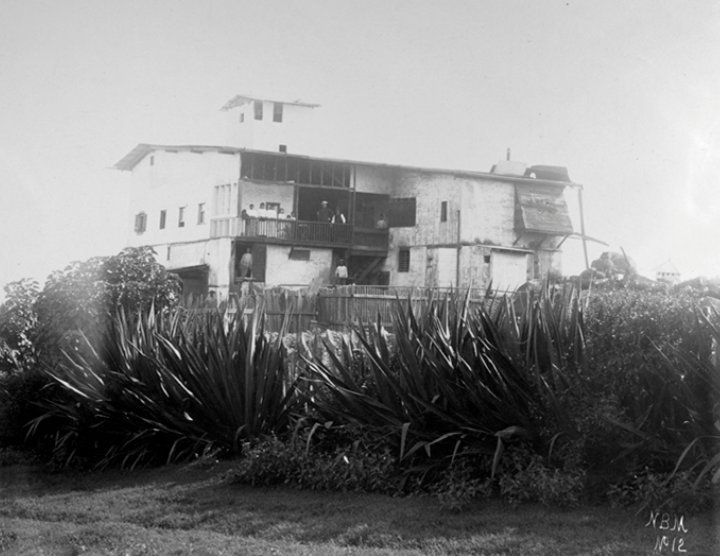
Phytoliths analysis was applied to identify the fuel compound used at the sugar mill of El Progreso plantation.
UNC School of Social Work and USFQ launch social work certificate program in Galapagos
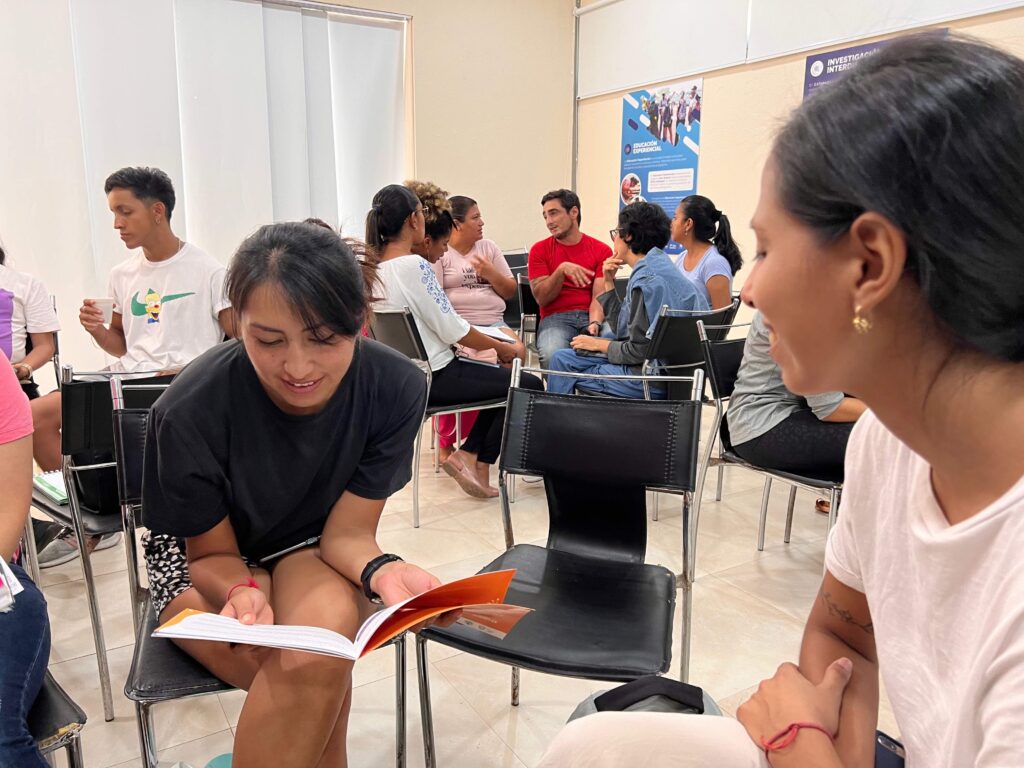
The UNC-Chapel Hill School of Social Work and the Universidad San Francisco de Quito (USFQ) have launched an exciting new collaboration: a 12-week program for Galapagos locals to earn a certificate in community development and social work.
Shark Day: 10 years celebrating the importance of protecting sharks and their habitat
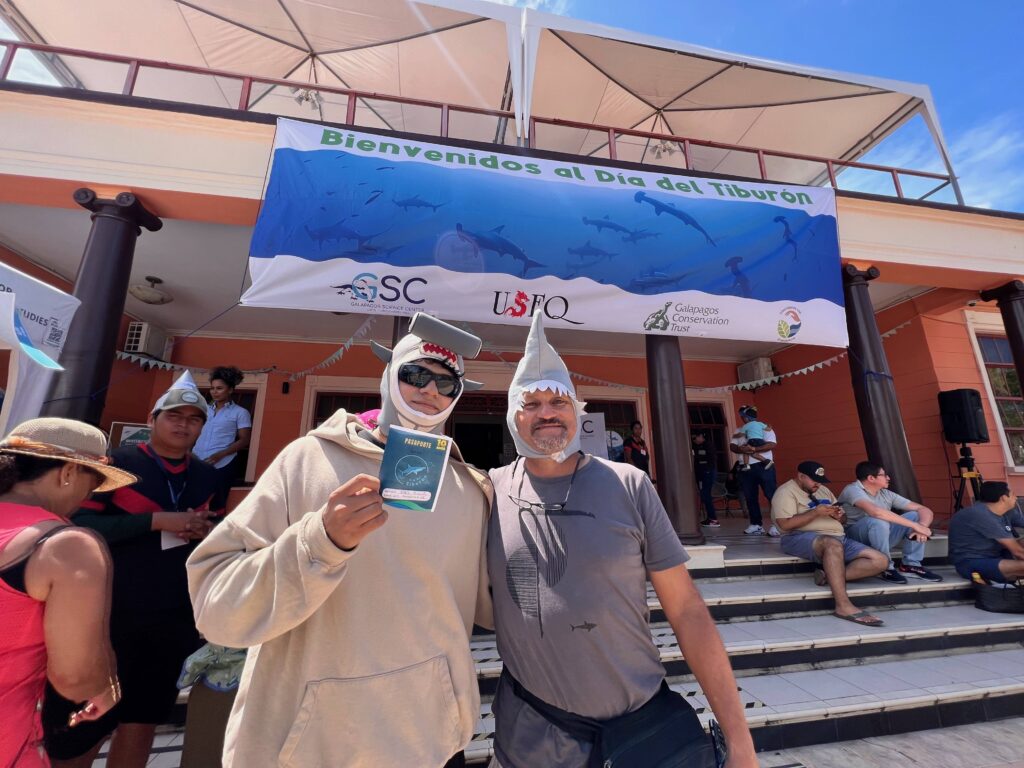
San Cristóbal community celebrates Shark Day. On Saturday, July 15th, over 520 people dressed in blue to celebrate Shark Day on San Cristóbal Island, an annual event dedicated to educating the local community about the importance of protecting for these marine animals.
What Darwin could not see: island formation and historical sea levels shape genetic divergence and island biogeography in a coastal marine species
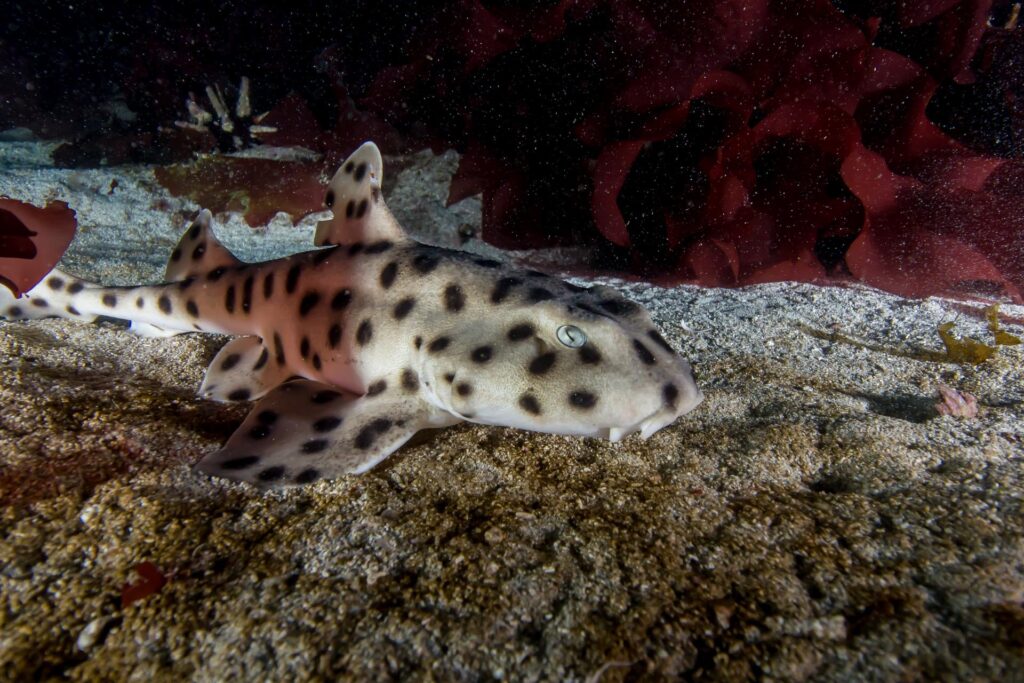
Oceanic islands play a central role in the study of evolution and island biogeography.
5th Galapagos Research and Conservation Symposium: Igniting solutions for the future of ecosystems and communities
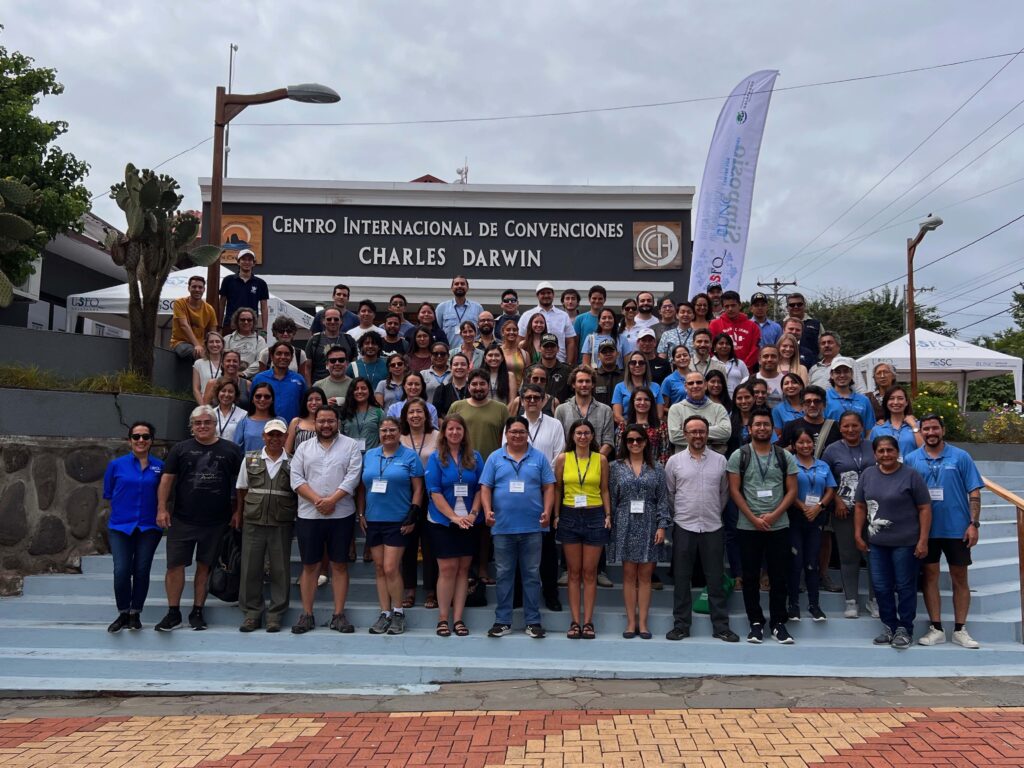
This multidisciplinary event was attended by 253 participants and showcased the most significant scientific research findings conducted in the region.
Galapagos Genetic Code (Barcode)
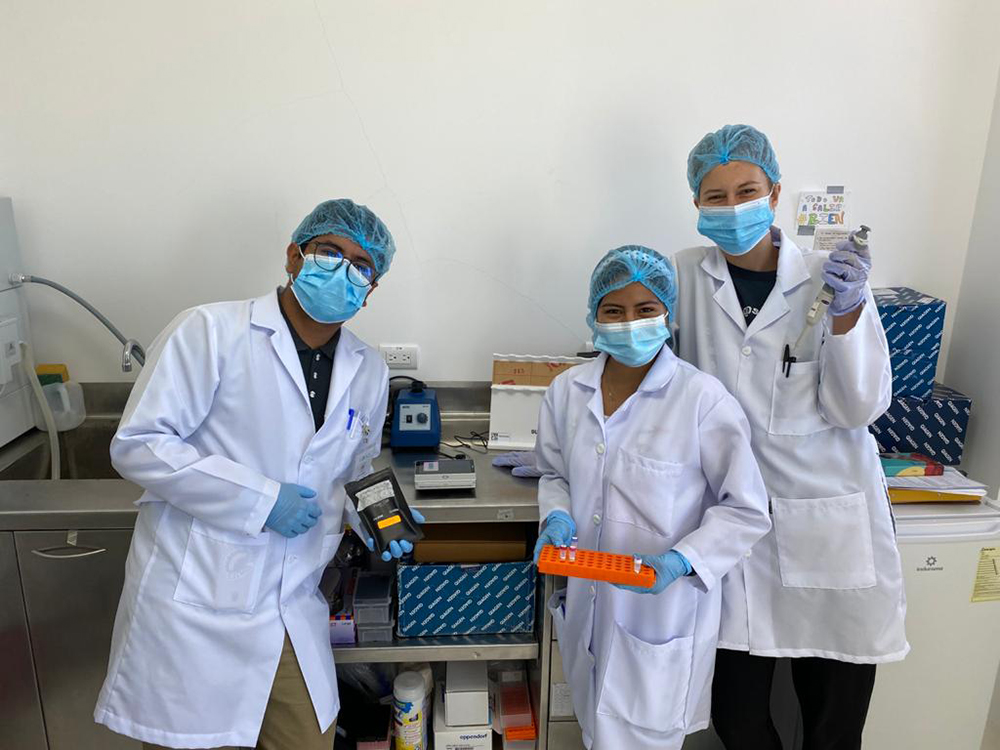
The Galapagos Genetic Code project was created through collaboration between the Galapagos Science Center, the Universidad San Francisco de Quito, the University of Exeter in the UK, the Agency for Regulation and Control of Biosafety and Quarantine for Galapagos, and the Galapagos Conservation Trust. Project aims to catalog the biodiversity of the Galapagos Islands.
Genomic evidence for homoploid hybrid speciation in a marine mammal apex predator
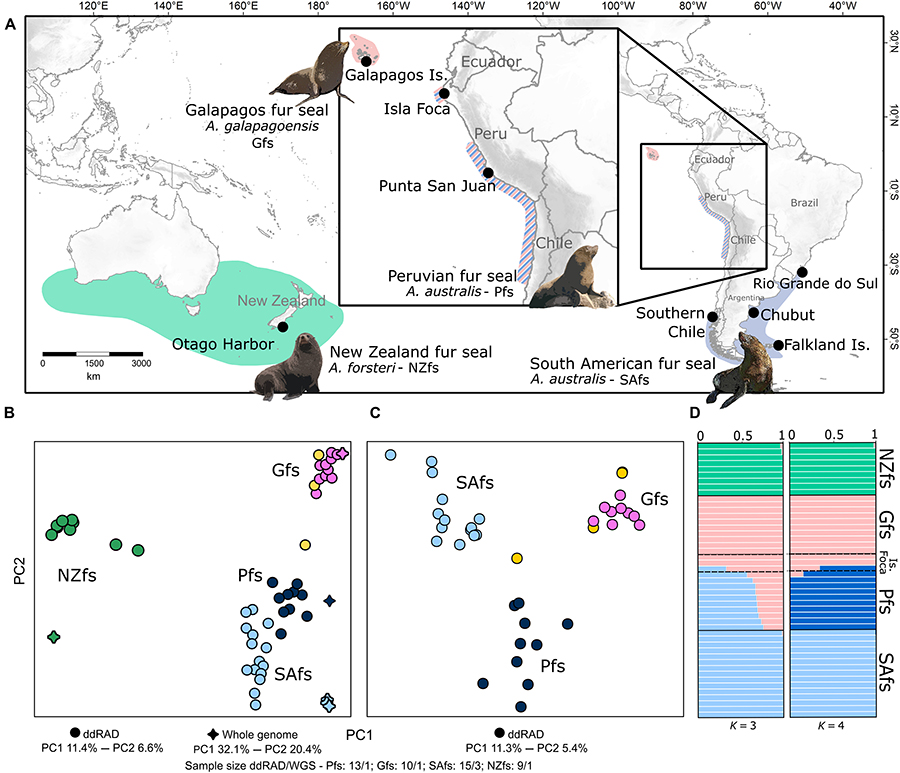
Hybridization is widespread and constitutes an important source of genetic variability and evolution. In animals, its role in generating novel and independent lineages (hybrid speciation) has been strongly debated, with only a few cases supported by genomic data.
Anthropogenic emission inventory and spatial analysis of greenhouse gases and primary pollutants for the Galapagos Islands
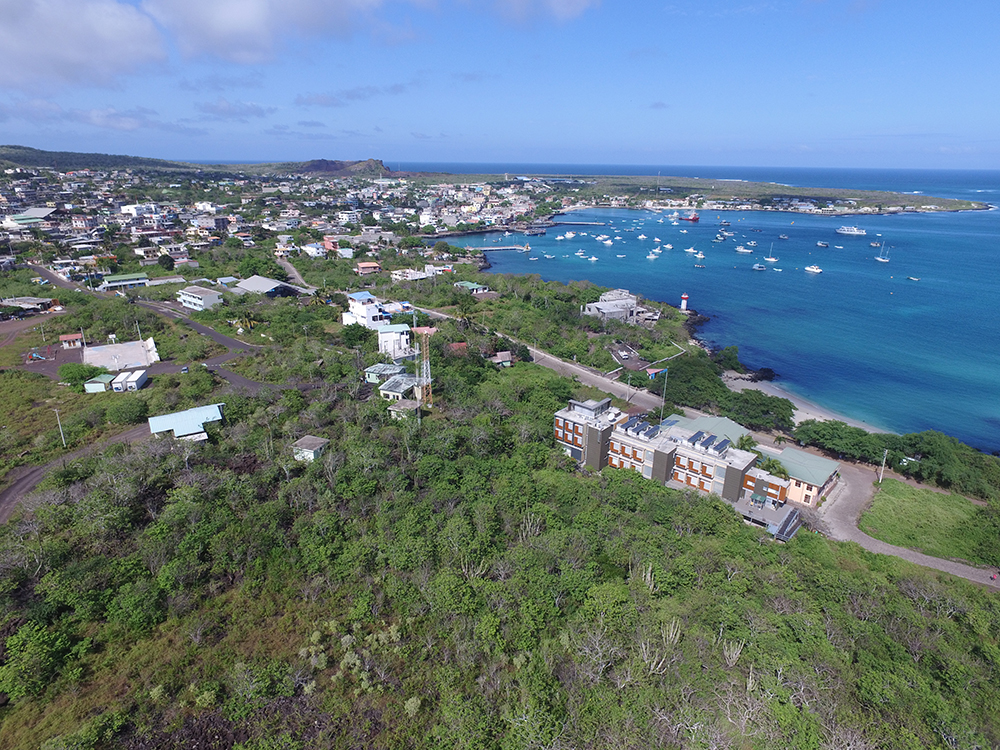
We present an anthropogenic emissions inventory for Santa Cruz, San Cristobal, and Isabela Islands in which emissions were spatially mapped for greenhouse gasses and primary pollutants.
The Scalesia microbiome: uncovering the microbial world that Darwin could not see
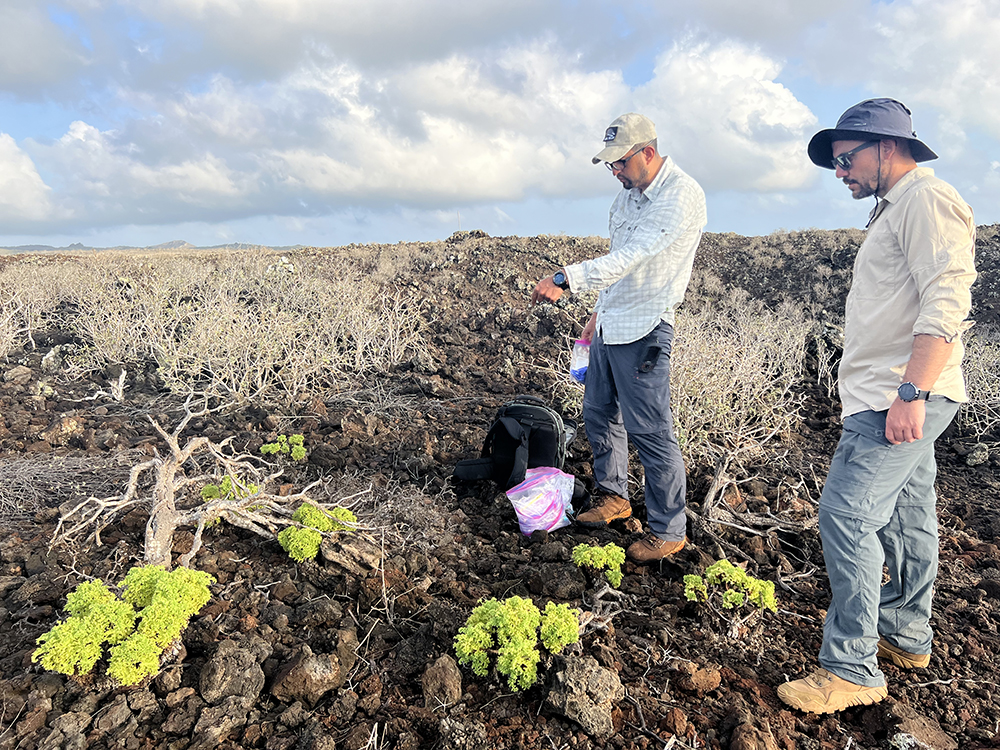
Galápagos keeps inspiring scientists to study the evolution of animal species.The ‘Scalesia Microbiome’ project is pioneering in studying the taxonomic and functional diversity of the microbial communities associated with the Scalesia genus on the Galapagos Islands.
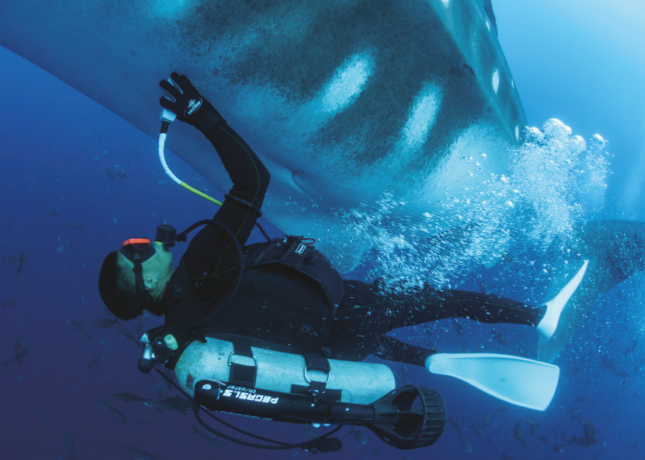
Underwater ultrasonograhy and blood sampling provide the first observations of reproductive biology in free-swimming whale sharks
We report on a non-invasive technique for observing the reproductive states of wild, free-swimming whale sharks Rhincodon typus for the first time.