REACCT+ impulsa el desarrollo sostenible de negocios locales en Galápagos
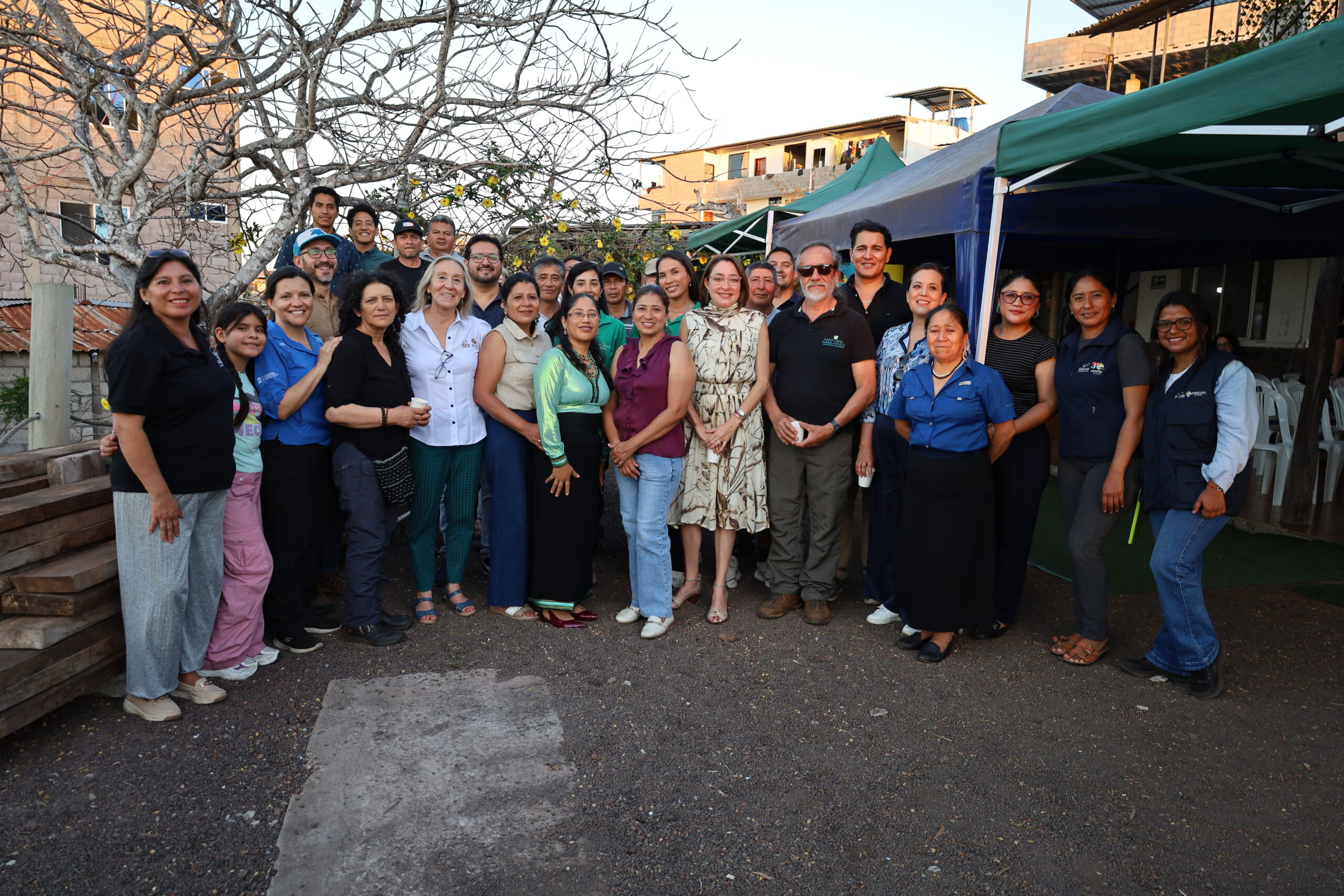
A través del apoyo financiero de universidades y del sector privado, el proyecto REACCT+ fortalece a seis emprendimientos locales en la isla San Cristóbal.
Photo: Joshua Vela

A través del apoyo financiero de universidades y del sector privado, el proyecto REACCT+ fortalece a seis emprendimientos locales en la isla San Cristóbal.

En esta temporada especial, queremos desearte una Feliz Navidad y un próspero Año Nuevo. Te animamos a explorar las noticias, datos y logros que reflejan el esfuerzo conjunto por fortalecer la conservación y promover un desarrollo sostenible en el archipiélago de Galápagos, Patrimonio Natural de la Humanidad.

La Dirección del Parque Nacional Galápagos con el apoyo de la Universidad San Francisco de Quito USFQ, realizó el lanzamiento oficial del “Plan de Manejo para la Conservación y Uso Sostenible del Lobo Marino de Galápagos en la Isla San Cristóbal 2025-2030”.

A través del apoyo financiero de universidades y del sector privado, el proyecto REACCT+ fortalece a seis emprendimientos locales en la isla San Cristóbal.

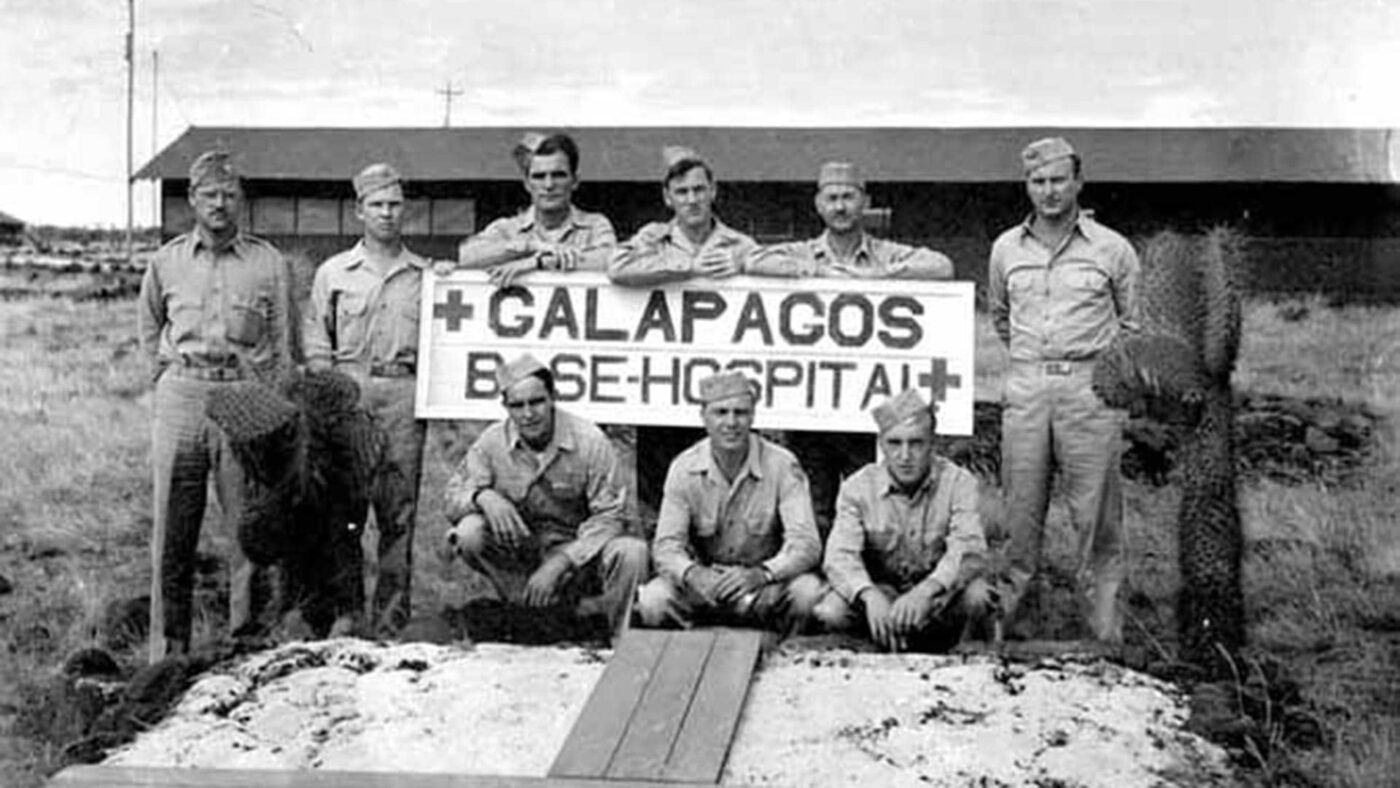
Durante la Segunda Guerra Mundial, la isla Baltra albergó una base militar estadounidense que transformó significativamente su paisaje y ecosistemas. Esta investigación logró reconstruir en 3D esa infraestructura mediante el uso de fotografías históricas, imágenes satelitales y levantamientos con drones, identificando más de 600 estructuras.

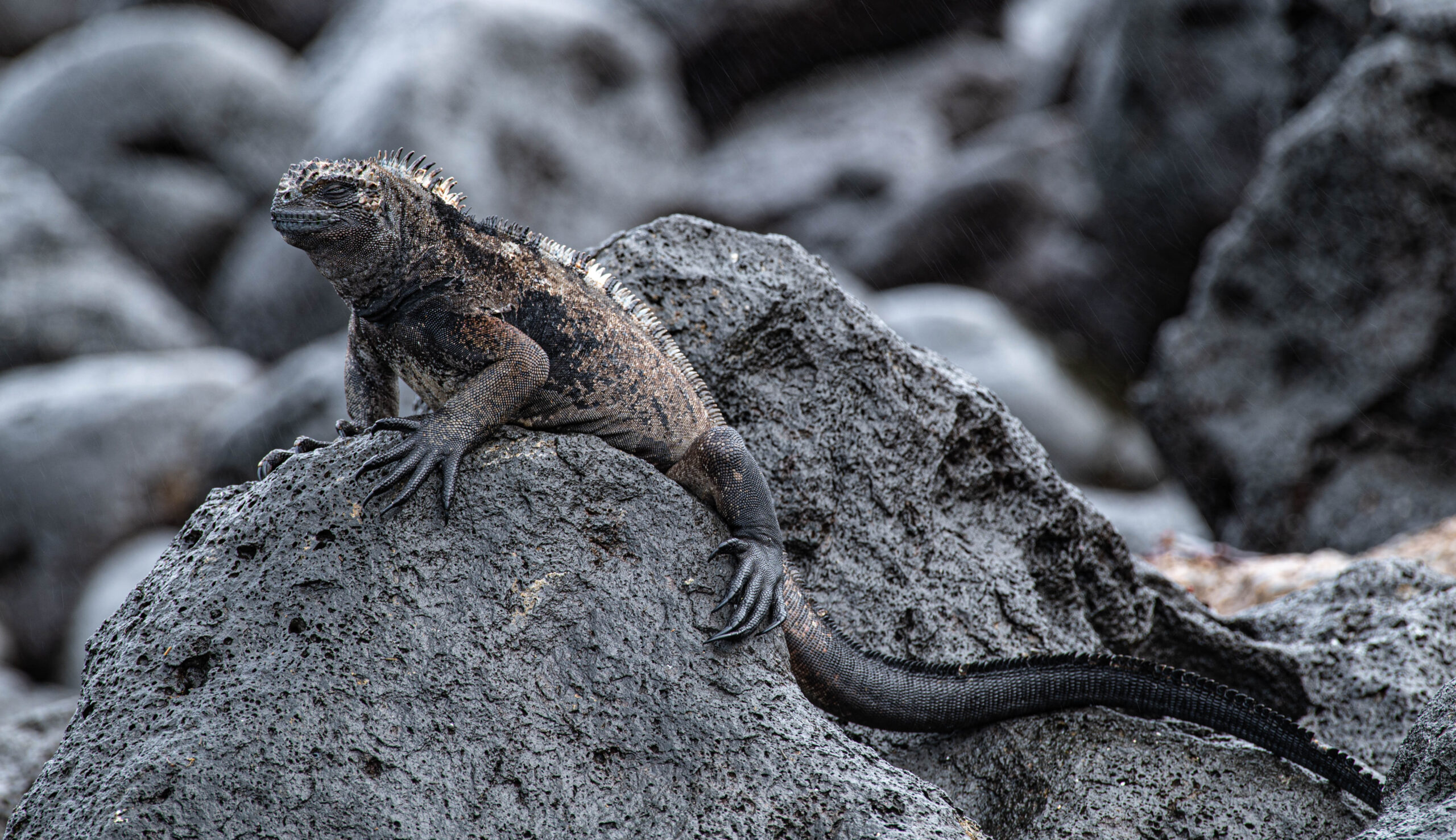
Las iguanas marinas de Galápagos (Amblyrhynchus cristatus) son la única lagartija del mundo que se alimenta en el mar, dependiendo casi exclusivamente de algas. Durante el evento climático de El Niño, el aumento de la temperatura del océano reduce la disponibilidad de este alimento, generando escasez. Esta investigación analiza cómo estos cambios climáticos afectan su fisiología y condición corporal.

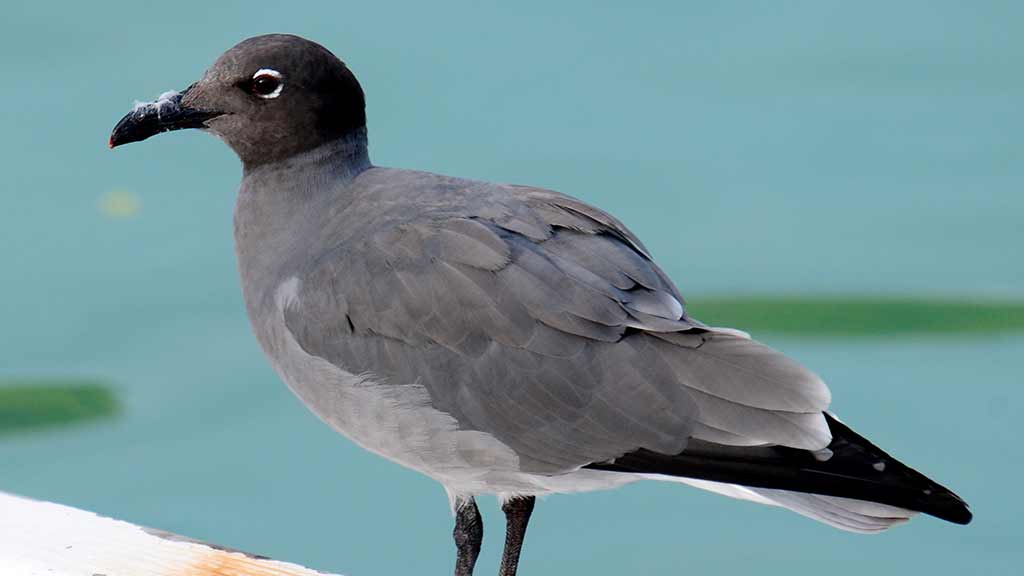
La gaviota de lava (Leucophaeus fuliginosus), especie endémica de Galápagos, es la gaviota más rara del mundo, con una población estimada de 300 a 600 individuos, lo que la convierte en una prioridad de conservación.

During World War II, Baltra Island hosted a U.S. military base that significantly transformed its landscape and ecosystems. This research reconstructed that infrastructure in 3D using historical photographs, satellite imagery, and drone surveys, identifying more than 600 structures.

Marine iguanas of the Galápagos (Amblyrhynchus cristatus) are the only lizard species in the world that feeds in the ocean, relying almost exclusively on algae. During the El Niño climate event, rising ocean temperatures reduce the availability of this food source, leading to periods of scarcity. This research examines how these climatic changes affect their physiology and body condition.

The lava gull (Leucophaeus fuliginosus), an endemic species of the Galápagos Islands, is the rarest gull in the world, with an estimated population of 300 to 600 individuals, making it a conservation priority.

This research examines the challenges faced by the Galápagos Archipelago in the context of post–COVID-19 tourism recovery, as well as the need to balance economic development with the conservation of a highly fragile ecosystem.
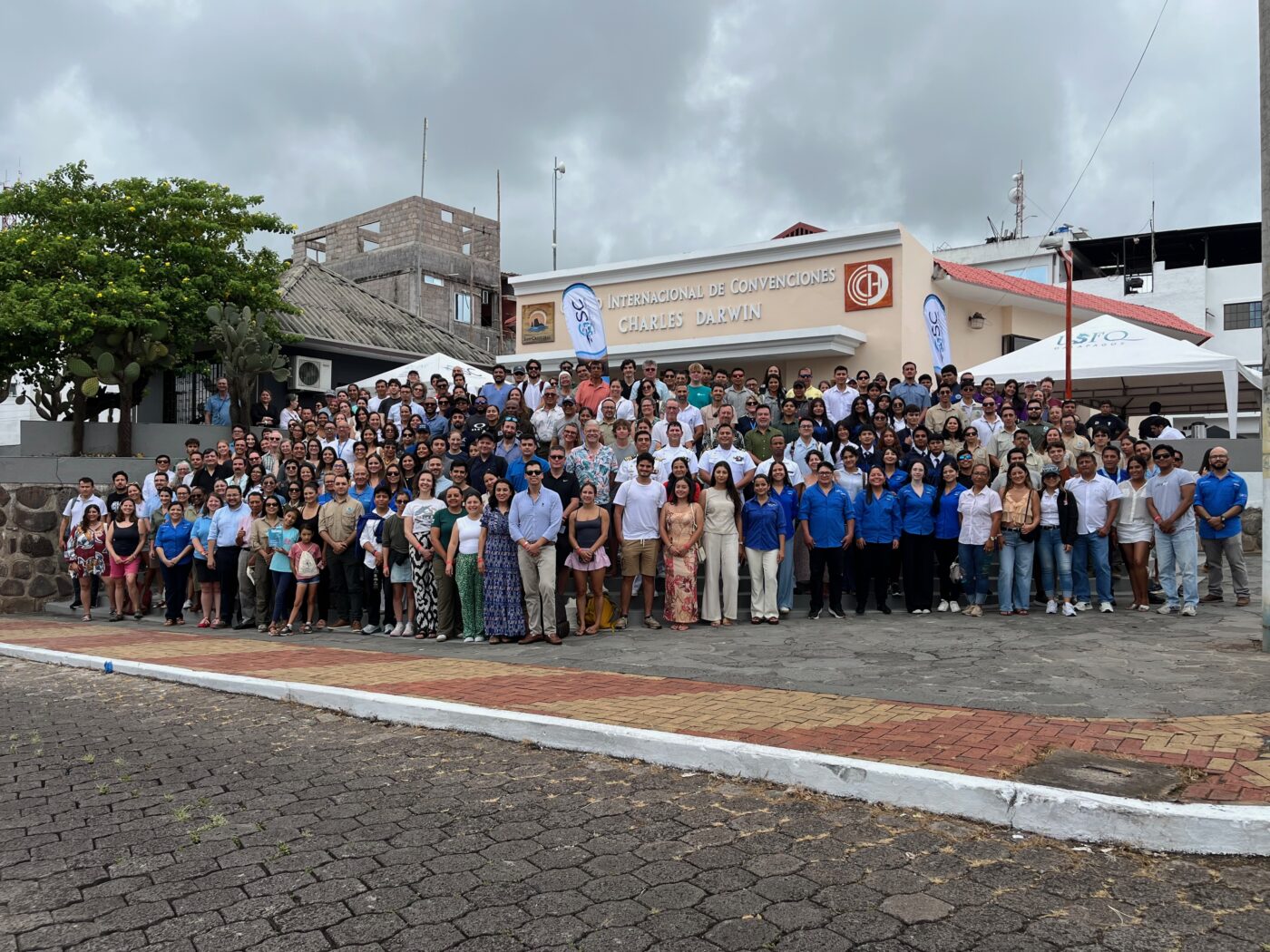
La ciudad de Puerto Baquerizo Moreno, ubicada en la isla San Cristóbal, acogerá la séptima edición del Simposio de Investigación y Conservación en Galápagos. Este destacado encuentro de carácter multidisciplinario tendrá lugar el lunes 14 y martes 15 de julio de 2025, en el Centro de Convenciones Charles Darwin. El evento será organizado por el Galapagos Science Center, con el respaldo de la Universidad de Carolina del Norte en Chapel Hill y la Universidad San Francisco de Quito, y contará con el aval del Parque Nacional Galápagos.
Puerto Baquerizo Moreno, en la isla San Cristóbal, fue la sede del VI Simposio de Investigación y Conservación en Galápagos. Este importante evento multidisciplinario, que se llevó a cabo los días lunes 15 y martes 16 de julio de 2024 en el Centro de Convenciones Charles Darwin, fue organizado por el Galapagos Science Center gracias al auspicio de la Universidad de Carolina del Norte en Chapel Hill y la Universidad San Francisco de Quito, y con el aval del Parque Nacional Galápagos.
Puerto Baquerido Moreno, en la isla San Cristóbal, fue la sede del 5to Simposio de Investigación y Conservación en Galápagos. En este importante evento multidisciplinario, se tuvieron presentaciones científicas y de interés de la comunidad, en las que se expusieron principalmente investigaciones e iniciativas relacionadas con la conservación, cambio ambiental, biodiversidad y océanos, salud e iniciativas comunitarias.
En 2022, el Galapagos Science Center (GSC) y la Iniciativa Galápagos de la UNC y la USFQ celebraron su décimo aniversario. El GSC organizó la Cumbre Mundial sobre Sostenibilidad Insular del 26 al 30 de junio de 2022 en el Centro de Ciencias de Galápagos y el Centro de Convenciones Comunitario en la Isla San Cristóbal.
Puerto Baquerizo Moreno, on San Cristóbal Island, will host the 7th Symposium on Research and Conservation in Galápagos. This important multidisciplinary event, which will take place on Monday, July 14 and Tuesday, July 15, 2025, at the Charles Darwin Convention Center, will be organized by the Galapagos Science Center, thanks to the sponsorship of the University of North Carolina at Chapel Hill and the Universidad San Francisco de Quito, and with the support of the Galápagos National Park.
The 6th Galápagos Research and Conservation Symposium took place on Monday, July 15 and Tuesday, July 16, 2024 at the Charles Darwin Convention Center on San Cristóbal, Galápagos. This important multidisciplinary event was organized by the Galapagos Science Center, with the sponsorship of the University of North Carolina at Chapel Hill and the Universidad San Francisco de Quito with the endorsement of the Galapagos National Park.
Puerto Baquerizo Moreno, on San Cristóbal Island, will host the 5th Galapagos Research and Conservation Symposium. This significant multidisciplinary event will feature scientific presentations and community-focused talks, showcasing research and initiatives related to conservation, environmental change, biodiversity and oceans, health, and community initiatives.
In 2022, the Galapagos Science Center (GSC) and the broader UNC & USFQ Galapagos Initiative celebrated its 10th Anniversary. The GSC hosted the World Summit on Island Sustainability on June 26–30, 2022 at the Galapagos Science Center and the Community Convention Center on San Cristobal Island.
In 2022, the Galapagos Science Center (GSC) and the broader UNC & USFQ Galapagos Initiative will celebrate its 10th Anniversary. We are proud to announce the World Summit on Island Sustainability scheduled to be held on June 26–30, 2022 at the Galapagos Science Center and the Community Convention Center on San Cristobal Island.
The content of the World Summit will be distributed globally through social media and results documented through papers published in a book written as part of the Galapagos Book Series by Springer Nature and edited by Steve Walsh (UNC) & Carlos Mena (USFQ) as well as Jill Stewart (UNC) and Juan Pablo Muñoz (GSC/USC). The book will be inclusive and accessible by the broader island community including scientists, managers, residents, tourists, and government and non-government organizations.
While the most obvious goal of organizing the World Summit on Island Sustainability is to celebrate the 10th Anniversary of the GSC and the UNC-USFQ Galapagos Initiative, other goals will be addressed through special opportunities created as part of our operational planning of the World Summit.
For instance, we seek to elevate and highlight the Galapagos in the island conservation discourse, seeking to interact with other island networks in more obvious and conspicuous ways to benefit the Galapagos Islands, the UNC-USFQ Galapagos Initiative, and the world. We will seize the opportunity to further develop the I2N2 – International Islands Network-of-Networks. Further, we wish to highlight and emphasize multiple visions of a sustainable future for the Galapagos Islands and we cannot do this alone. Therefore, engaging the Ecuadorian Ministry of Environment, the Ministry of Tourism, the Government Council of Galapagos, the Galapagos National Park, and local Galapagos authorities, including government and non-government organizations and local citizen groups, is imperative.
Borrowing from Hawaii’s and Guam’s Green Growth Program and the Global Island Partnership, we wish to examine existing global programs that emphasize island sustainability and their incorporation into life, policies, and circumstances in the Galapagos Islands. We will also seek to enhance our connections with the institutional members of our International Galapagos Science Consortium and expand the Consortium through the recruitment of other member institutions. We will also work to benefit islands and their local communities by working with citizen groups as well as important NGOs who seek to improve the natural conditions in the Galapagos and diminish the impact of the human dimension on the future of Galapagos’ ecosystems.
Lastly, we will use the World Summit to benefit UNC & USFQ and our constituencies through a strong and vibrant communication plan about the World Summit, creating corporate relationships as sponsors, identifying funding goals through donors, and benefiting our study abroad program for student engagement in the Galapagos Islands. We plan to develop and issue a Galapagos Sustainability Communique after the World Summit that includes the vision and insights of all its participants for a sustainable Galapagos with applicability to global island settings.
We are eager to hear your perspective and have you join us at the World Summit on Island Sustainability!