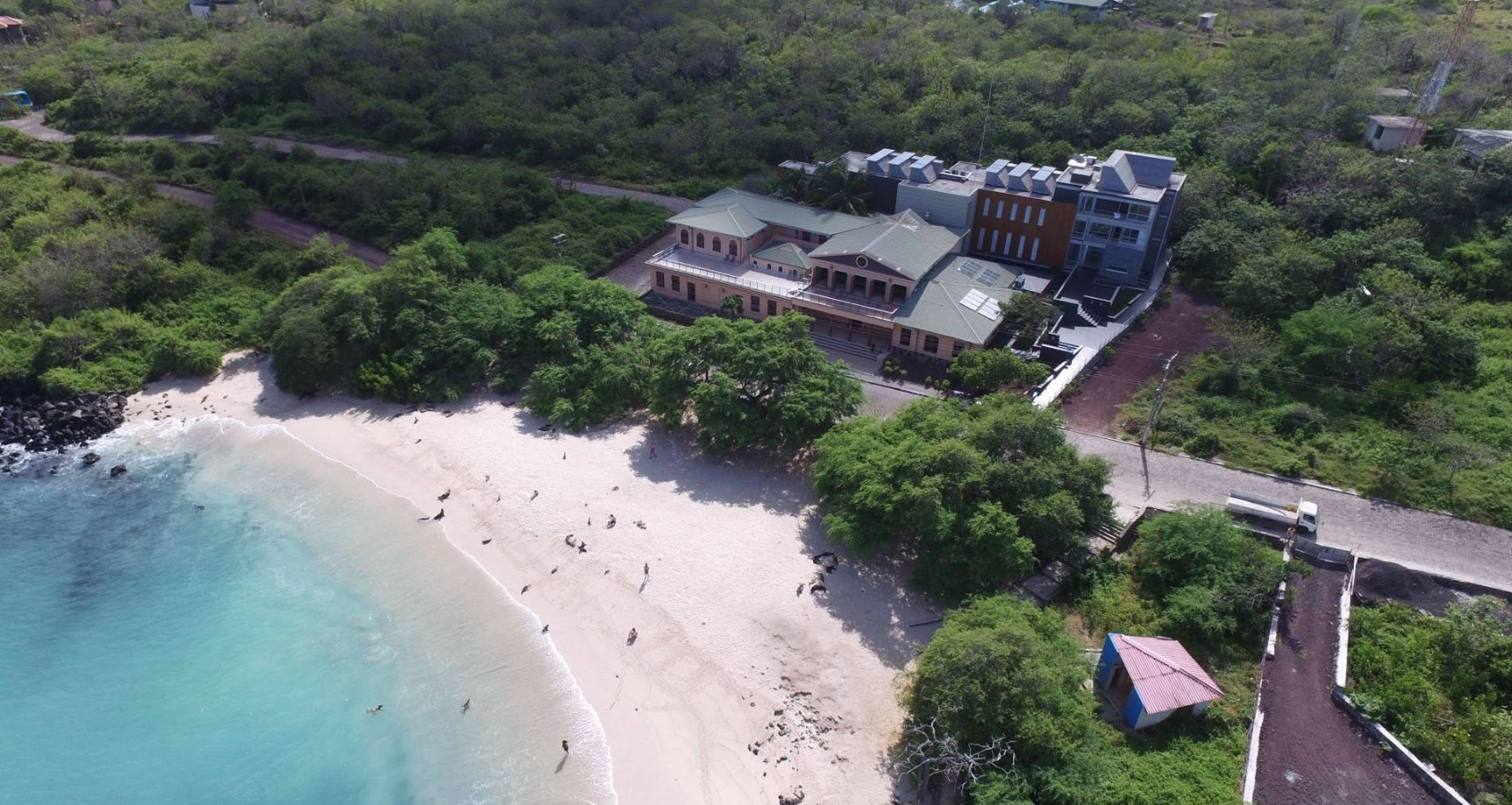
Health status of the red-billed tropicbird (Phaethon aethereus) determined by hematology, biochemistry, blood gases, and physical examination

The baseline data, and reference intervals reported in this paper are essential to detecting changes in the health of this seabird in the future.
Movement and vertical habitat use of yellowfin tuna Thunnus albacares in a vertical compressed habitat: the Galápagos Marine Reserve
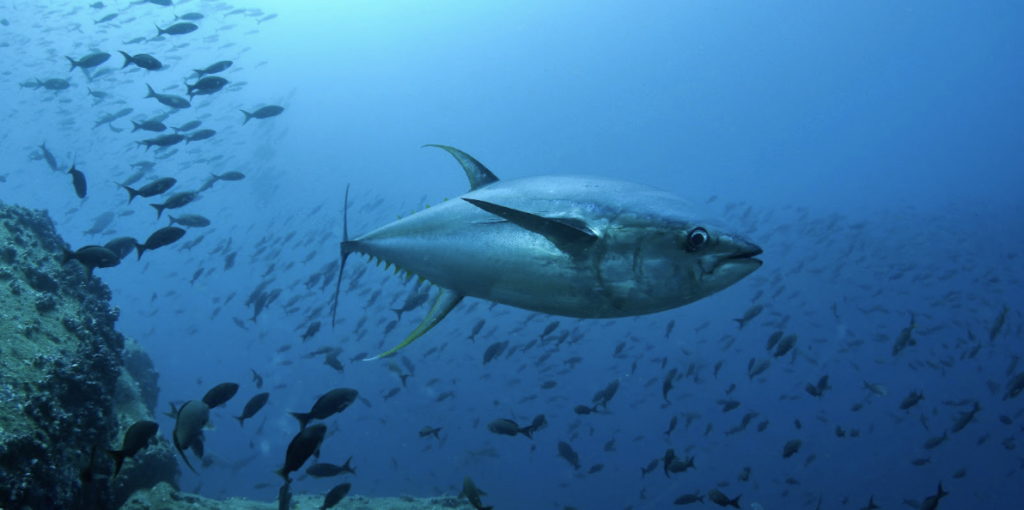
Tropical pelagic predators are exploited by fisheries and their movements are influenced by factors including prey availability, temperature, and dissolved oxygen levels.
When the Archaeologists Leave
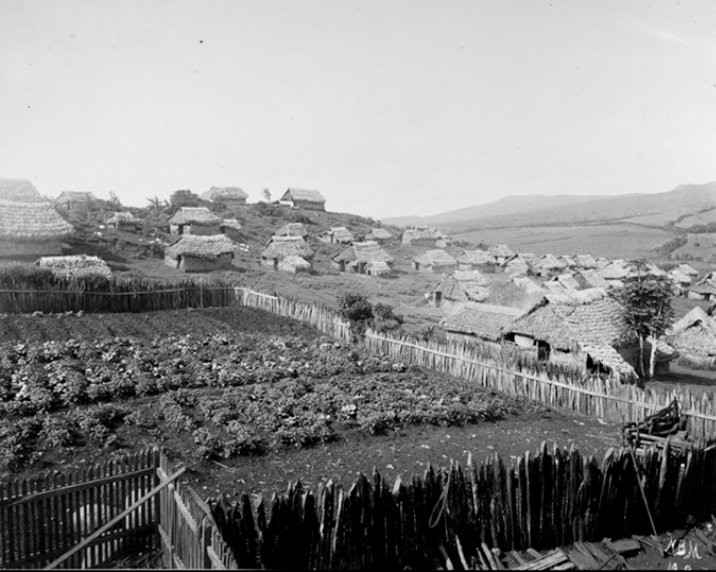
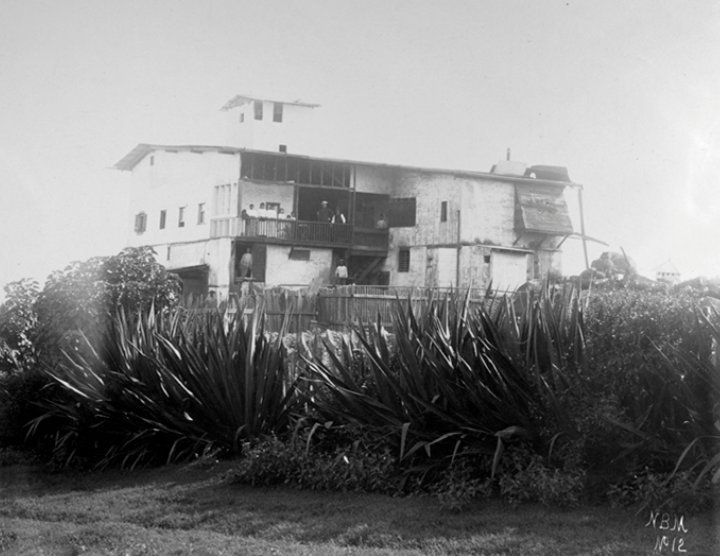
The Hacienda El Progreso functioned as an agro-industrial enterprise in the late nineteenth century. Operating out of San Cristóbal Island in the Galápagos archipelago, the plantation exported refined sugar, coffee, cattle products, and other goods to national and international markets. The plantation established the first permanent human settlement on the island.
Evaluation of the Rapid Phytolith Extraction Protocol to Identify the Fuel-mix Used at the Nineteenth-century Sugar Mill of El Progreso Plantation, Galápagos
Phytoliths analysis was applied to identify the fuel compound used at the sugar mill of El Progreso plantation.
What Darwin could not see: island formation and historical sea levels shape genetic divergence and island biogeography in a coastal marine species
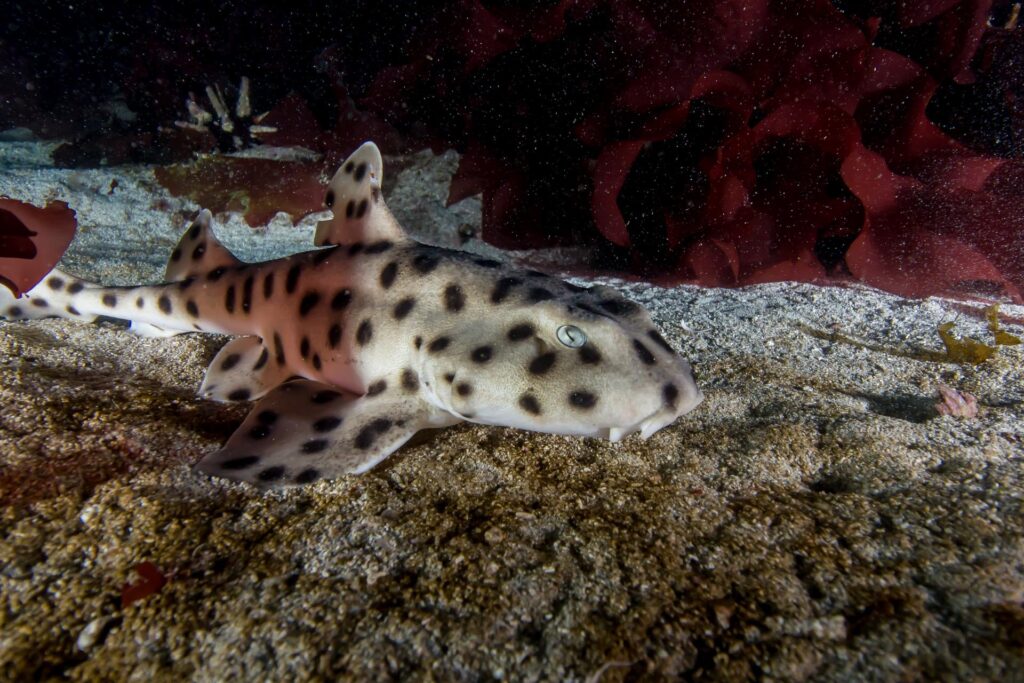
Oceanic islands play a central role in the study of evolution and island biogeography.
Genomic evidence for homoploid hybrid speciation in a marine mammal apex predator
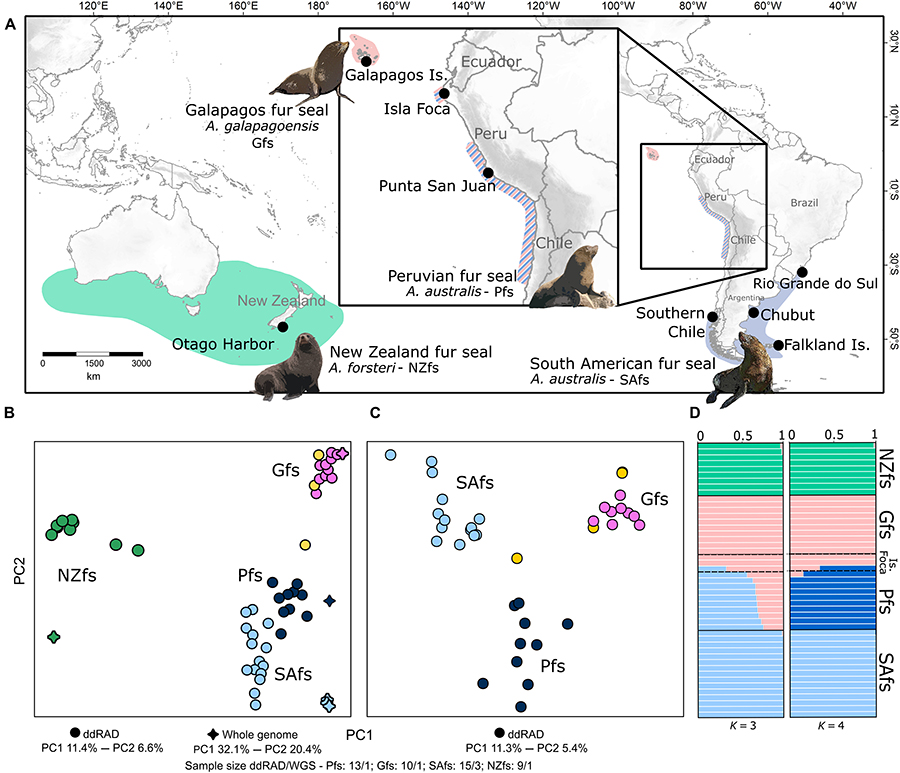
Hybridization is widespread and constitutes an important source of genetic variability and evolution. In animals, its role in generating novel and independent lineages (hybrid speciation) has been strongly debated, with only a few cases supported by genomic data.
Anthropogenic emission inventory and spatial analysis of greenhouse gases and primary pollutants for the Galapagos Islands
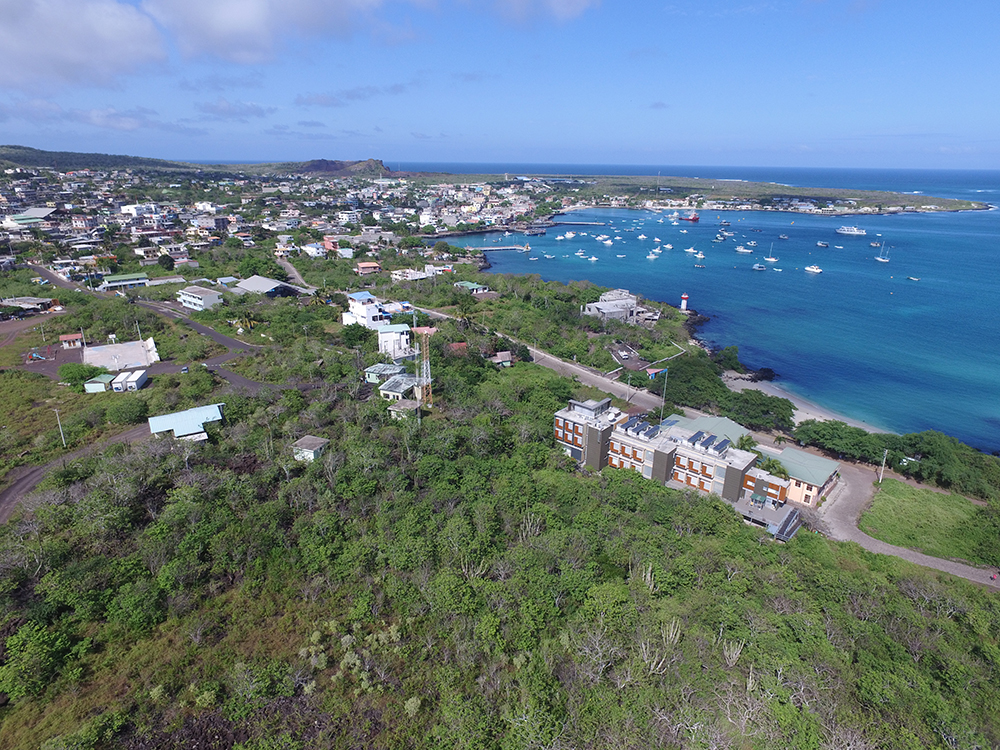
We present an anthropogenic emissions inventory for Santa Cruz, San Cristobal, and Isabela Islands in which emissions were spatially mapped for greenhouse gasses and primary pollutants.
Underwater ultrasonograhy and blood sampling provide the first observations of reproductive biology in free-swimming whale sharks
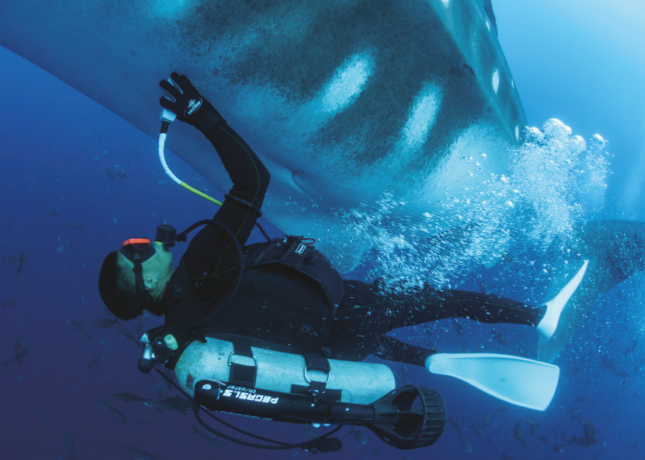
We report on a non-invasive technique for observing the reproductive states of wild, free-swimming whale sharks Rhincodon typus for the first time.
Species associated with whale sharks in the Galapagos Archipelago
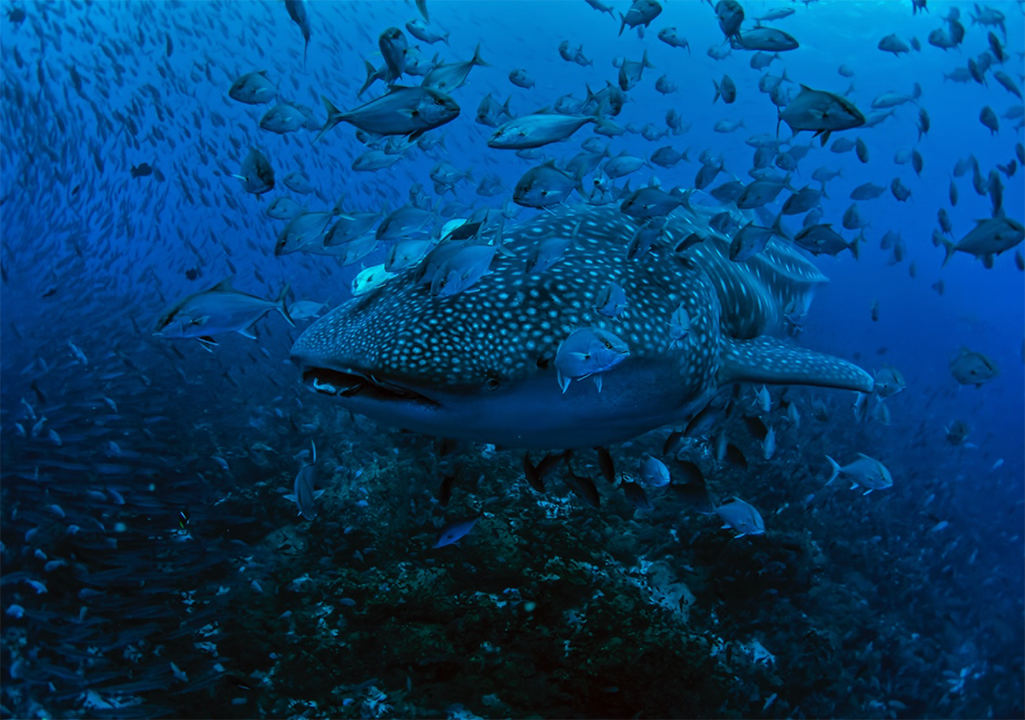
Whale sharks Rhincodon typus frequently appear to interact or associate with other species, which vary depending on the community structure and the demographic of the whale sharks at each location globally. we present the species sighted frequently around whale sharks in the Galapagos Archipelago
A pilot study to estimate the population size of endangered Galápagos marine iguanas using drones
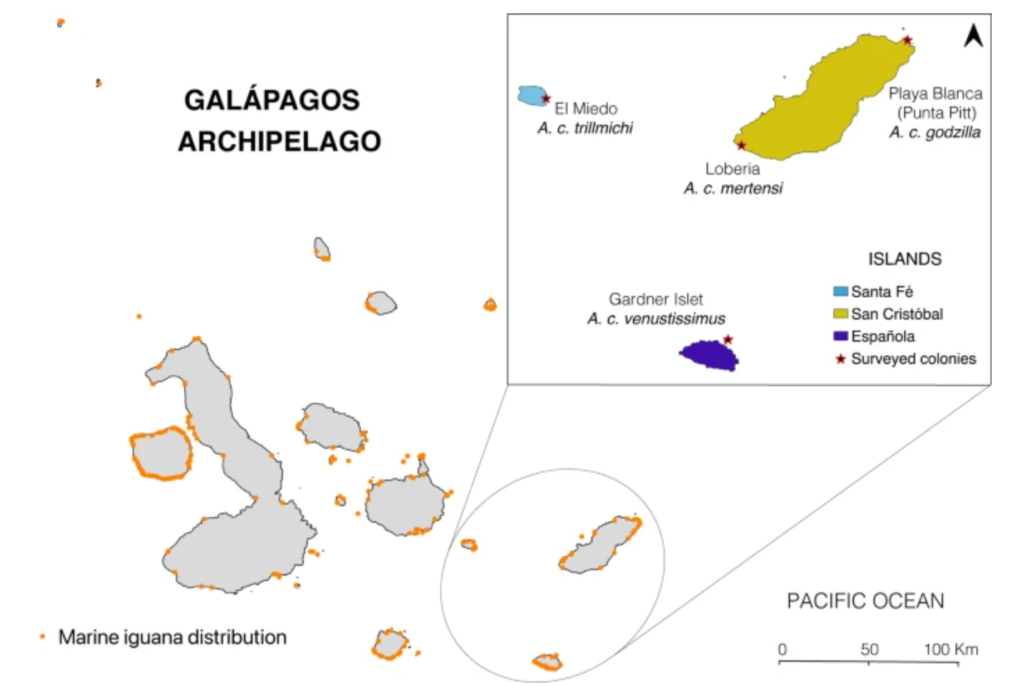
Large-scale species monitoring remains a significant conservation challenge. Given the ongoing biodiversity crisis, the need for reliable and efficient methods has never been greater.