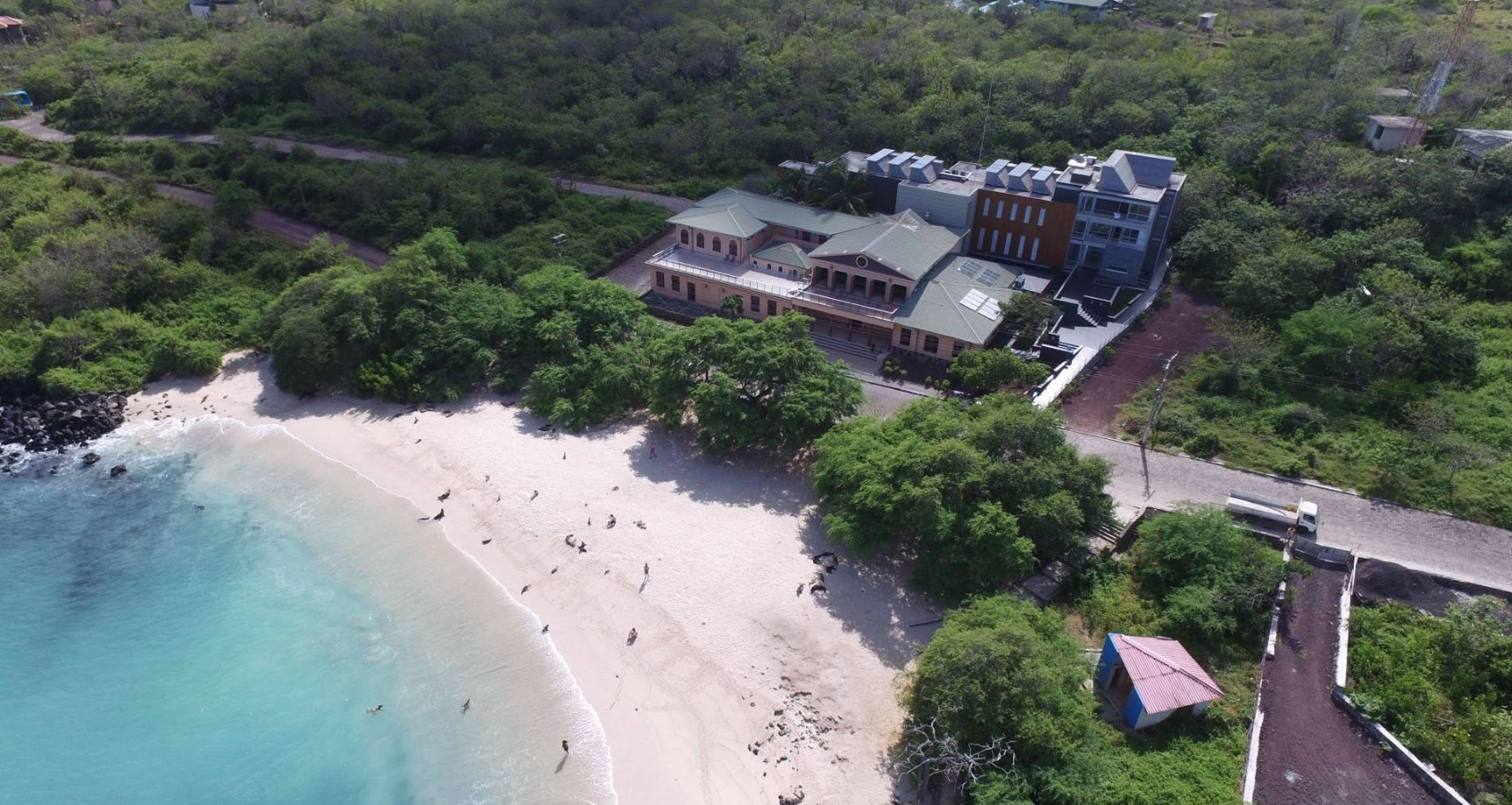
Regional divergence in the skull morphometry of adult male Galapagos sea lion
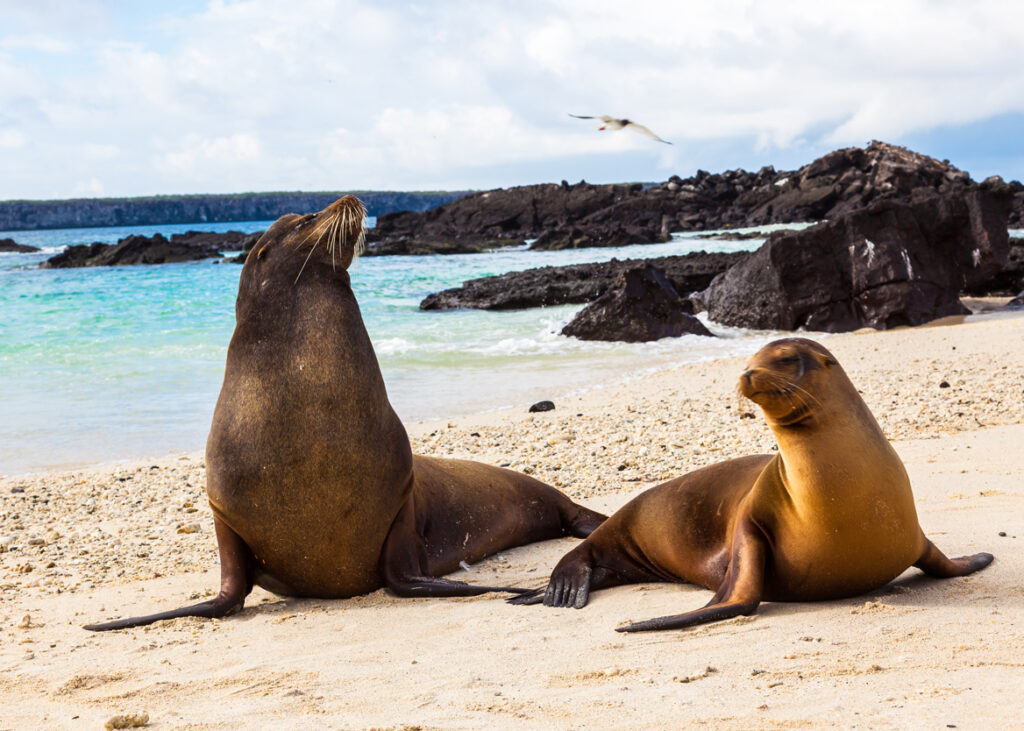
With great pride, USFQ Galapagos and the GSC want to share the access link to the article “Regional divergence in the cranial morphometry of an adult male Galapagos sea lion” recently published in the academic journal “Journal of Mammalogy”.
Shipping poses significant threat to the endangered whale shark
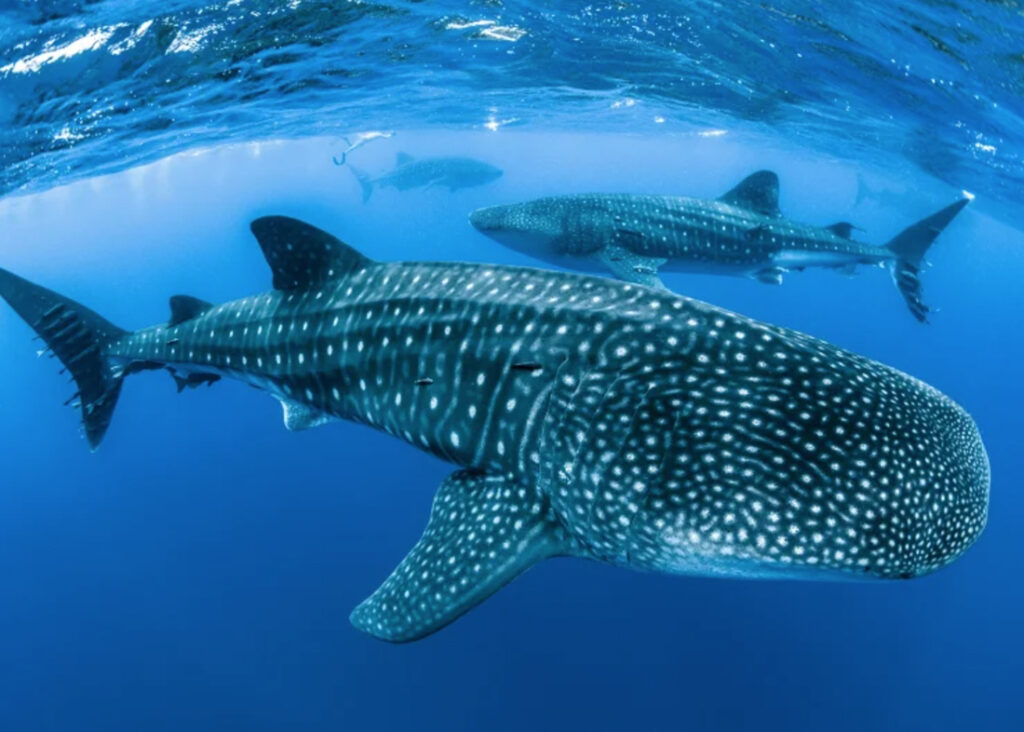
Marine biologists from the Marine Biological Association (MBA) and the University of Southampton have led ground-breaking research which indicates that lethal collisions of whale sharks with large ships are vastly underestimated, and could be the reason why populations are falling.
Emergent research and priorities for shark and ray conservation
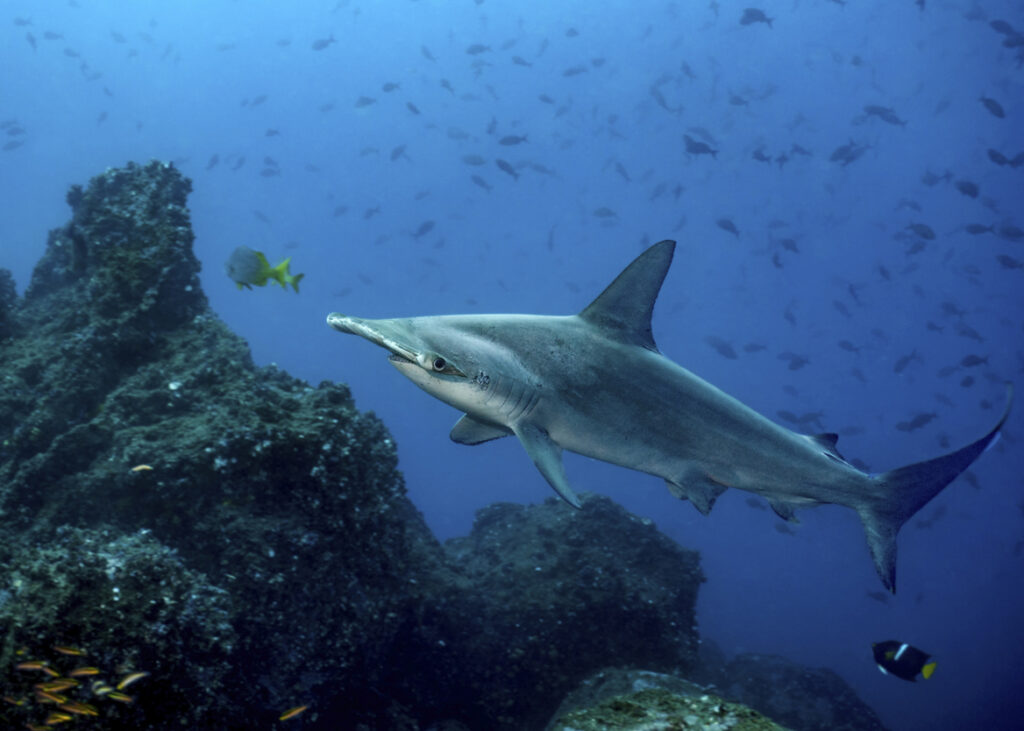
During the last 4 decades there has been a growing concern about the conservation status of elasmobranchs (sharks and rays). Read the following article and find out about the research carried out by several authors, including Diana Pazmiño, professor at USFQ Galapagos and researcher at the #GSC.
Fish diversity patterns along coastal habitats of the southeastern Galapagos archipelago and their relationship with environmental variables
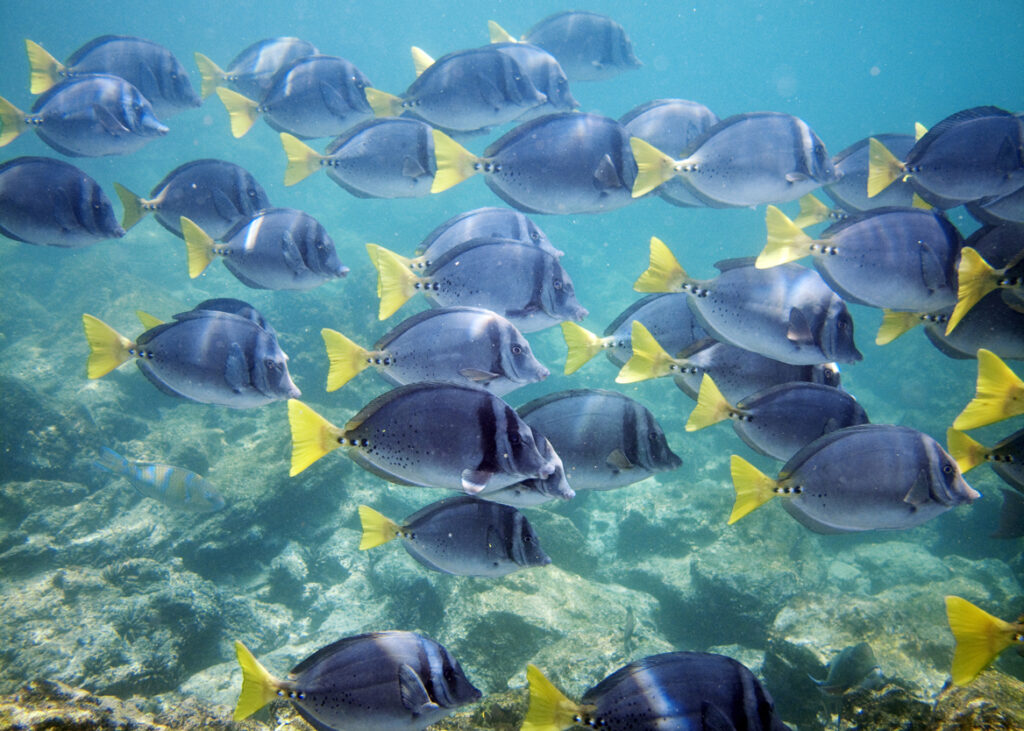
Published in Scientific Reports March 04, 2022
Marine barriers regulate the genetic exchange of sharks and rays
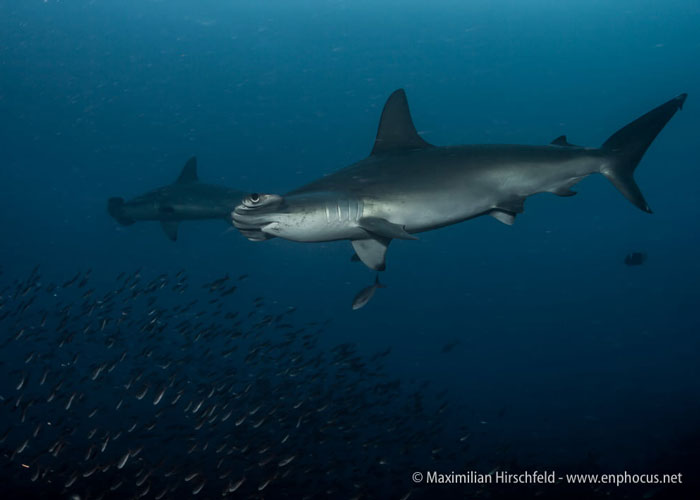
Have you ever heard of elasmobranchs? Well, they are sharks and rays that are found distributed in the seas around the world. Elasmobranchs live in different habitats, from tropical reefs to deep polar waters, which makes them very interesting species for scientific research.
The time is now to tackle climate change
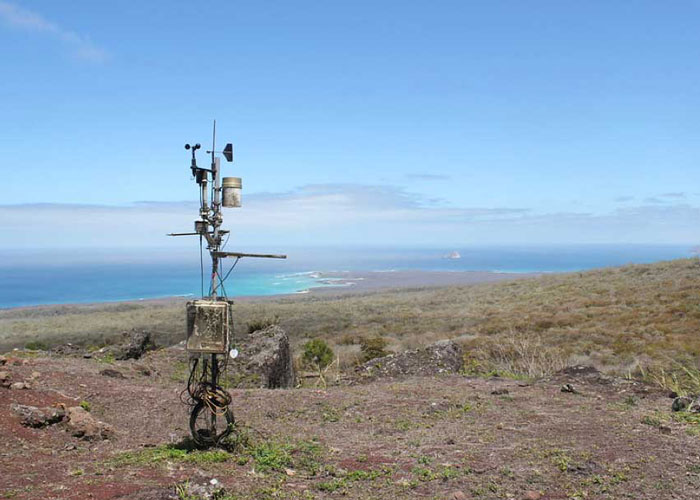
Historically, the Galapagos Islands have been used for studies in a variety offields. However, when we talk about climate change and its repercussions on ecosystems, population, and infrastructure of the islands, little is known. This research confirms that knowing the different trends of climate change is of utmost importance.
Declines and recovery in endangered Galapagos pinnipeds during the El Niño Event
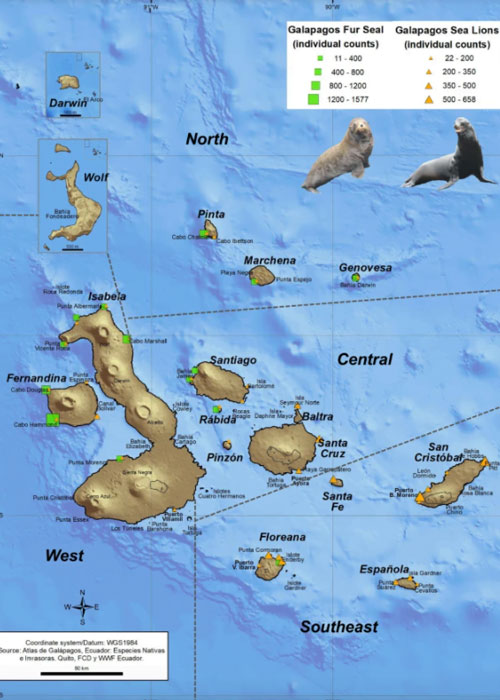
Our researchers Diego Páez- Rosas and Majorie Riofrío with Adrian Marchetti and Harvey Seim researchers from UNC-Chapel Hill, and Eduardo Espinosa and Jorge Torres from the Galapagos National Park Directorate, presented their work called “Declines and recovery in endangered Galapagos pinnipeds during the El Niño Event”
Microbiological studies detect Mycoplasma in Galapagos sea lions
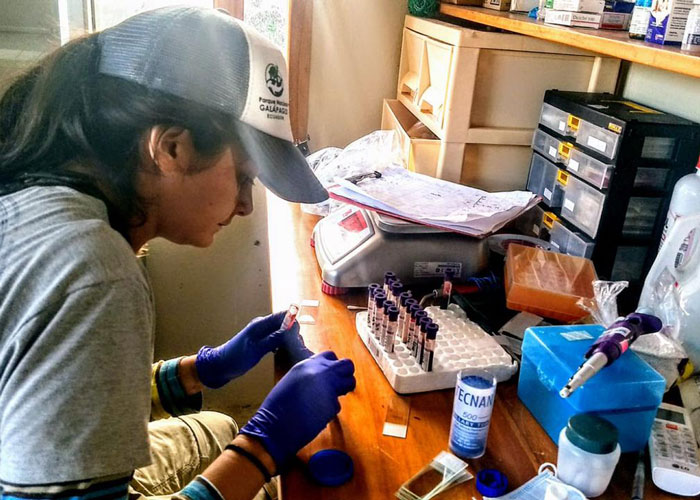
A few days ago Galapagos Science Center (GSC) researchers Soledad Sarzosa and Diego Páez-Rosas, together with several renowned researchers, published their work called “Appearance of mycoplasmas in Galapagos sea lions (Zalophus wollebaeki) and its association with other respiratory pathogens.”
Exploring prenatal stress and its influence on maternal placental physiology and infant development in Galapagos

This paper looked at 24 mothers and infants in Galapagos and highlights how prenatal stress influences maternal placental physiology and infant development. To our knowledge, this is one of the first studies of this kind.
Darwin and Wolf, The home of the Vampire Finches
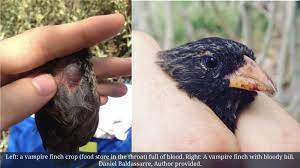
Jaime Chaves, professor at the Universidad San Francisco de Quito and a researcher at the Galapagos Science Center (GSC), has been studying finches in the Galapagos Islands for several years. A few days ago, along with Kiyoko Gotanda and Daniel Baldassarre, he published the article titled, “Vampire finches: how Galapagos birds evolved to drink blood” in the digital magazine, The Conversation.