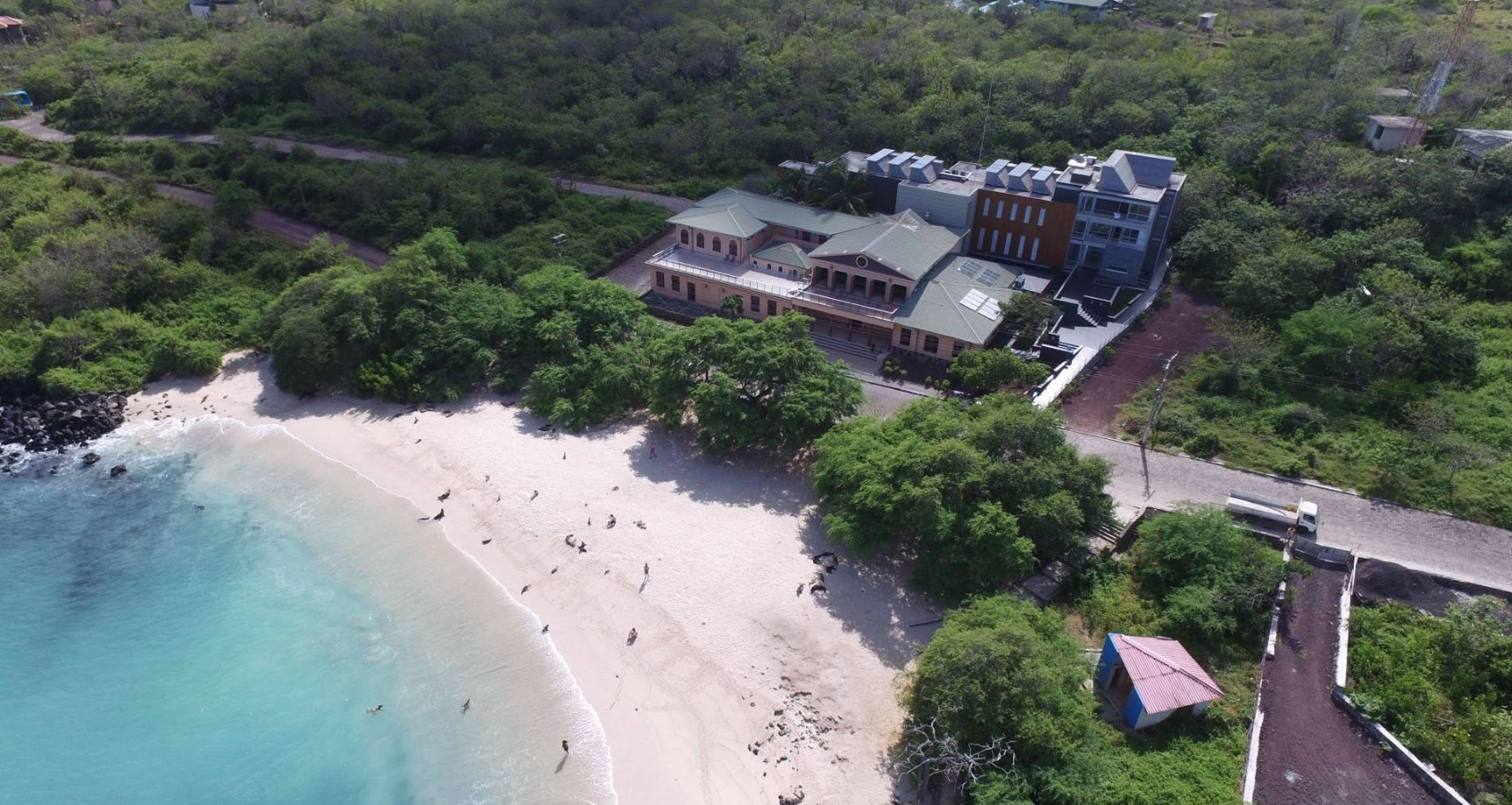
Canine vector-borne parasites in the Galapágos

Endemic species of the Galápagos Islands are vulnerable to newly introduced pathogens, often transmitted through invasive hosts. One example is invasive parasitic arthropods, whose evolutionary success is linked to their association with domestic animals present in the archipelago. This interaction poses a significant risk, as these parasites can switch hosts and facilitate pathogen transmission between domestic and wild species.
2024 Christmas Newsletter and Annual Impact Report
This year, we celebrate 13 years of impactful work in conservation, research, and sustainable development in the Galápagos Islands. In our newsletter and annual impact report, we invite you to explore how we have contributed to preserving this natural heritage through scientific expeditions, innovative digital tools, and health and education programs. Explore the latest advancements, scientific findings, and inspiring stories from 2024 Don’t miss out—join us on our journey toward a more sustainable Galápagos!
Nutrient enrichment can increase the thermal performance of Galápagos seaweeds
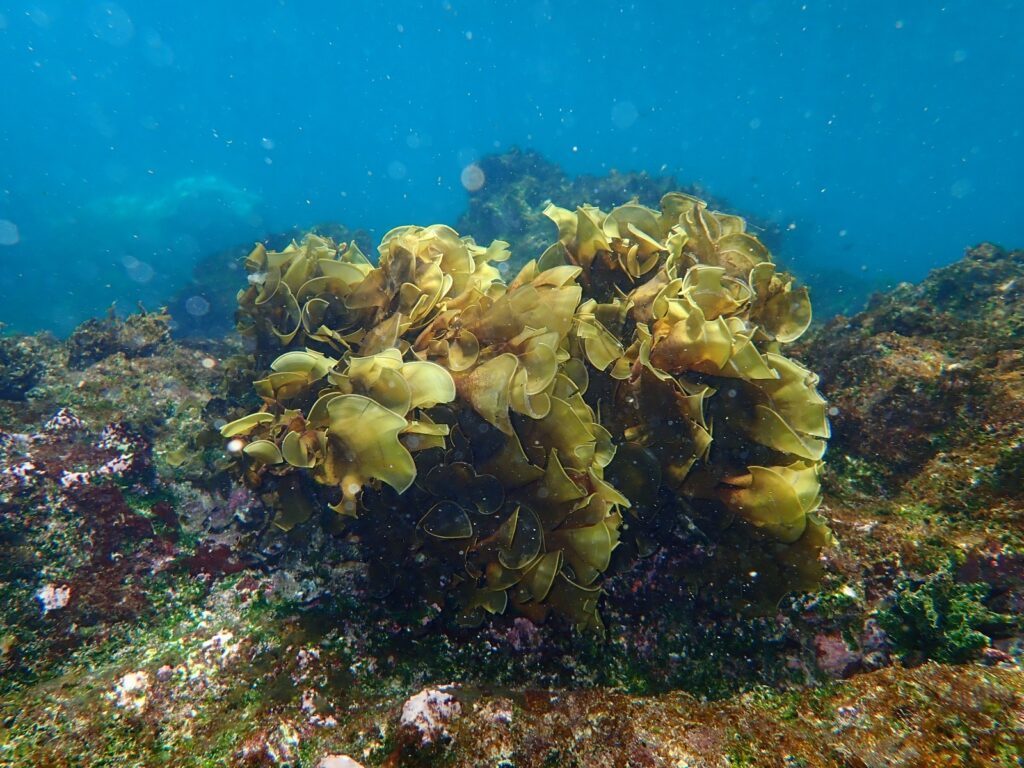
This study, published in Marine Ecology Progress Series, examines how nutrient availability can help marine macroalgae in the Galápagos Islands better adapt to higher temperatures—a challenge they face due to climate change. Macroalgae are essential aquatic plants for marine ecosystems as they provide food and shelter for many species. However, their ability to survive and thrive largely depends on environmental conditions, such as the amount of nutrients in the water.
Ladybird Beetle Diversity in Natural and Human-Modified Habitats in the San Cristóbal Island, Galápagos, Ecuador
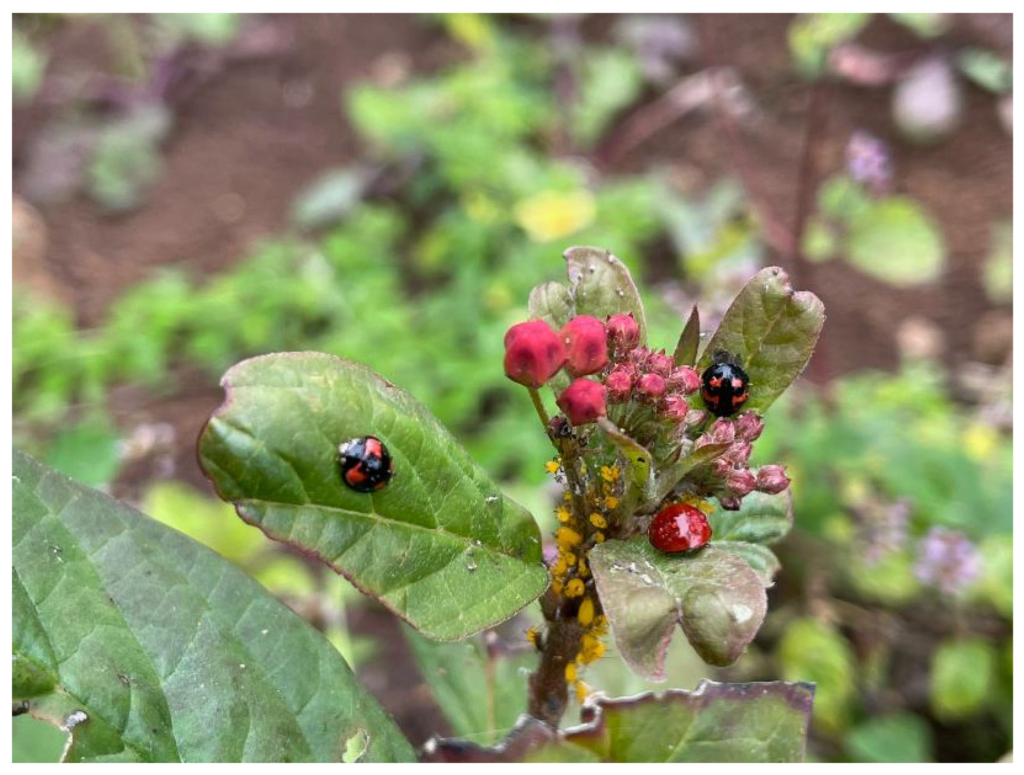
This study investigates the diversity of ladybird beetles (Coccinellidae) on San Cristóbal Island in the Galápagos Archipelago. Researchers recorded 19 species, including four previously documented (two endemic and two native) and nine potentially native species reported for the first time. Endemic species, such as Psyllobora bisigma and Scymnobius scalesius, were rare and confined to native forests, while native species like Cycloneda sanguinea showed adaptability to various habitats, including urban and agricultural areas.
Assessing the chemical landscape of the Galápagos Marine Reserve
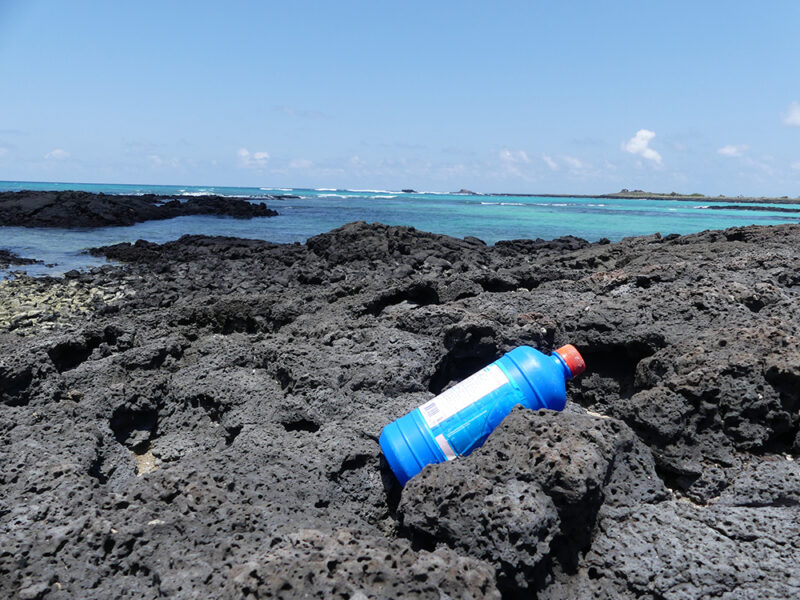
The Galápagos Marine Reserve (GMR), famous for its incredible biodiversity, faces growing threats from chemical pollution like plastics, oils, pesticides, and heavy metals. The unique location of the Galápagos, where major ocean currents meet under intense sunlight, allows pollutants to flow in and spread.
Galapagos Day: Inspiring Research and Engagement

UNC Center for Galapagos Studies and the Galapagos Science Center recently hosted its first Galapagos Day on UNC-Chapel Hill’s campus titled Galapagos Day: Building Healthy Ecosystems on a Changing Planet. This event successfully brought together global researchers, students, and staff from UNC-Chapel Hill (UNC), the Universidad San Francisco de Quito (USFQ), NC State University, and the Galapagos Science Center to share about their impactful work in Galapagos and relevant opportunities for collaboration, training, outreach, and student engagement moving forward.
Small Business, Big Impact: The Role of SMEs in Galápagos Conservation

This article explores the fundamental role that small and medium-sized enterprises (SMEs) play in environmental conservation in the Galapagos Islands, a UNESCO World Heritage site.
UNC Center for Galapagos Studies receives support from Royal Caribbean Group to enhance local programs and student experiences

The UNC Center for Galapagos Studies has received a $600,000 contribution from Royal Caribbean Group to support research and learning initiatives, enabling the expansion of research projects, community outreach programs and student engagement. The UNC Center for Galapagos Studies partners with the Universidad San Francisco de Quito (USFQ) to operate the Galapagos Science Center, located on San Cristobal Island. It is the only university science facility of its kind in the archipelago.
Multidecadal underwater surveys reveal declines in marine turtles in the eastern tropical pacific
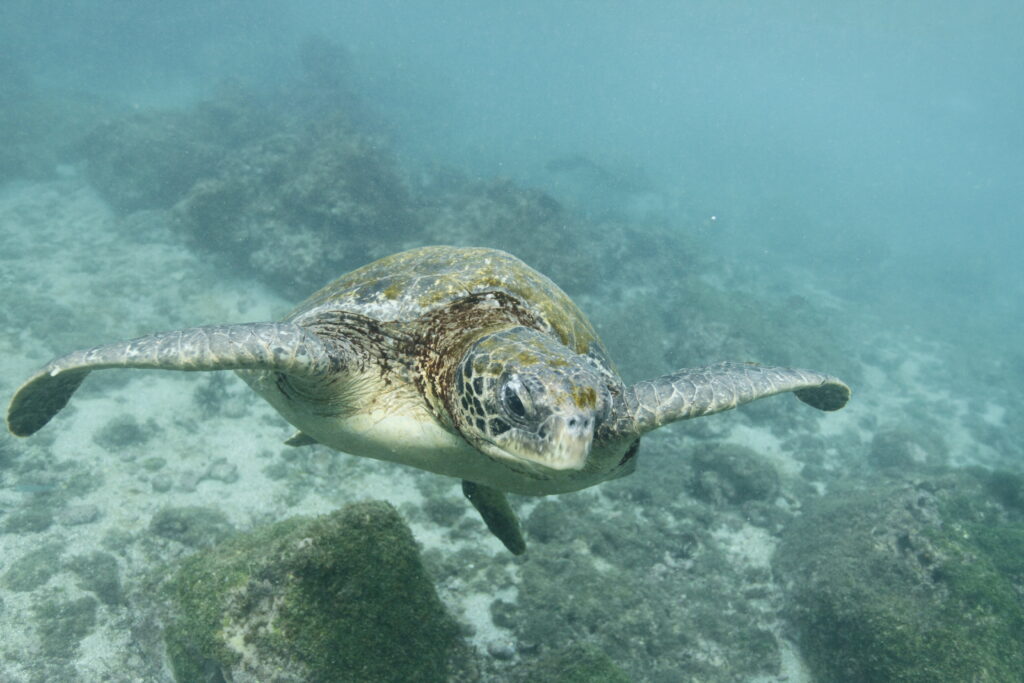
A recent study has revealed an alarming decline in marine turtle populations in the Eastern Tropical Pacific. This research, based on over 35,000 dives conducted at Cocos Island, Costa Rica, over a period of 26 years, provides deep insights into the vulnerability of turtles to environmental pressures and predators.
First Records of Hawksbill Sea Turtle (Eretmochelys imbricata) Connectivity Between the Galápagos Islands and Continental Ecuador
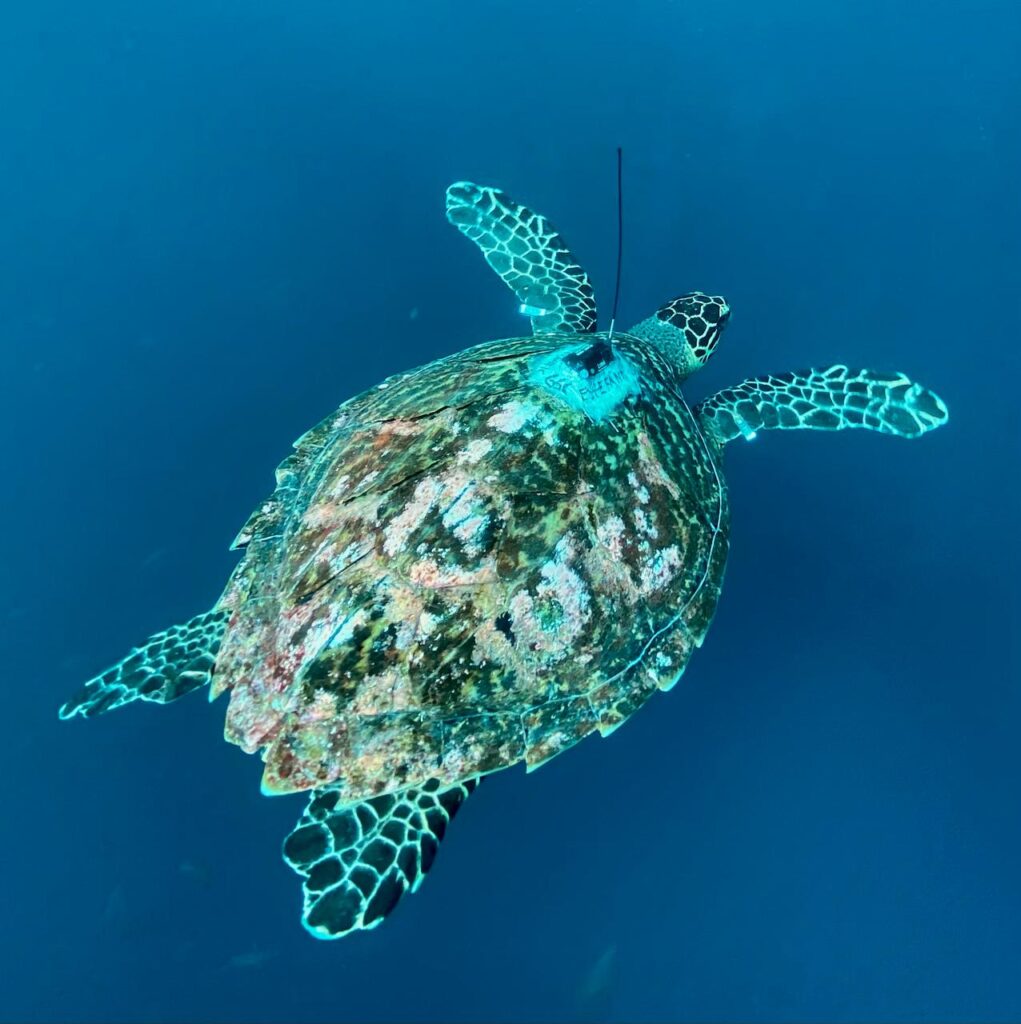
This study presents the first records of connectivity between hawksbill sea turtles (Eretmochelys imbricata) in the Galápagos Islands and mainland Ecuador.