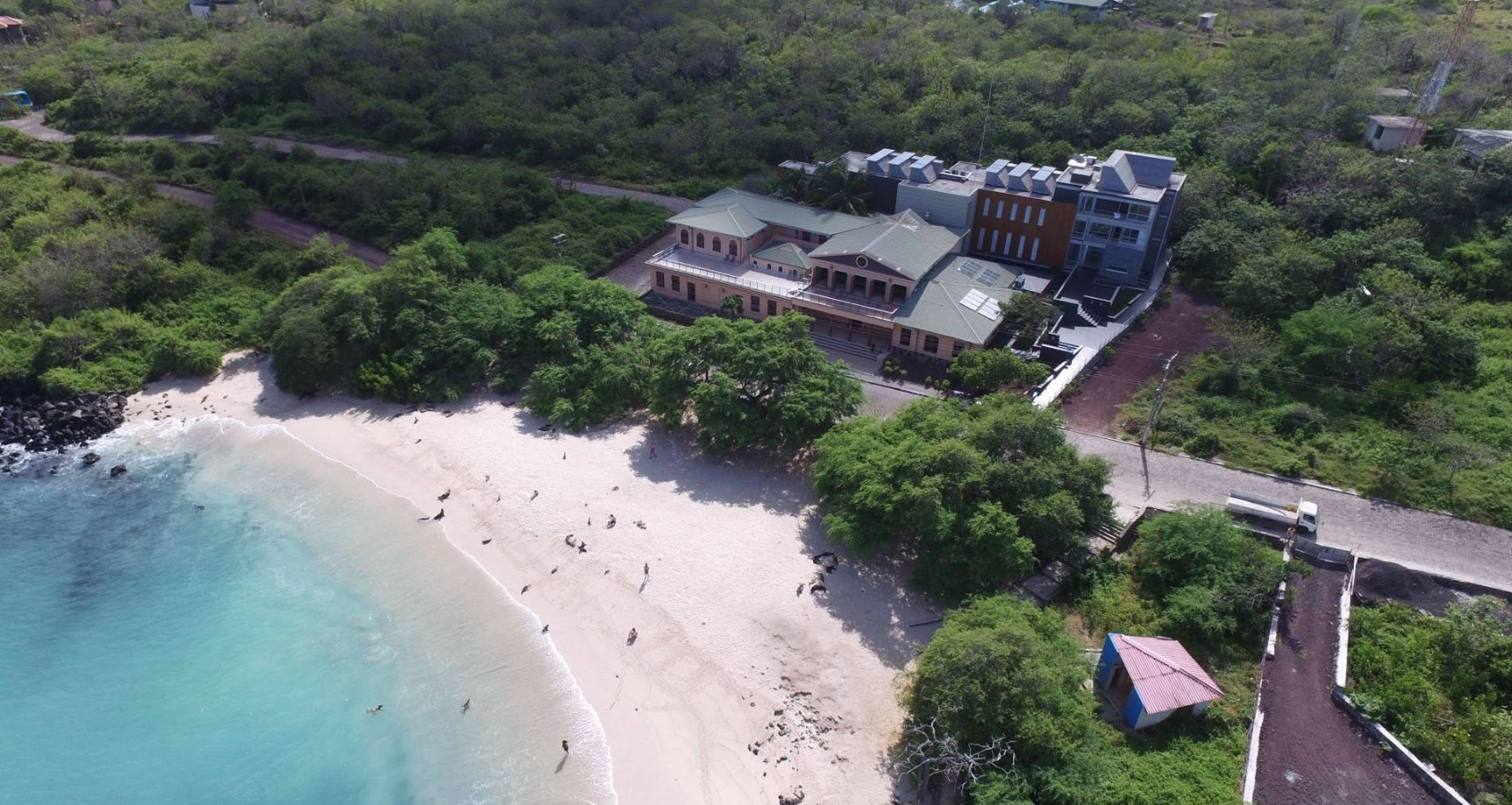
USFQ Drives Development in Galápagos Through Education, Health and Community Impact
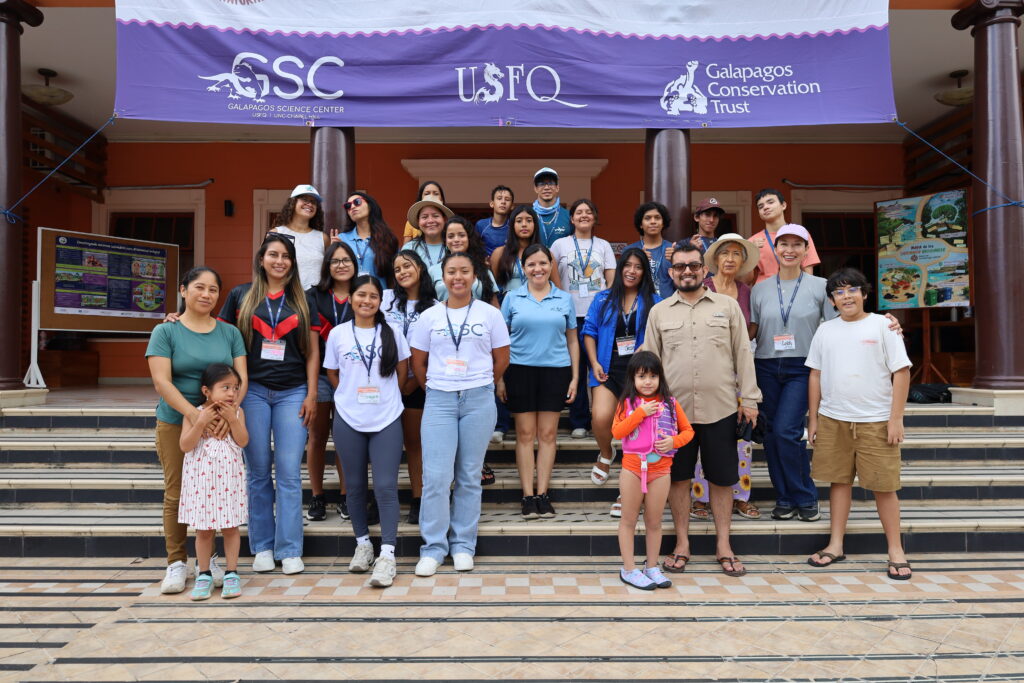
The Universidad San Francisco de Quito (USFQ), through its Galápagos campus, continues to strengthen its role as a key driver of sustainable development in the archipelago. By enhancing education, advancing scientific research, and implementing community engagement projects, the university is generating a direct and lasting impact on the quality of life of local residents. International […]
2025 Christmas Newsletter and Annual Impact Report
During this special season, we would like to wish you a Merry Christmas and a prosperous New Year. We invite you to explore the news, insights, and achievements that reflect our collective efforts to strengthen conservation and promote sustainable development in the Galápagos Archipelago, a Natural World Heritage Site.
A Decade of ISLAVET: Science in action for the conservation of Galápagos
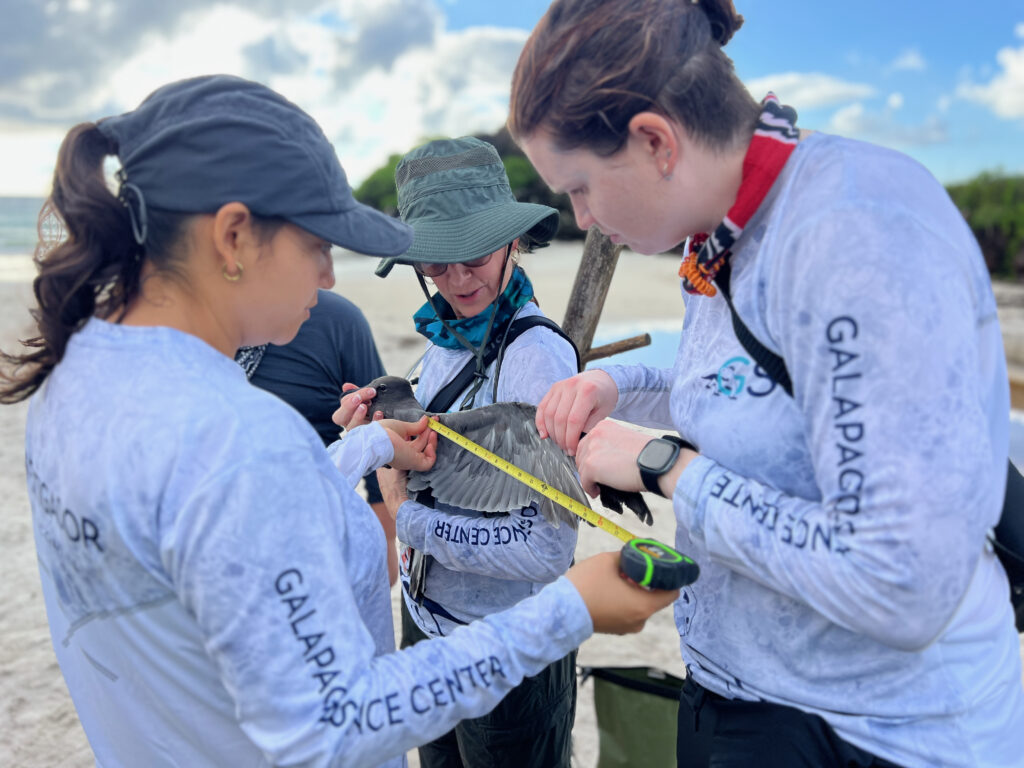
The ISLAVET program successfully concluded its tenth edition, solidifying its role as a key initiative for science and conservation in the archipelago. This year, a team of 33 participants, including 23 veterinary students and 10 veterinarians from the United States, Australia, the United Kingdom, Singapore, and the USFQ School of Veterinary Medicine, took part in field research under the leadership of Juan Pablo Muñoz, Diana Deresienski, Gregory Lewbart, and Daniela Alarcón from the Galapagos Science Center (GSC).
Nutrient enrichment can increase the thermal performance of Galápagos seaweeds
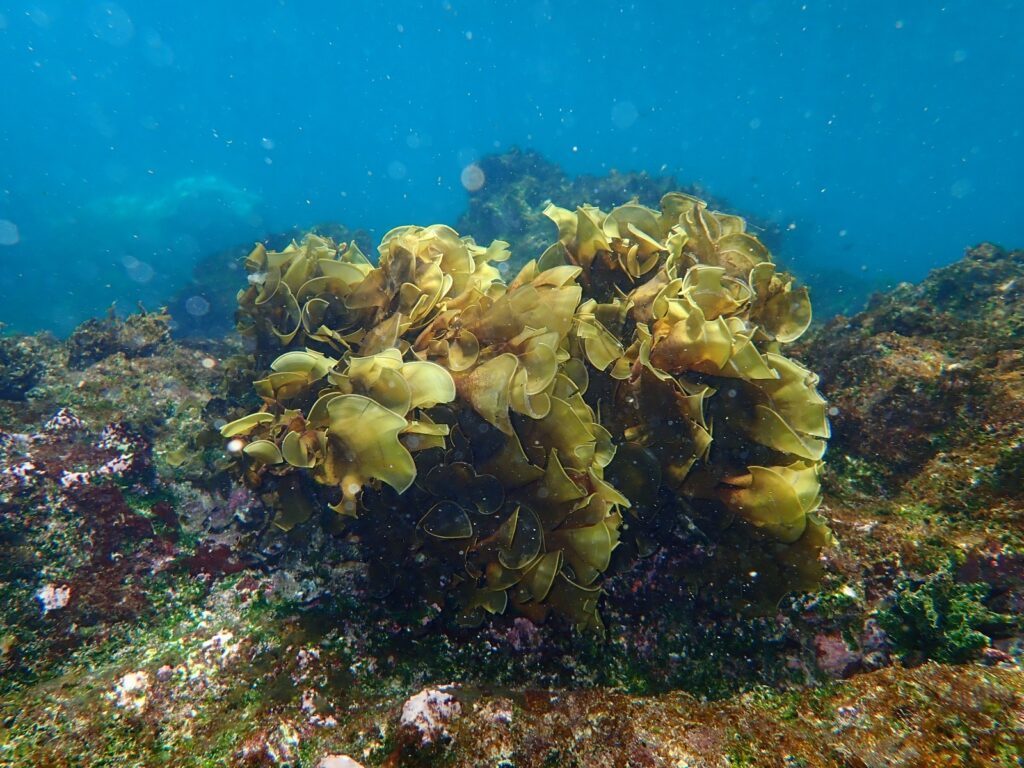
This study, published in Marine Ecology Progress Series, examines how nutrient availability can help marine macroalgae in the Galápagos Islands better adapt to higher temperatures—a challenge they face due to climate change. Macroalgae are essential aquatic plants for marine ecosystems as they provide food and shelter for many species. However, their ability to survive and thrive largely depends on environmental conditions, such as the amount of nutrients in the water.
Ladybird Beetle Diversity in Natural and Human-Modified Habitats in the San Cristóbal Island, Galápagos, Ecuador
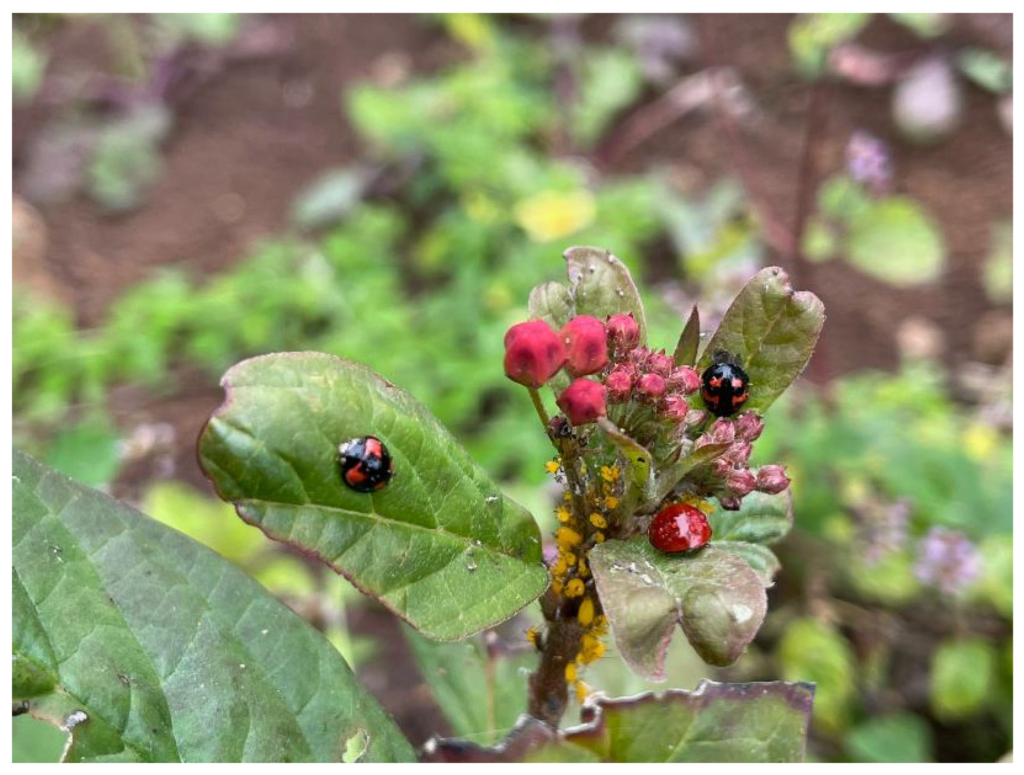
This study investigates the diversity of ladybird beetles (Coccinellidae) on San Cristóbal Island in the Galápagos Archipelago. Researchers recorded 19 species, including four previously documented (two endemic and two native) and nine potentially native species reported for the first time. Endemic species, such as Psyllobora bisigma and Scymnobius scalesius, were rare and confined to native forests, while native species like Cycloneda sanguinea showed adaptability to various habitats, including urban and agricultural areas.
Small Business, Big Impact: The Role of SMEs in Galápagos Conservation
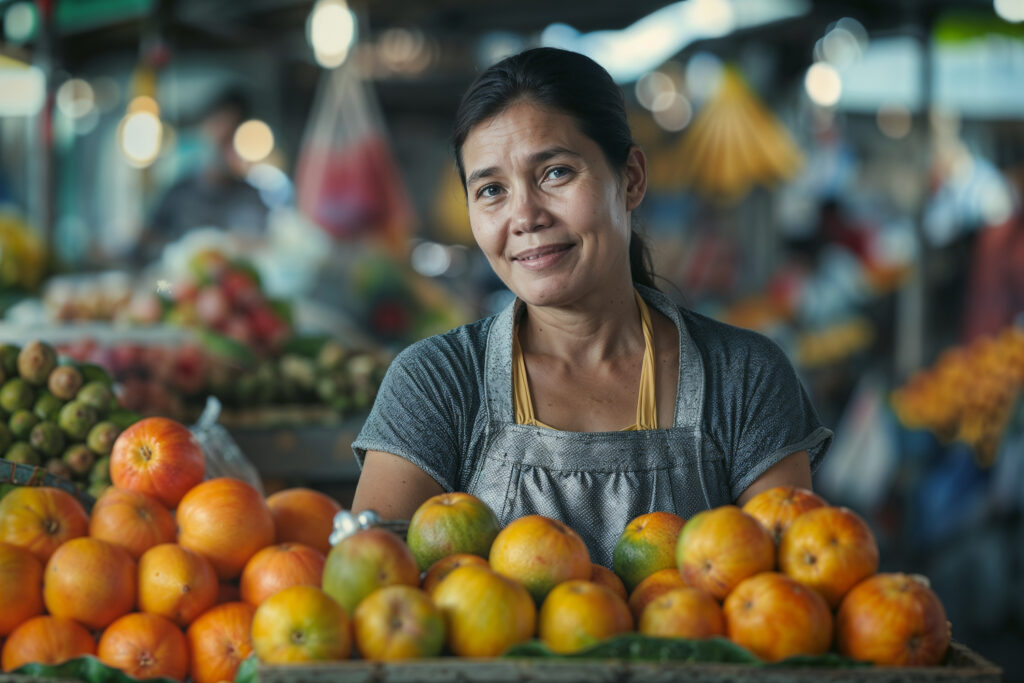
This article explores the fundamental role that small and medium-sized enterprises (SMEs) play in environmental conservation in the Galapagos Islands, a UNESCO World Heritage site.
UNC Center for Galapagos Studies receives support from Royal Caribbean Group to enhance local programs and student experiences
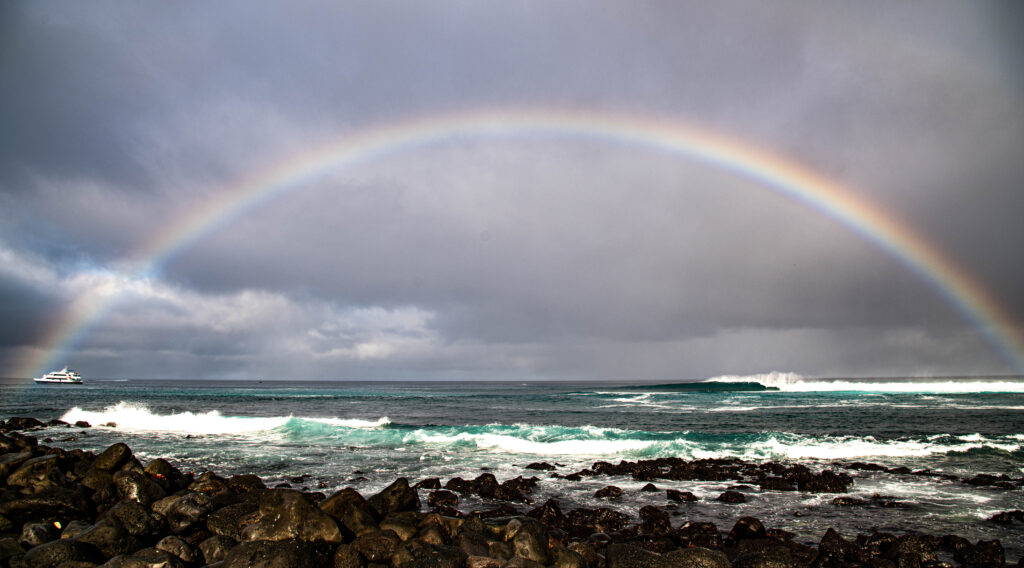
The UNC Center for Galapagos Studies has received a $600,000 contribution from Royal Caribbean Group to support research and learning initiatives, enabling the expansion of research projects, community outreach programs and student engagement. The UNC Center for Galapagos Studies partners with the Universidad San Francisco de Quito (USFQ) to operate the Galapagos Science Center, located on San Cristobal Island. It is the only university science facility of its kind in the archipelago.
Multidecadal underwater surveys reveal declines in marine turtles in the eastern tropical pacific
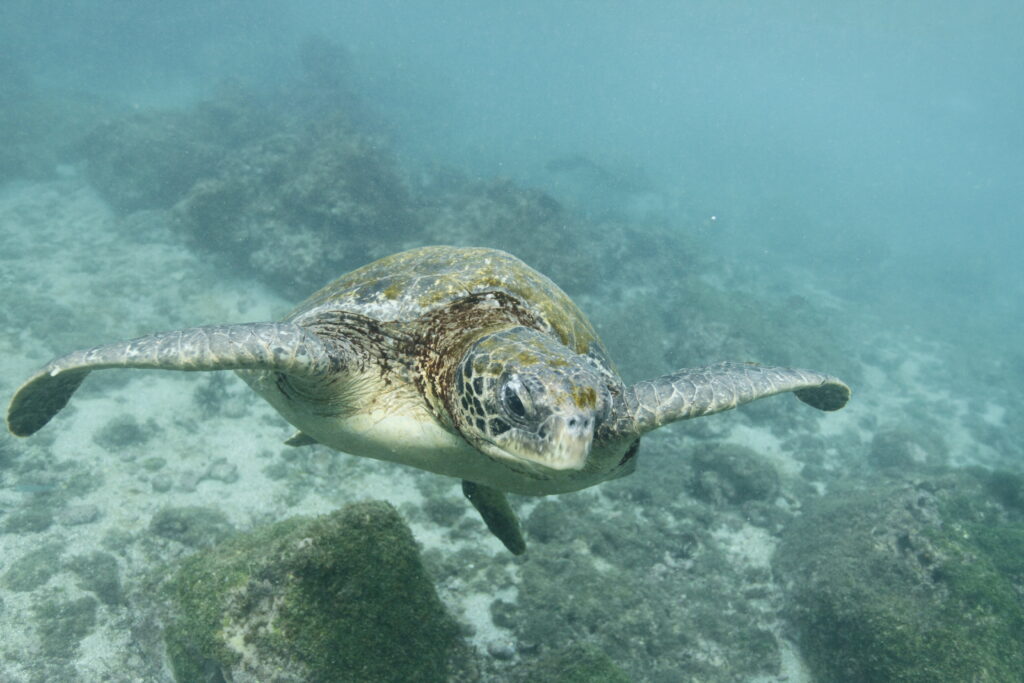
A recent study has revealed an alarming decline in marine turtle populations in the Eastern Tropical Pacific. This research, based on over 35,000 dives conducted at Cocos Island, Costa Rica, over a period of 26 years, provides deep insights into the vulnerability of turtles to environmental pressures and predators.
“Loberto and Zally: The Galápagos Sea Lions” — A Literary Project for Education and Conservation in Galápagos
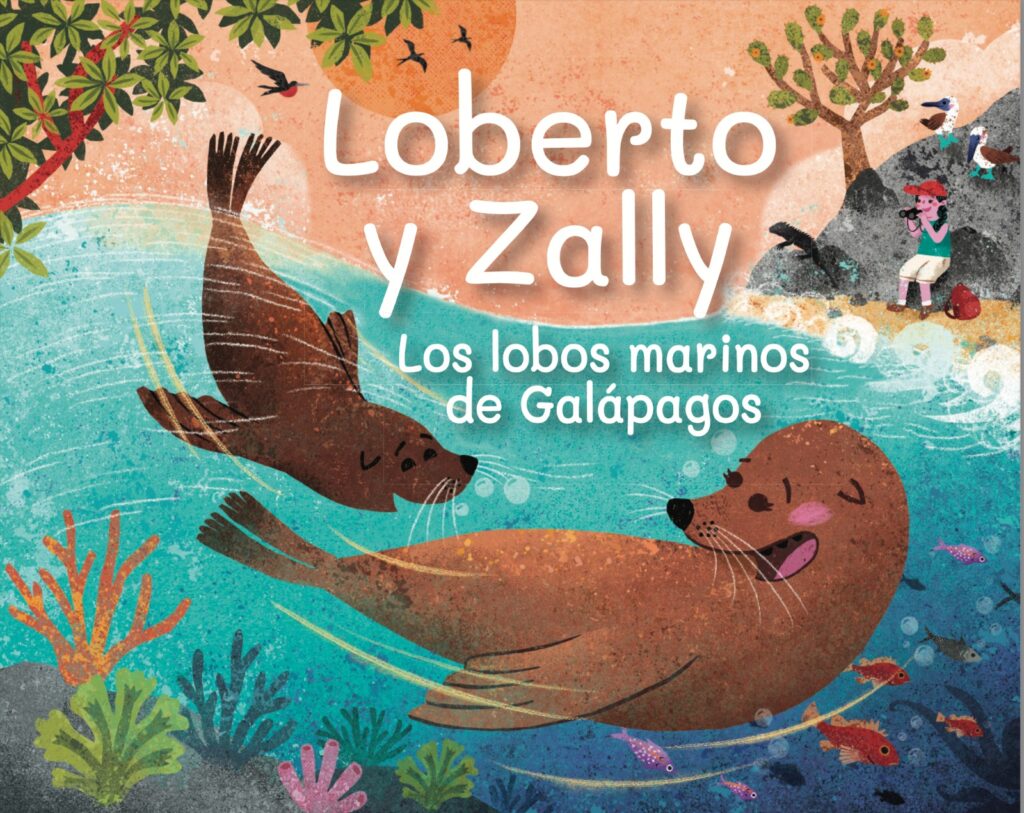
The launch of the book “Loberto and Zally: The Galápagos Sea Lions” took place on San Cristóbal Island, Galápagos, during a Family Science event organized by the GSC on August 17 of this year. The printed story will reach 200 elementary and middle school students from all educational institutions on the island.
Darwin’s expedition revisited to reveal the evolution of plant–microbe interactions on Galapagos
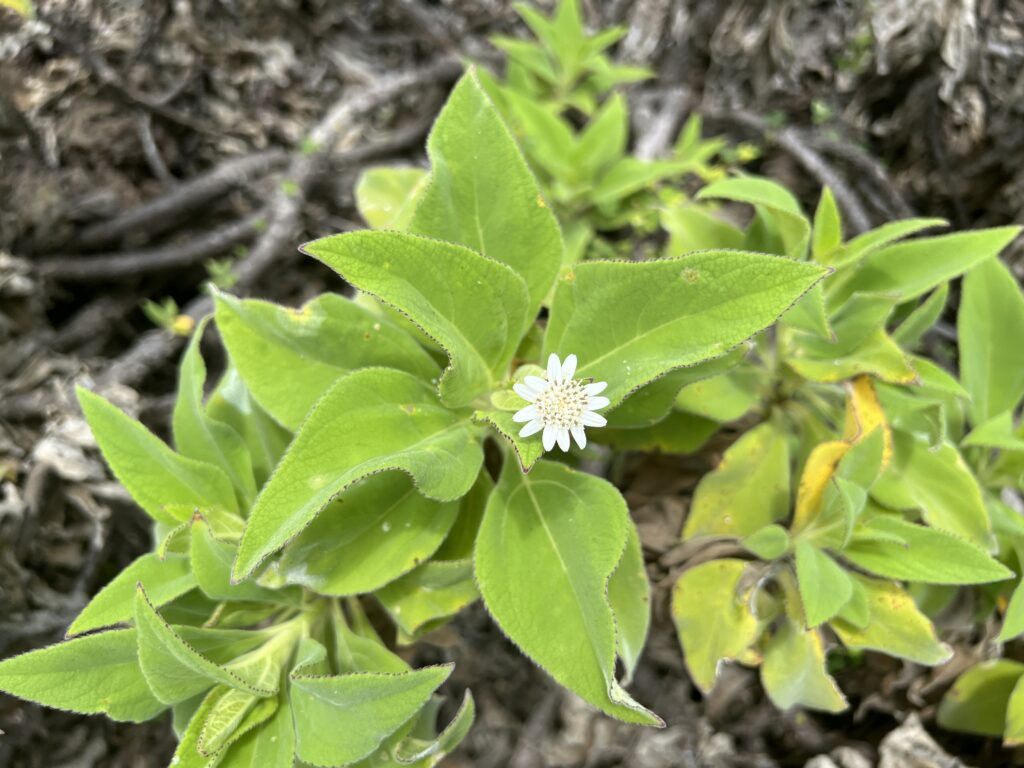
The future of Scalesia is under threat due to invasive species introduced by human activities. The Scalesia Microbiome Project (SMP), established under the Galapagos Barcode initiative, aims to characterize the microbiome associated with Scalesia species to inform restoration efforts.