Noticias y Eventos

Photo: Joshua Vela

Últimas Noticias

Newsletter de Navidad y reporte de impacto anual 2024

Este año, celebramos 13 años de impacto en la conservación, la investigación y el desarrollo sostenible en las Islas Galápagos. En nuestro newsletter y reporte de impacto anual, te invitamos a explorar cómo hemos contribuido a preservar este patrimonio natural, a través de expediciones científicas, herramientas digitales innovadoras y programas de salud y educación. Descubre los avances más recientes, los hallazgos científicos y las historias inspiradoras de este año.
Read More »

El Center for Galapagos Studies de la University of North Carolina at Chapel Hill recibe apoyo de Royal Caribbean Group para mejorar programas locales y experiencias estudiantiles

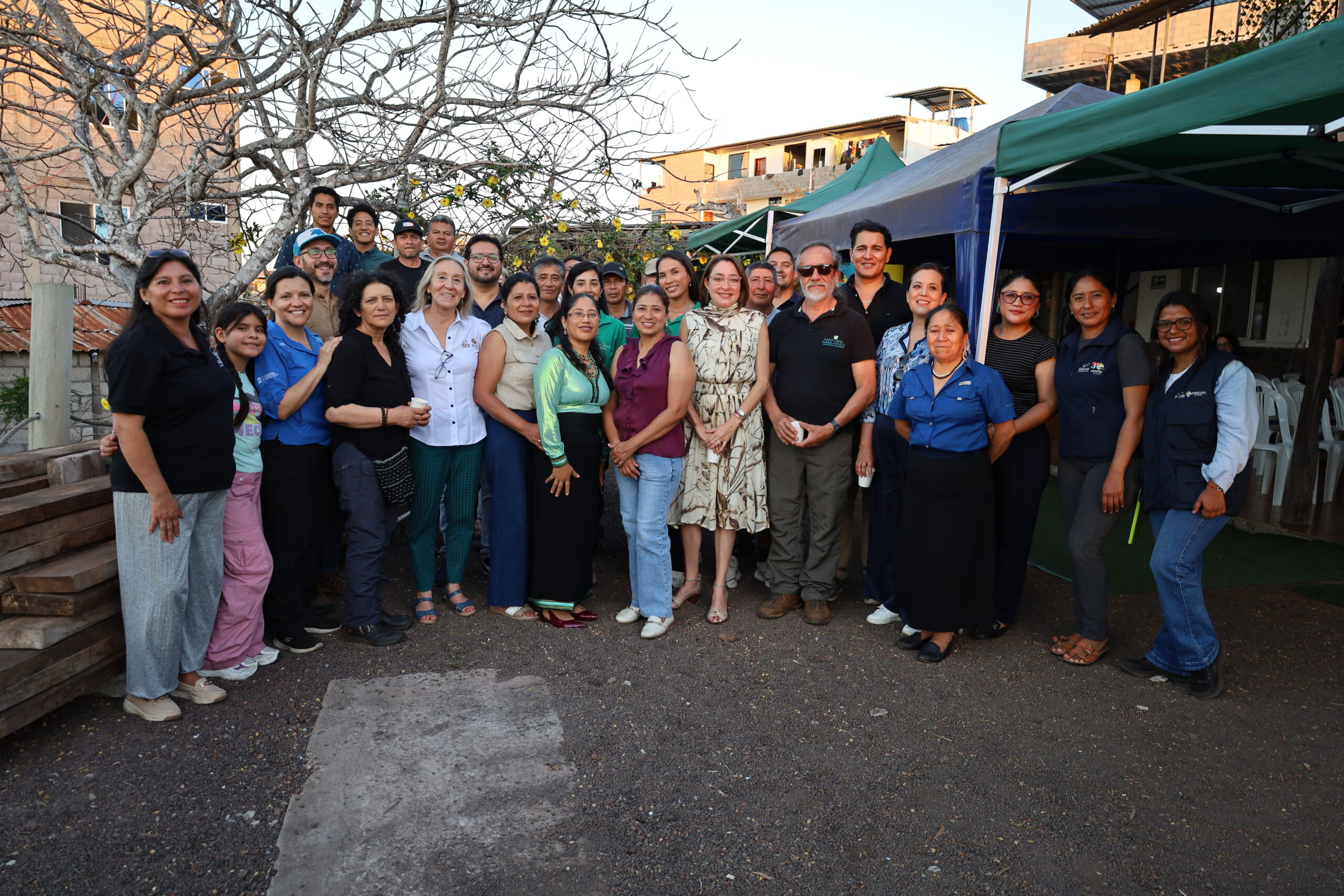
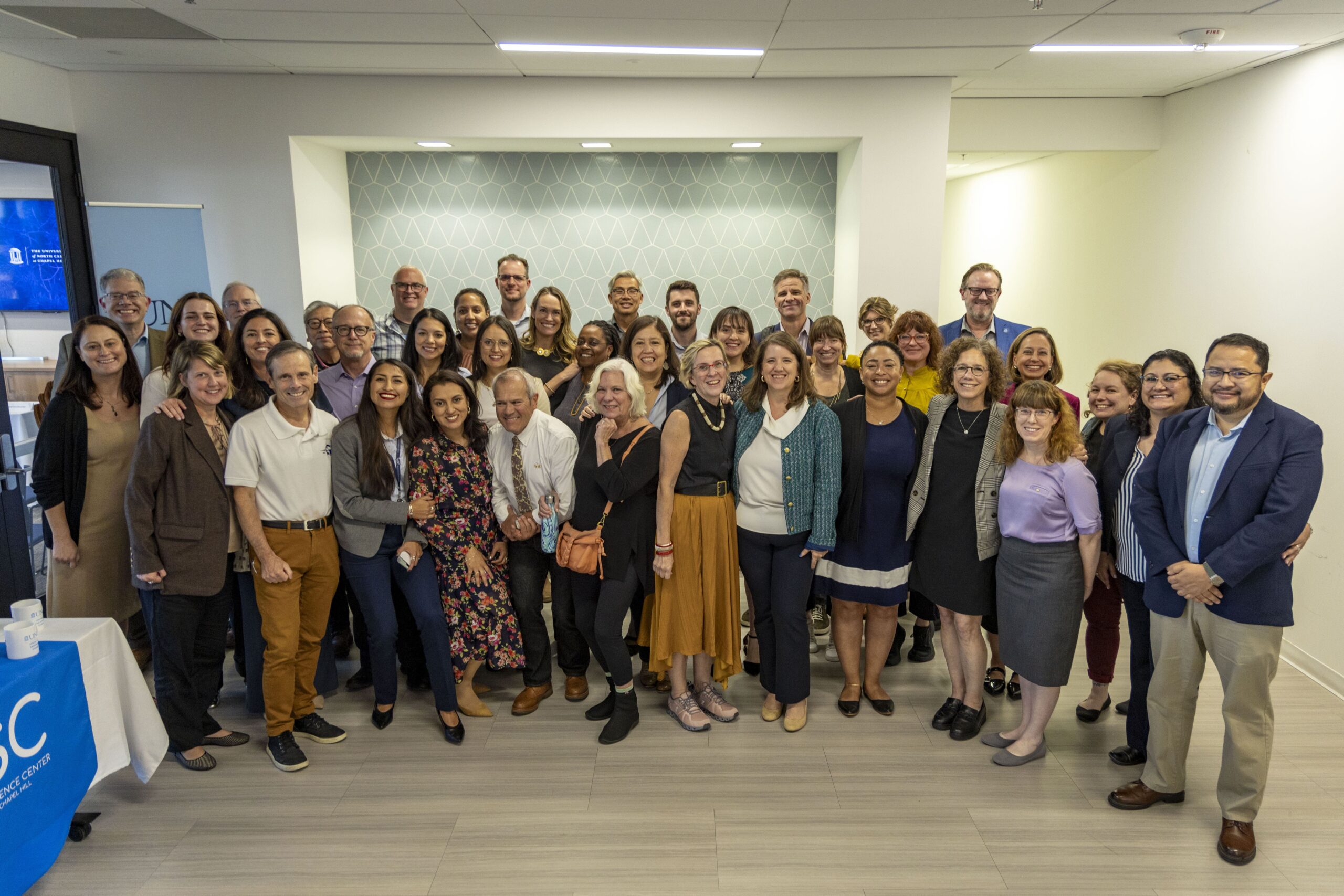
El Center for Galapagos Studies de la University of North Caroline at Chapel Hill (UNC) ha recibido una contribución de $600,000 de Royal Caribbean Group para apoyar iniciativas de investigación y aprendizaje, permitiendo la expansión de proyectos de investigación, programas de desarrollo comunitario y de participación estudiantil. El Center for Galapagos Studies de UNC-Chapel Hill es socia de la Universidad San Francisco de Quito (USFQ) para manejar el Galapagos Science Center (GSC) que es el único centro científico universitario de su tipo en el archipiélago.

Read More »

SCIENTIFIC ARTICLES

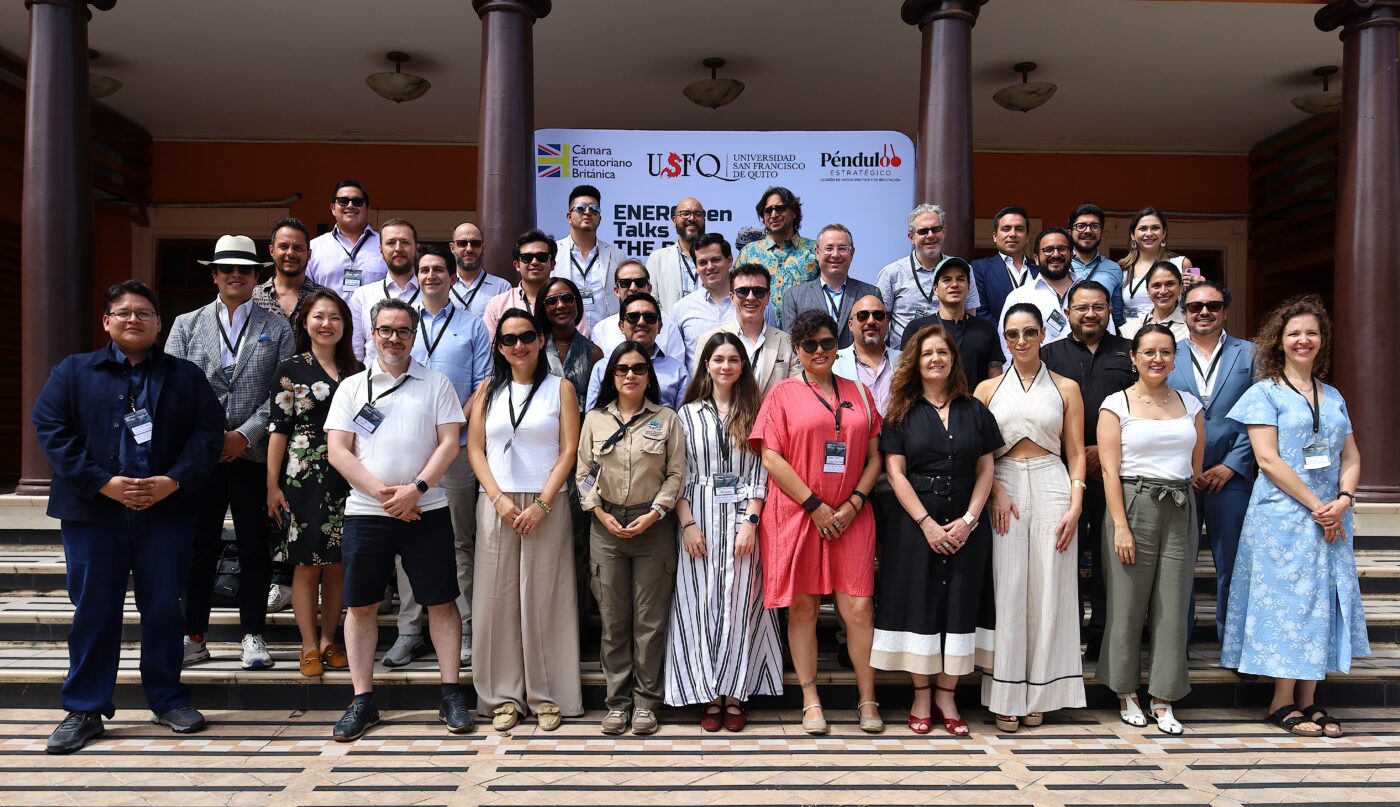
ENERGreen Talks 2026 reunió en Galápagos a expertos y organizaciones comprometidas con la transición energética

San Cristóbal, Galápagos. La Universidad San Francisco de Quito (USFQ) participó en la tercera edición de ENERGreen Talks 2026, un encuentro C Level de proyección internacional organizado por Péndulo Estratégico, la Cámara Ecuatoriano Británica (BritCham Ecuador) y Galápagos Living Lab, iniciativa impulsada por la USFQ y la Universidad de Edimburgo, Reino Unido. El evento reunió en la isla San Cristóbal, Galápagos, a representantes del sector energético, la academia, organismos internacionales, empresas y líderes de sostenibilidad para reflexionar sobre los desafíos y oportunidades que plantea la transición hacia energías más limpias.

Read More »

Artículos Científicos

Primer estudio epidemiológico sobre el parásito Toxoplasma Gondii en lobos marinos de Galápagos (Zalophus wollebaeki)

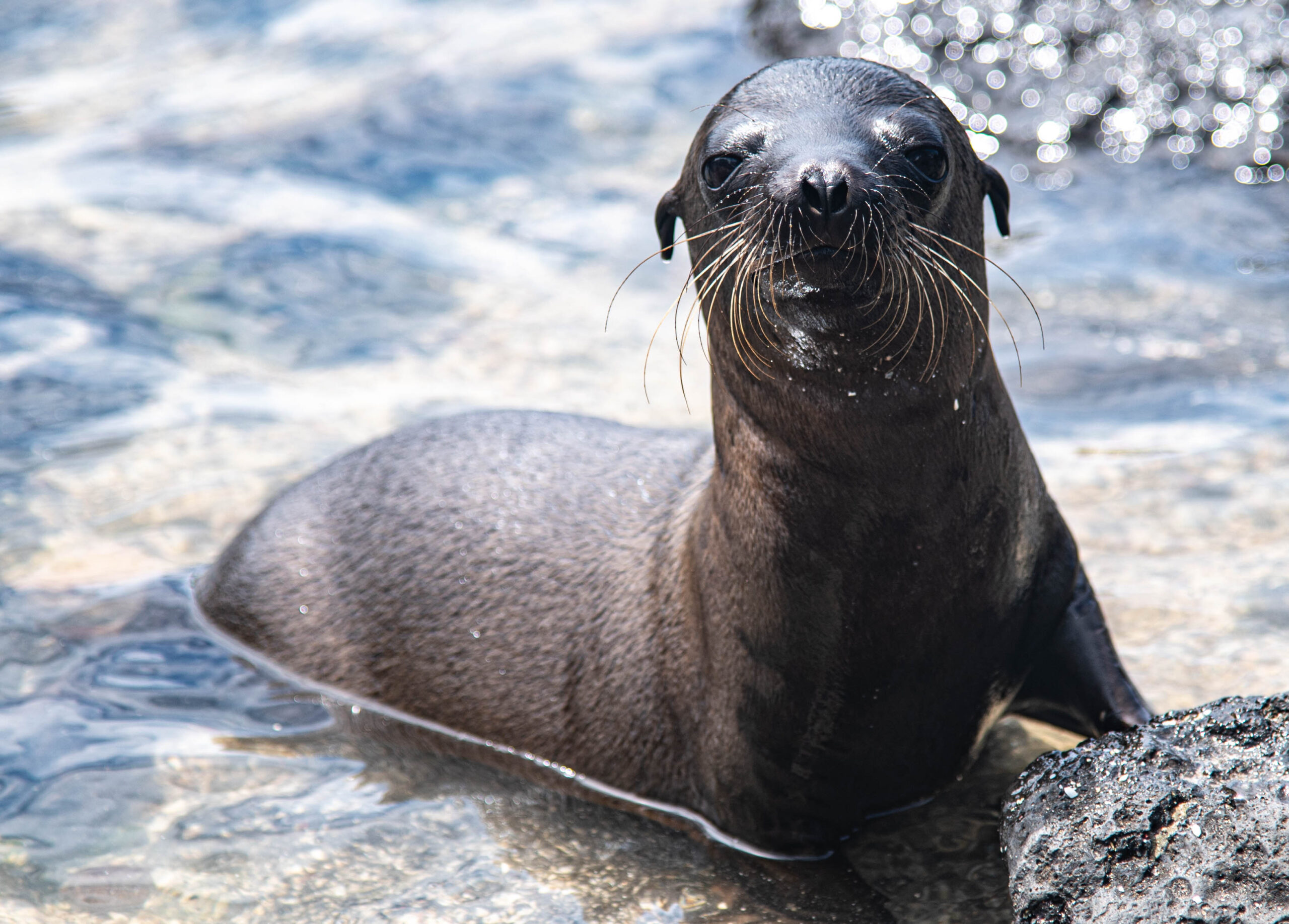
Por primera vez, un estudio evaluó la exposición de los lobos marinos de Galápagos (Zalophus wollebaeki), una especie endémica y vulnerable, al parásito Toxoplasma gondii. A través de análisis serológicos, moleculares e histopatológicos en muestras de animales vivos y cadáveres, se identificó una alta seroprevalencia en juveniles de esta especie (79 %) y la presencia de ADN parasitario en tejidos pulmonares.

Read More »

Caracterización de áreas de cría de tiburones de punta negra (Carcharhinus limbatus) juveniles en Galápagos: nuevos métodos y conocimientos

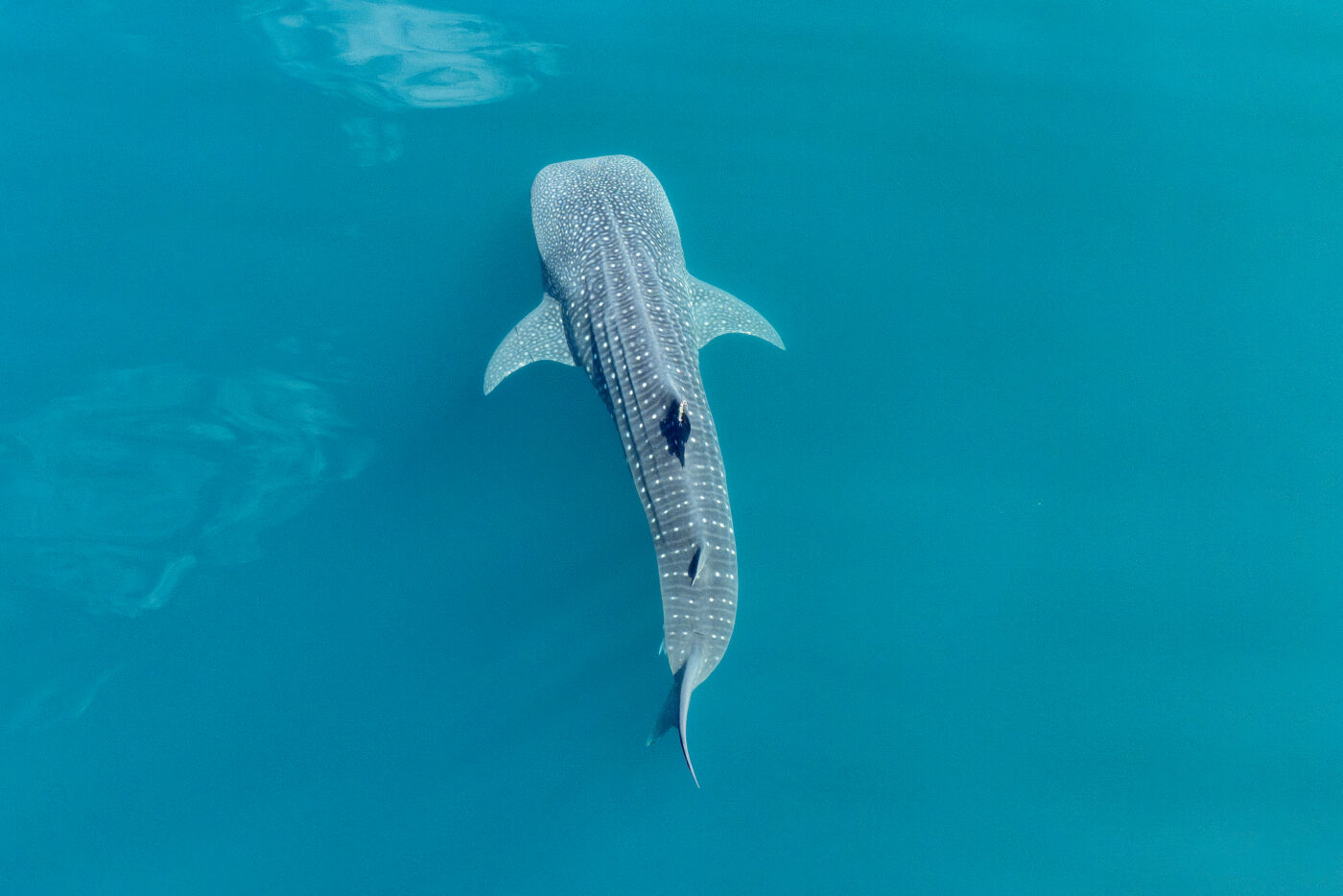
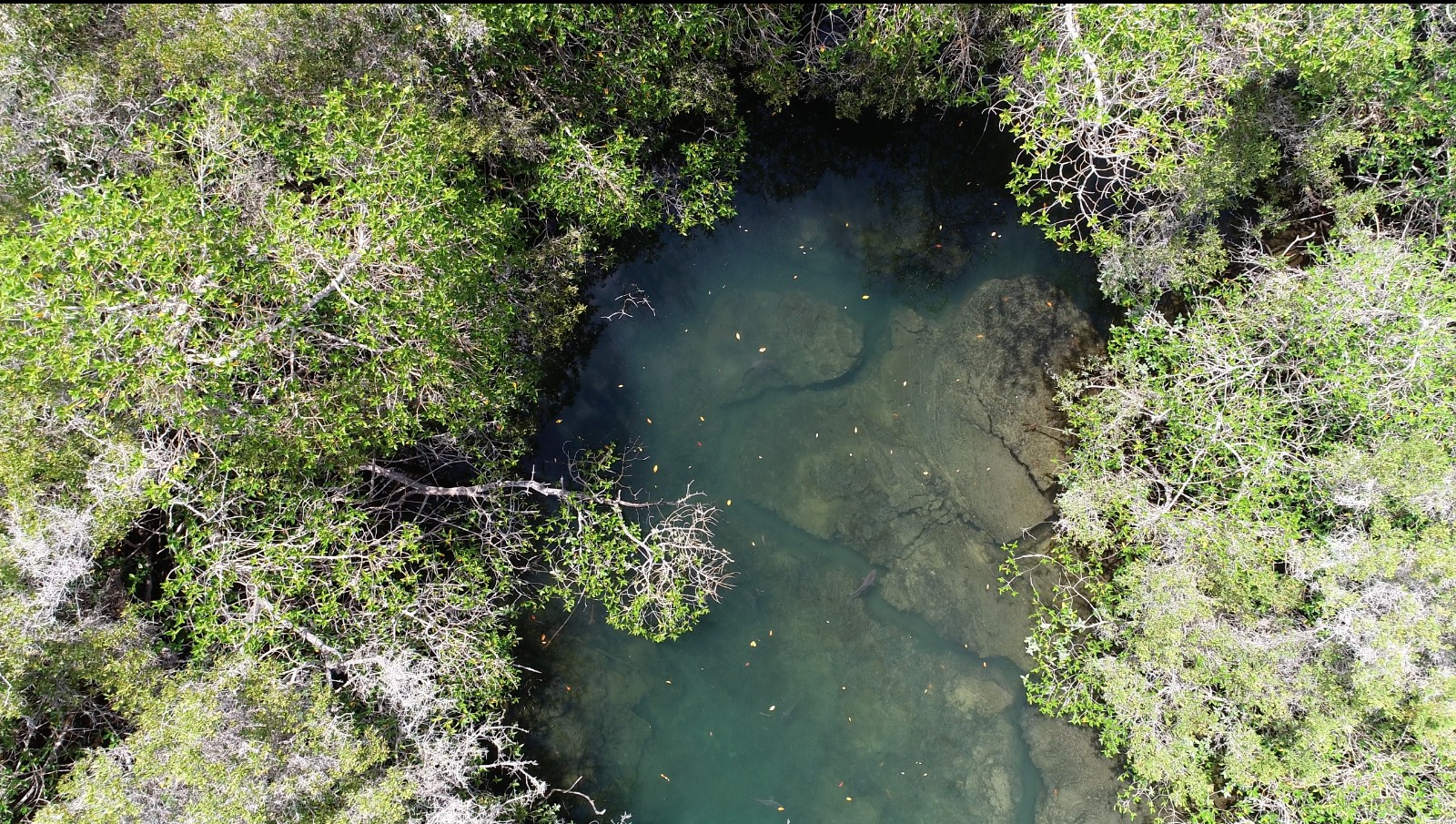
Un reciente estudio, realizado en la isla San Cristóbal (Galápagos), logró identificar zonas de cría del tiburón punta negra (Carcharhinus limbatus) mediante la aplicación de drones como herramienta principal de análisis. Esta investigación comparó el uso de vehículos aéreos no tripulados (UAVs) con métodos tradicionales, como redes de enmalle, revelando que los drones permiten una detección significativamente mayor y no invasiva de tiburones juveniles en áreas costeras.

Read More »

Mapeo de Áreas Importantes para Tiburones y Rayas (ISRAs) en el Pacífico Central y Sudamericano: Conocimientos existentes y necesidades de datos

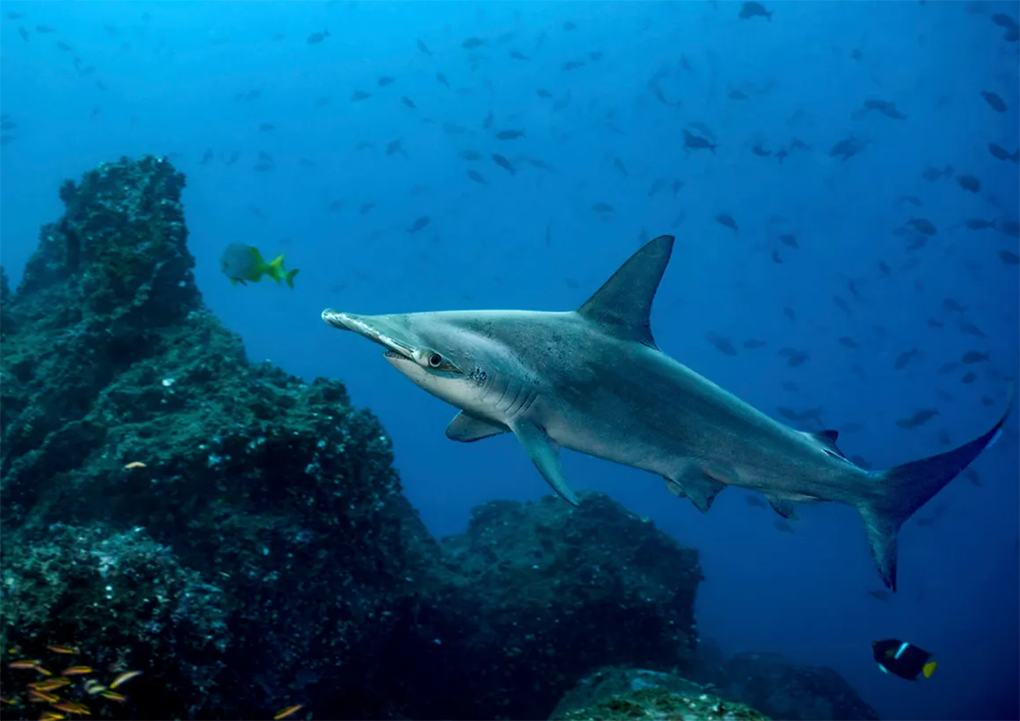
Los condrictios, una clase de vertebrados acuáticos (tiburones, rayas y quimeras), enfrentan una crisis global de extinción provocada por la sobrepesca, la degradación del hábitat, el cambio climático y la contaminación. De las aproximadamente 1.250 especies estudiadas, más de un tercio (37%) está en peligro de extinción según la Lista Roja de la Unión Internacional para la Conservación de la Naturaleza, lo que convierte a este grupo en el segundo más amenazado entre los vertebrados.

Read More »

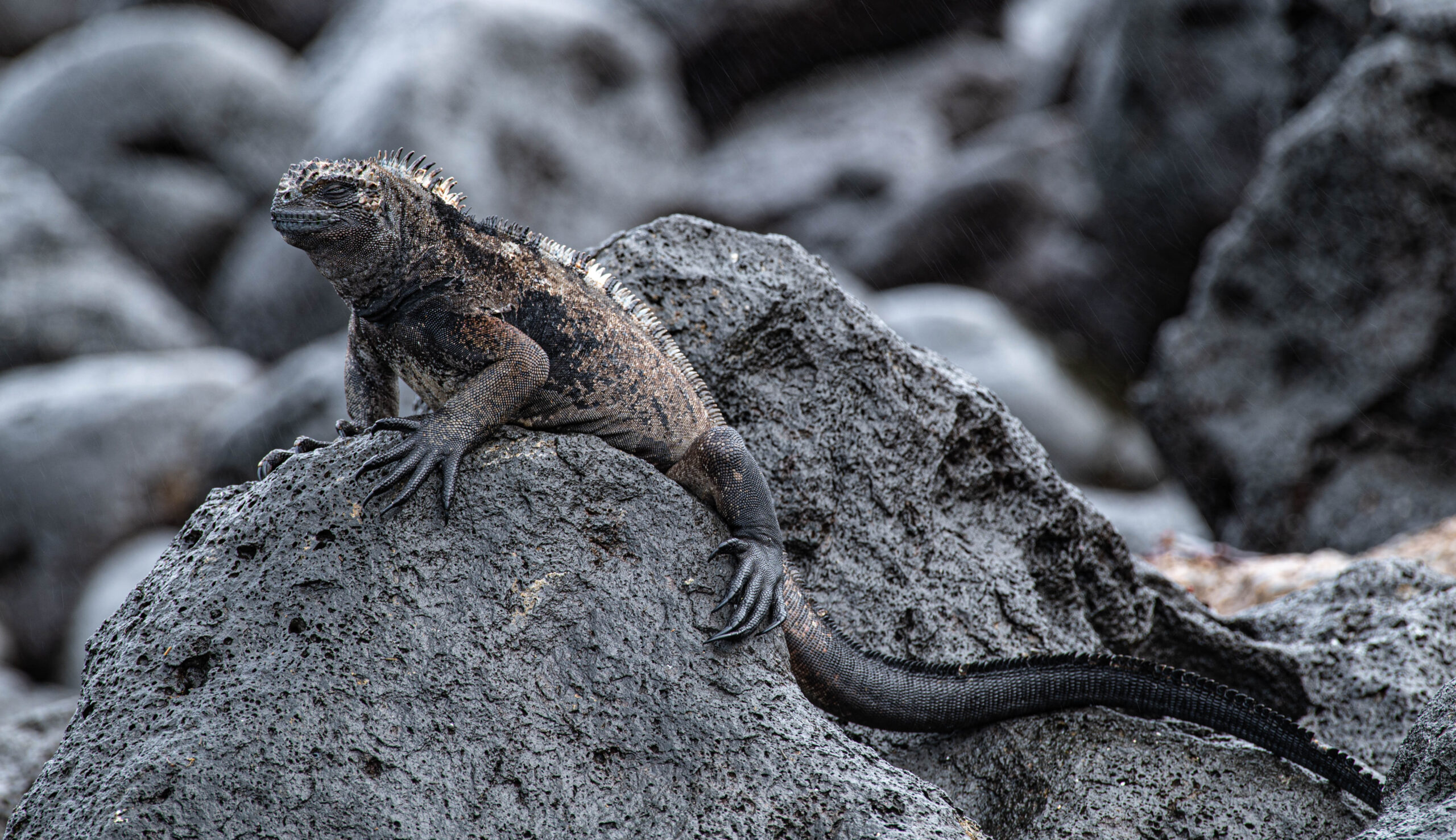
Marine iguanas have lower metabolic rates during El Niño

Marine iguanas of the Galápagos (Amblyrhynchus cristatus) are the only lizard species in the world that feeds in the ocean, relying almost exclusively on algae. During the El Niño climate event, rising ocean temperatures reduce the availability of this food source, leading to periods of scarcity. This research examines how these climatic changes affect their physiology and body condition.

Read More »

Eventos

8vo Simposio de Investigación y Conservación de Galápagos

Este 06 y 07 de julio de 2026, el Centro de Convenciones Charles Darwin de la isla San Cristóbal, fue el epicentro de la ciencia con el 8vo Simposio de Investigación y Conservación de Galápagos.
Con más de 40 ponencias en vivo, sesiones de pósters interactivos y la participación activa de la comunidad, el simposio no solo busca entender el archipiélago, sino inspirar soluciones reales.

7MO SIMPOSIO DE INVESTIGACIÓN Y CONSERVACIÓN DE GALÁPAGOS

La ciudad de Puerto Baquerizo Moreno, ubicada en la isla San Cristóbal, acogió la séptima edición del Simposio de Investigación y Conservación en Galápagos. Este destacado encuentro de carácter multidisciplinario tuvo lugar el lunes 14 y martes 15 de julio de 2025, en el Centro de Convenciones Charles Darwin. El evento será organizado por el Galapagos Science Center, con el respaldo de la Universidad de Carolina del Norte en Chapel Hill y la Universidad San Francisco de Quito, y cuenta con el aval del Parque Nacional Galápagos.

6TO SIMPOSIO DE INVESTIGACIÓN Y CONSERVACIÓN DE GALÁPAGOS

Puerto Baquerizo Moreno, en la isla San Cristóbal, fue la sede del VI Simposio de Investigación y Conservación en Galápagos. Este importante evento multidisciplinario, que se llevó a cabo los días lunes 15 y martes 16 de julio de 2024 en el Centro de Convenciones Charles Darwin, fue organizado por el Galapagos Science Center gracias al auspicio de la Universidad de Carolina del Norte en Chapel Hill y la Universidad San Francisco de Quito, y con el aval del Parque Nacional Galápagos. 

5TO SIMPOSIO DE INVESTIGACIÓN Y CONSERVACIÓN DE GALÁPAGOS

Puerto Baquerido Moreno, en la isla San Cristóbal, fue la sede del 5to Simposio de Investigación y Conservación en Galápagos. En este importante evento multidisciplinario, se tuvieron presentaciones científicas y de interés de la comunidad, en las que se expusieron principalmente investigaciones e iniciativas relacionadas con la conservación, cambio ambiental, biodiversidad y océanos, salud e iniciativas comunitarias.

World Summit on Island Sustainability

En 2022, el Galapagos Science Center (GSC) y la Iniciativa Galápagos de la UNC y la USFQ celebraron su décimo aniversario. El GSC organizó la Cumbre Mundial sobre Sostenibilidad Insular del 26 al 30 de junio de 2022 en el Centro de Ciencias de Galápagos y el Centro de Convenciones Comunitario en la Isla San Cristóbal.

7TH GALAPAGOS RESEARCH AND CONSERVATION SYMPOSIUM

Puerto Baquerizo Moreno, on San Cristóbal Island, will host the 7th Symposium on Research and Conservation in Galápagos. This important multidisciplinary event, which will take place on Monday, July 14 and Tuesday, July 15, 2025, at the Charles Darwin Convention Center, will be organized by the Galapagos Science Center, thanks to the sponsorship of the University of North Carolina at Chapel Hill and the Universidad San Francisco de Quito, and with the support of the Galápagos National Park.

6TH GALAPAGOS RESEARCH AND CONSERVATION SYMPOSIUM

The 6th Galápagos Research and Conservation Symposium  took place on Monday, July 15 and Tuesday, July 16, 2024 at the Charles Darwin Convention Center on San Cristóbal, Galápagos. This important multidisciplinary event was organized by the Galapagos Science Center, with the sponsorship of the University of North Carolina at Chapel Hill and the Universidad San Francisco de Quito with the endorsement of the Galapagos National Park.

5TH GALAPAGOS RESEARCH AND CONSERVATION SYMPOSIUM

Puerto Baquerizo Moreno, on San Cristóbal Island, will host the 5th Galapagos Research and Conservation Symposium. This significant multidisciplinary event  will feature scientific presentations and community-focused talks, showcasing research and initiatives related to conservation, environmental change, biodiversity and oceans, health, and community initiatives.

World Summit on Island Sustainability

In 2022, the Galapagos Science Center (GSC) and the broader UNC & USFQ Galapagos Initiative celebrated its 10th Anniversary. The GSC hosted the World Summit on Island Sustainability on June 26–30, 2022 at the Galapagos Science Center and the Community Convention Center on San Cristobal Island.

In 2022, the Galapagos Science Center (GSC) and the broader UNC & USFQ Galapagos Initiative will celebrate its 10th Anniversary. We are proud to announce the World Summit on Island Sustainability scheduled to be held on June 26–30, 2022 at the Galapagos Science Center and the Community Convention Center on San Cristobal Island.

The content of the World Summit will be distributed globally through social media and results documented through papers published in a book written as part of the Galapagos Book Series by Springer Nature and edited by Steve Walsh (UNC) & Carlos Mena (USFQ) as well as Jill Stewart (UNC) and Juan Pablo Muñoz (GSC/USC). The book will be inclusive and accessible by the broader island community including scientists, managers, residents, tourists, and government and non-government organizations.

While the most obvious goal of organizing the World Summit on Island Sustainability is to celebrate the 10th Anniversary of the GSC and the UNC-USFQ Galapagos Initiative, other goals will be addressed through special opportunities created as part of our operational planning of the World Summit.

For instance, we seek to elevate and highlight the Galapagos in the island conservation discourse, seeking to interact with other island networks in more obvious and conspicuous ways to benefit the Galapagos Islands, the UNC-USFQ Galapagos Initiative, and the world. We will seize the opportunity to further develop the I2N2 – International Islands Network-of-Networks. Further, we wish to highlight and emphasize multiple visions of a sustainable future for the Galapagos Islands and we cannot do this alone. Therefore, engaging the Ecuadorian Ministry of Environment, the Ministry of Tourism, the Government Council of Galapagos, the Galapagos National Park, and local Galapagos authorities, including government and non-government organizations and local citizen groups, is imperative.

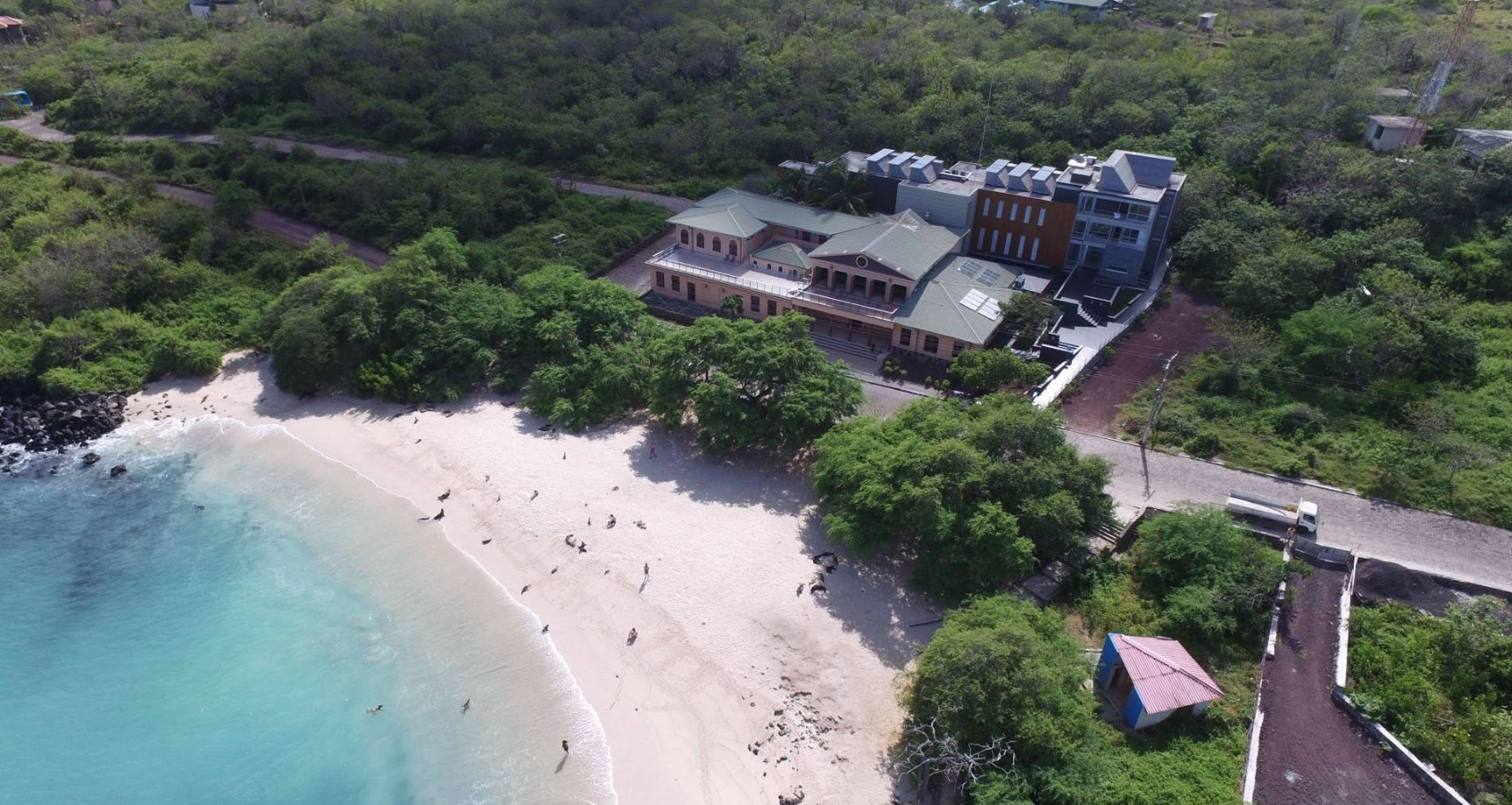
The Galapagos Science Center on San Cristobal Island, Galapagos

Borrowing from Hawaii’s and Guam’s Green Growth Program and the Global Island Partnership, we wish to examine existing global programs that emphasize island sustainability and their incorporation into life, policies, and circumstances in the Galapagos Islands. We will also seek to enhance our connections with the institutional members of our International Galapagos Science Consortium and expand the Consortium through the recruitment of other member institutions. We will also work to benefit islands and their local communities by working with citizen groups as well as important NGOs who seek to improve the natural conditions in the Galapagos and diminish the impact of the human dimension on the future of Galapagos’ ecosystems.

Lastly, we will use the World Summit to benefit UNC & USFQ and our constituencies through a strong and vibrant communication plan about the World Summit, creating corporate relationships as sponsors, identifying funding goals through donors, and benefiting our study abroad program for student engagement in the Galapagos Islands. We plan to develop and issue a Galapagos Sustainability Communique after the World Summit that includes the vision and insights of all its participants for a sustainable Galapagos with applicability to global island settings.

We are eager to hear your perspective and have you join us at the World Summit on Island Sustainability!