Noticias y Eventos

Photo: Joshua Vela

Últimas Noticias

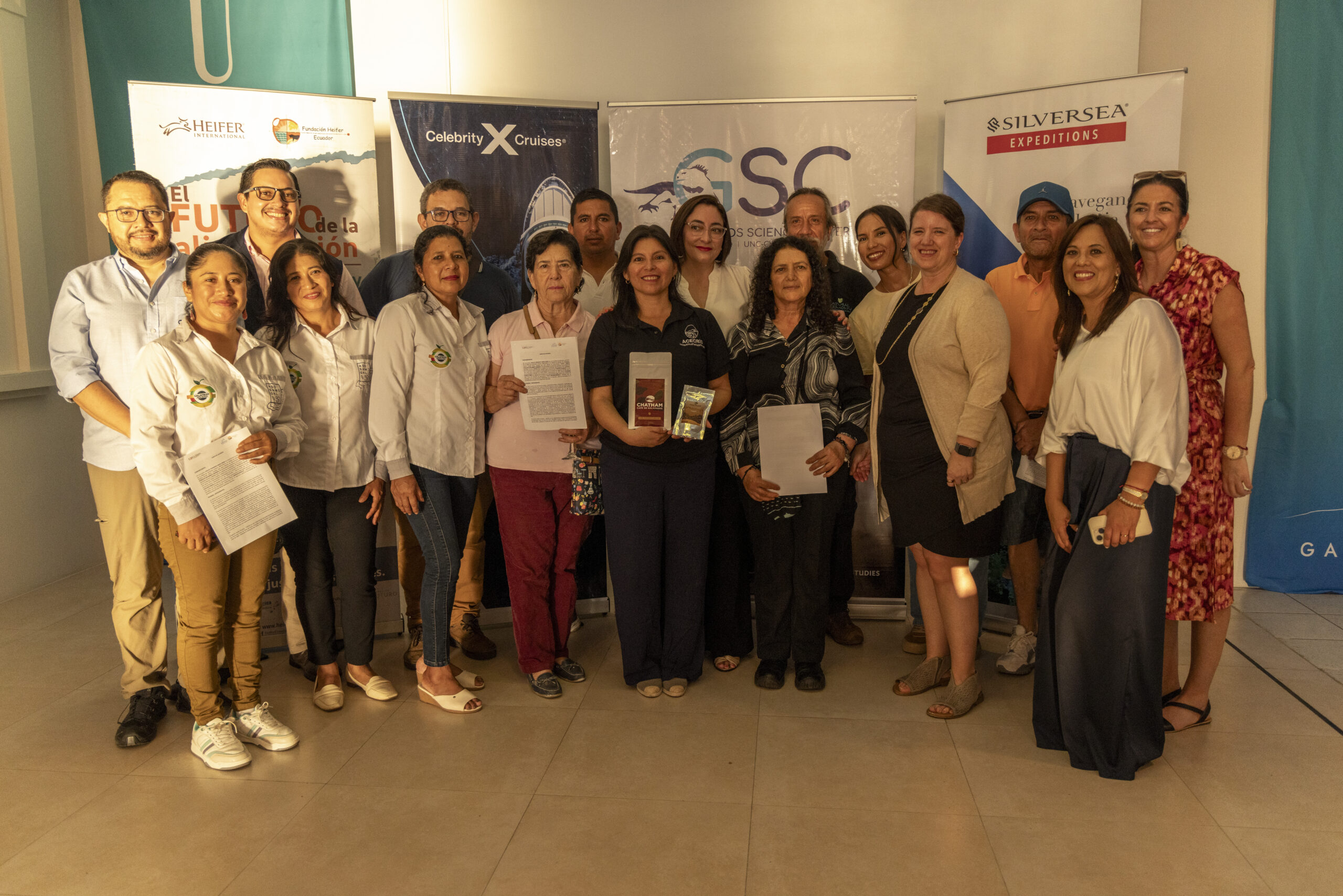
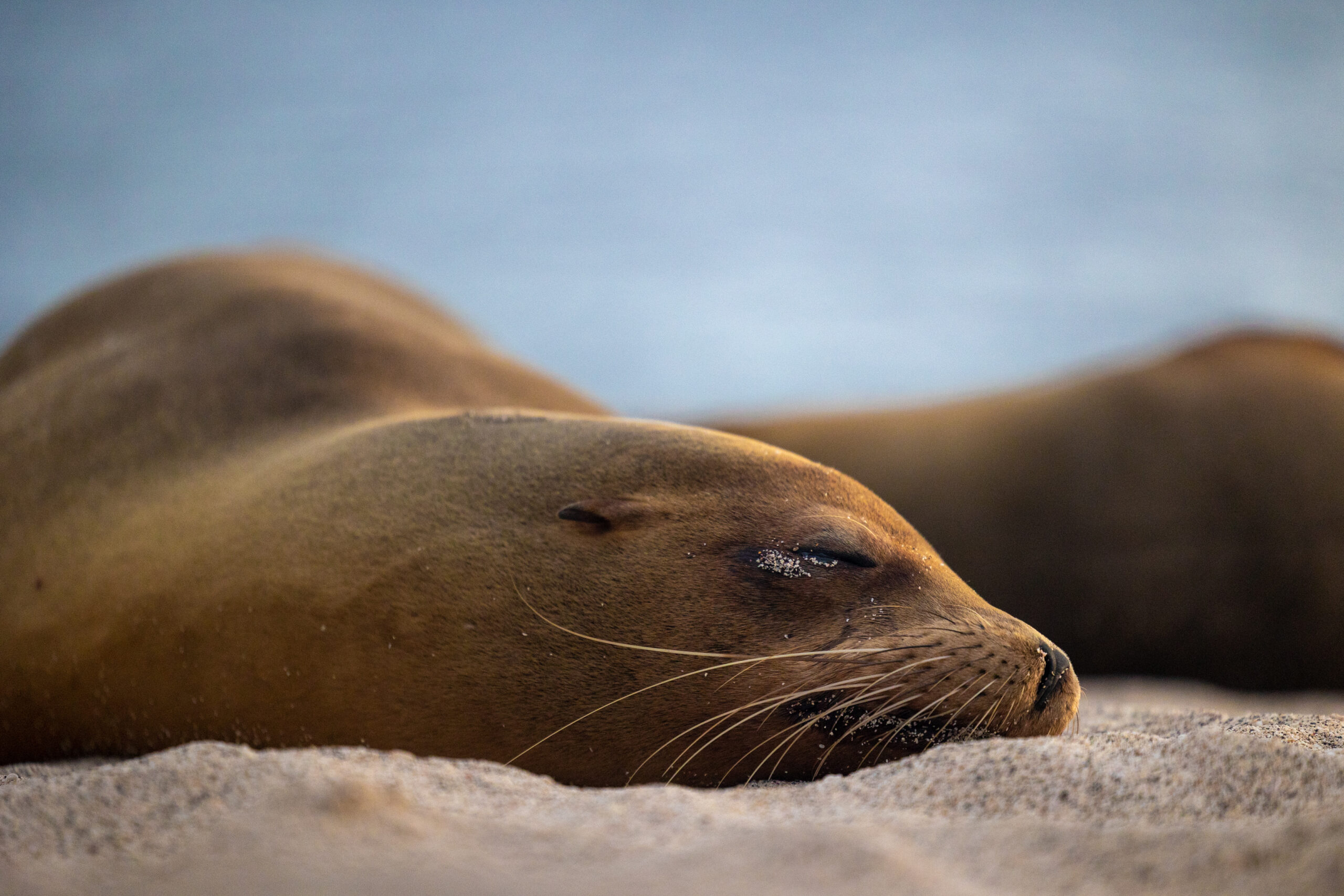
“Loberto y Zally: Los lobos marinos de Galápagos” un proyecto literario para la educación y conservación en Galápagos

El lanzamiento del cuento “Loberto y Zally: Los lobos marinos de Galápagos” se realizó en la Isla San Cristóbal, de Galápagos, durante un evento Ciencia en Familia desarrollado por el GSC, el 17 de agosto del presente año. La historia impresa llegará a 200 estudiantes de nivel Básica Elemental y Media de todas las instituciones educativas de la isla.

Read More »

SCIENTIFIC ARTICLES

Artículos Científicos

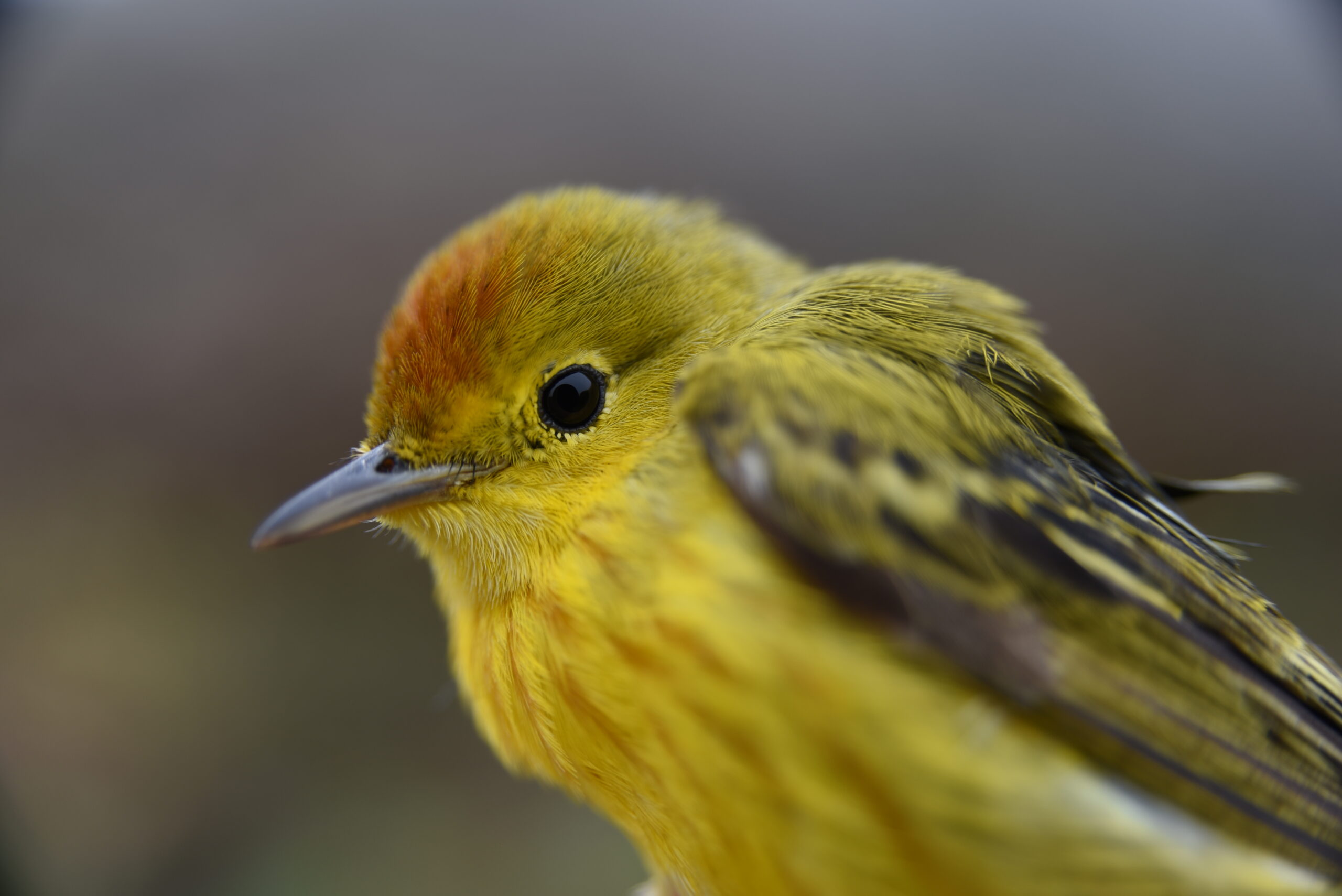
Explorando el estrés y la morfología en dos especies de aves canoras en hábitats urbanos, agrícolas y naturales de la isla San Cristóbal, Galápagos

En este estudio se analizó cómo los cambios en el uso del suelo afectan a dos especies de aves de Galápagos: el pinzón terrestre pequeño (Geospiza fuliginosa) y la reinita de manglar (Setophaga petechia aureola). El objetivo fue comprender si las alteraciones en el hábitat, causadas por la urbanización y la agricultura en islas pobladas por humanos, influyen en su tamaño, peso y niveles de la hormona denominada corticosterona, que está relacionada con el estrés.

Read More »

Genomas de los cucuves de Galápagos revelan el impacto del tamaño de la isla y la demografía pasada, en relación a la endogamia y la carga genética de las poblaciones actuales.

Las especies que habitan las islas oceánicas han sido fundamentales en el estudio de la evolución. Debido a su aislamiento, estas poblaciones suelen presentar tamaños reducidos y una menor diversidad genética en comparación con sus parientes de zonas continentales. Esto puede generar efectos negativos como la acumulación de mutaciones perjudiciales y la endogamia (apareamiento entre animales emparentados genéticamente), lo que amenaza su supervivencia. Los cucuves de Galápagos (Mimus spp.) representan un caso ideal para analizar la relación entre el tamaño de la isla en la que habitan y las variaciones genéticas en sus poblaciones.

Read More »

Estado de salud y morfometría de las fragatas magníficas de Galápagos (Fregata magnificens magnificens) determinado mediante hematología, bioquímica, gases sanguíneos y examen físico

La fragata magnífica (Fregata magnificens; MFB) es un ave marina distribuida en los océanos Atlántico y Pacífico. En las Islas Galápagos habita la subespecie Fregata magnificens magnificens, nativa del archipiélago. Este estudio presenta, por primera vez, los valores hematológicos y bioquímicos sanguíneos de esta población en la región.

Read More »

Nutrient enrichment can increase the thermal performance of Galápagos seaweeds

This study, published in Marine Ecology Progress Series, examines how nutrient availability can help marine macroalgae in the Galápagos Islands better adapt to higher temperatures—a challenge they face due to climate change. Macroalgae are essential aquatic plants for marine ecosystems as they provide food and shelter for many species. However, their ability to survive and thrive largely depends on environmental conditions, such as the amount of nutrients in the water.

Read More »

Ladybird Beetle Diversity in Natural and Human-Modified Habitats in the San Cristóbal Island, Galápagos, Ecuador

This study investigates the diversity of ladybird beetles (Coccinellidae) on San Cristóbal Island in the Galápagos Archipelago. Researchers recorded 19 species, including four previously documented (two endemic and two native) and nine potentially native species reported for the first time. Endemic species, such as Psyllobora bisigma and Scymnobius scalesius, were rare and confined to native forests, while native species like Cycloneda sanguinea showed adaptability to various habitats, including urban and agricultural areas.

Read More »

Assessing the chemical landscape of the Galápagos Marine Reserve

The Galápagos Marine Reserve (GMR), famous for its incredible biodiversity, faces growing threats from chemical pollution like plastics, oils, pesticides, and heavy metals. The unique location of the Galápagos, where major ocean currents meet under intense sunlight, allows pollutants to flow in and spread.

Read More »

From Prison Islands to Island Paradises: Are Violent Histories Being Overwritten with Nature-Based Tourism Imaginaries?

This article explores the transformation of former prison islands in Latin America—specifically Isabela (Galápagos), Coiba (Panama), and Gorgona (Colombia)—into nature-based ecotourism destinations. Originally used for exiling criminals, political prisoners, and other marginalized individuals, these isolated islands were chosen for their remote locations and difficult conditions, which made them suitable sites for confinement. However, as these prisons closed, new conservation and ecotourism initiatives developed, focusing on the islands’ natural beauty and biodiversity.

Read More »

Eventos

7MO SIMPOSIO DE INVESTIGACIÓN Y CONSERVACIÓN DE GALÁPAGOS

La ciudad de Puerto Baquerizo Moreno, ubicada en la isla San Cristóbal, acogerá la séptima edición del Simposio de Investigación y Conservación en Galápagos. Este destacado encuentro de carácter multidisciplinario tendrá lugar el lunes 14 y martes 15 de julio de 2025, en el Centro de Convenciones Charles Darwin. El evento será organizado por el Galapagos Science Center, con el respaldo de la Universidad de Carolina del Norte en Chapel Hill y la Universidad San Francisco de Quito, y contará con el aval del Parque Nacional Galápagos.

6TO SIMPOSIO DE INVESTIGACIÓN Y CONSERVACIÓN DE GALÁPAGOS

Puerto Baquerizo Moreno, en la isla San Cristóbal, fue la sede del VI Simposio de Investigación y Conservación en Galápagos. Este importante evento multidisciplinario, que se llevó a cabo los días lunes 15 y martes 16 de julio de 2024 en el Centro de Convenciones Charles Darwin, fue organizado por el Galapagos Science Center gracias al auspicio de la Universidad de Carolina del Norte en Chapel Hill y la Universidad San Francisco de Quito, y con el aval del Parque Nacional Galápagos. 

5TO SIMPOSIO DE INVESTIGACIÓN Y CONSERVACIÓN DE GALÁPAGOS

Puerto Baquerido Moreno, en la isla San Cristóbal, fue la sede del 5to Simposio de Investigación y Conservación en Galápagos. En este importante evento multidisciplinario, se tuvieron presentaciones científicas y de interés de la comunidad, en las que se expusieron principalmente investigaciones e iniciativas relacionadas con la conservación, cambio ambiental, biodiversidad y océanos, salud e iniciativas comunitarias.

World Summit on Island Sustainability

En 2022, el Galapagos Science Center (GSC) y la Iniciativa Galápagos de la UNC y la USFQ celebraron su décimo aniversario. El GSC organizó la Cumbre Mundial sobre Sostenibilidad Insular del 26 al 30 de junio de 2022 en el Centro de Ciencias de Galápagos y el Centro de Convenciones Comunitario en la Isla San Cristóbal.

7TH GALAPAGOS RESEARCH AND CONSERVATION SYMPOSIUM

Puerto Baquerizo Moreno, on San Cristóbal Island, will host the 7th Symposium on Research and Conservation in Galápagos. This important multidisciplinary event, which will take place on Monday, July 14 and Tuesday, July 15, 2025, at the Charles Darwin Convention Center, will be organized by the Galapagos Science Center, thanks to the sponsorship of the University of North Carolina at Chapel Hill and the Universidad San Francisco de Quito, and with the support of the Galápagos National Park.

6TH GALAPAGOS RESEARCH AND CONSERVATION SYMPOSIUM

The 6th Galápagos Research and Conservation Symposium  took place on Monday, July 15 and Tuesday, July 16, 2024 at the Charles Darwin Convention Center on San Cristóbal, Galápagos. This important multidisciplinary event was organized by the Galapagos Science Center, with the sponsorship of the University of North Carolina at Chapel Hill and the Universidad San Francisco de Quito with the endorsement of the Galapagos National Park.

5TH GALAPAGOS RESEARCH AND CONSERVATION SYMPOSIUM

Puerto Baquerizo Moreno, on San Cristóbal Island, will host the 5th Galapagos Research and Conservation Symposium. This significant multidisciplinary event  will feature scientific presentations and community-focused talks, showcasing research and initiatives related to conservation, environmental change, biodiversity and oceans, health, and community initiatives.

World Summit on Island Sustainability

In 2022, the Galapagos Science Center (GSC) and the broader UNC & USFQ Galapagos Initiative celebrated its 10th Anniversary. The GSC hosted the World Summit on Island Sustainability on June 26–30, 2022 at the Galapagos Science Center and the Community Convention Center on San Cristobal Island.

In 2022, the Galapagos Science Center (GSC) and the broader UNC & USFQ Galapagos Initiative will celebrate its 10th Anniversary. We are proud to announce the World Summit on Island Sustainability scheduled to be held on June 26–30, 2022 at the Galapagos Science Center and the Community Convention Center on San Cristobal Island.

The content of the World Summit will be distributed globally through social media and results documented through papers published in a book written as part of the Galapagos Book Series by Springer Nature and edited by Steve Walsh (UNC) & Carlos Mena (USFQ) as well as Jill Stewart (UNC) and Juan Pablo Muñoz (GSC/USC). The book will be inclusive and accessible by the broader island community including scientists, managers, residents, tourists, and government and non-government organizations.

While the most obvious goal of organizing the World Summit on Island Sustainability is to celebrate the 10th Anniversary of the GSC and the UNC-USFQ Galapagos Initiative, other goals will be addressed through special opportunities created as part of our operational planning of the World Summit.

For instance, we seek to elevate and highlight the Galapagos in the island conservation discourse, seeking to interact with other island networks in more obvious and conspicuous ways to benefit the Galapagos Islands, the UNC-USFQ Galapagos Initiative, and the world. We will seize the opportunity to further develop the I2N2 – International Islands Network-of-Networks. Further, we wish to highlight and emphasize multiple visions of a sustainable future for the Galapagos Islands and we cannot do this alone. Therefore, engaging the Ecuadorian Ministry of Environment, the Ministry of Tourism, the Government Council of Galapagos, the Galapagos National Park, and local Galapagos authorities, including government and non-government organizations and local citizen groups, is imperative.

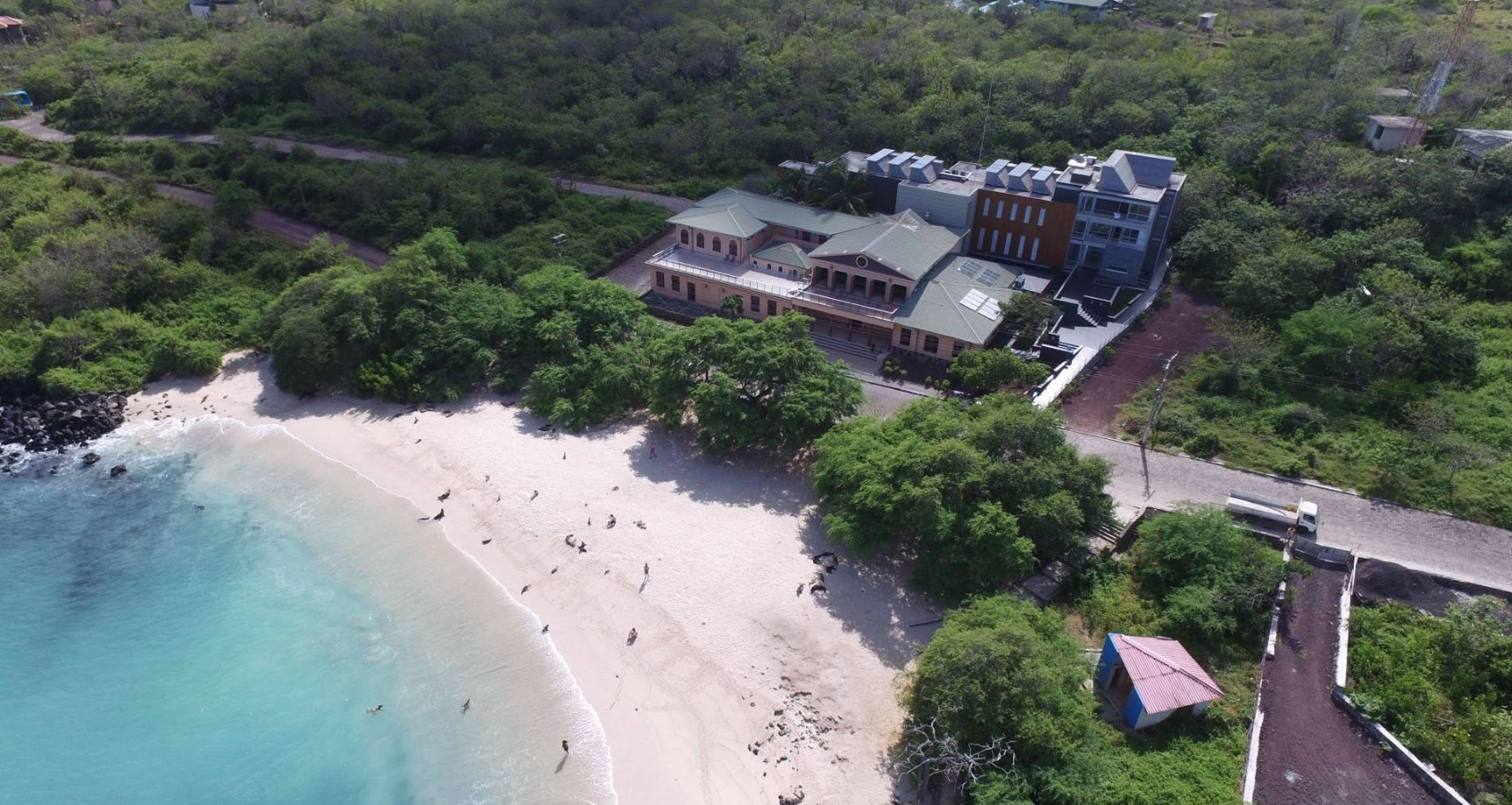
The Galapagos Science Center on San Cristobal Island, Galapagos

Borrowing from Hawaii’s and Guam’s Green Growth Program and the Global Island Partnership, we wish to examine existing global programs that emphasize island sustainability and their incorporation into life, policies, and circumstances in the Galapagos Islands. We will also seek to enhance our connections with the institutional members of our International Galapagos Science Consortium and expand the Consortium through the recruitment of other member institutions. We will also work to benefit islands and their local communities by working with citizen groups as well as important NGOs who seek to improve the natural conditions in the Galapagos and diminish the impact of the human dimension on the future of Galapagos’ ecosystems.

Lastly, we will use the World Summit to benefit UNC & USFQ and our constituencies through a strong and vibrant communication plan about the World Summit, creating corporate relationships as sponsors, identifying funding goals through donors, and benefiting our study abroad program for student engagement in the Galapagos Islands. We plan to develop and issue a Galapagos Sustainability Communique after the World Summit that includes the vision and insights of all its participants for a sustainable Galapagos with applicability to global island settings.

We are eager to hear your perspective and have you join us at the World Summit on Island Sustainability!