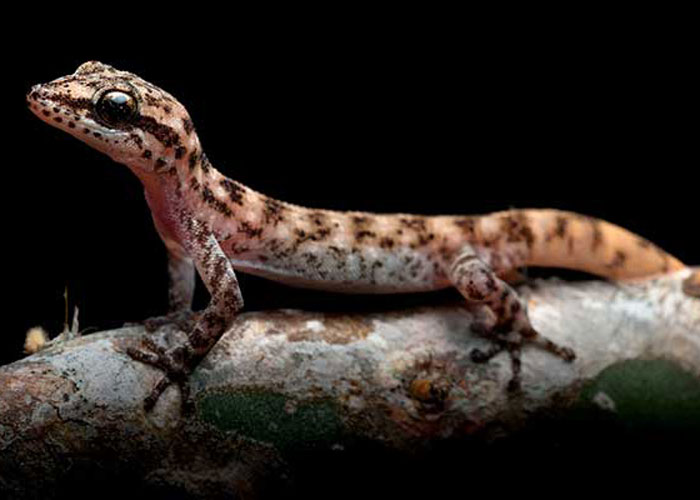
Photo: Joshua Vela
Our research is regularly published in top ranked scientific journals. Search our database below for specific papers
Search Recommendation
Our scientific publications search engine provides the best results when queries are made in English. To improve accuracy, we recommend using keywords, species names, topics, or concepts in English.
For example, instead of searching for “tortugas marinas,” use “sea turtles”; instead of “cambio climático,” write “climate change.” This will give you access to a broader range of relevant and up-to-date publications.
Please note that the database is updated on a quarterly basis, with new articles and content added regularly.
Below, you can access our most recent publications.
Yearly publications
Our multidisciplinary team of researchers have published works in a variety of academic journals, conferences, magazines, and more.
Discover key publications developed in recent years to support conservation, social development, and governance across the archipelago.
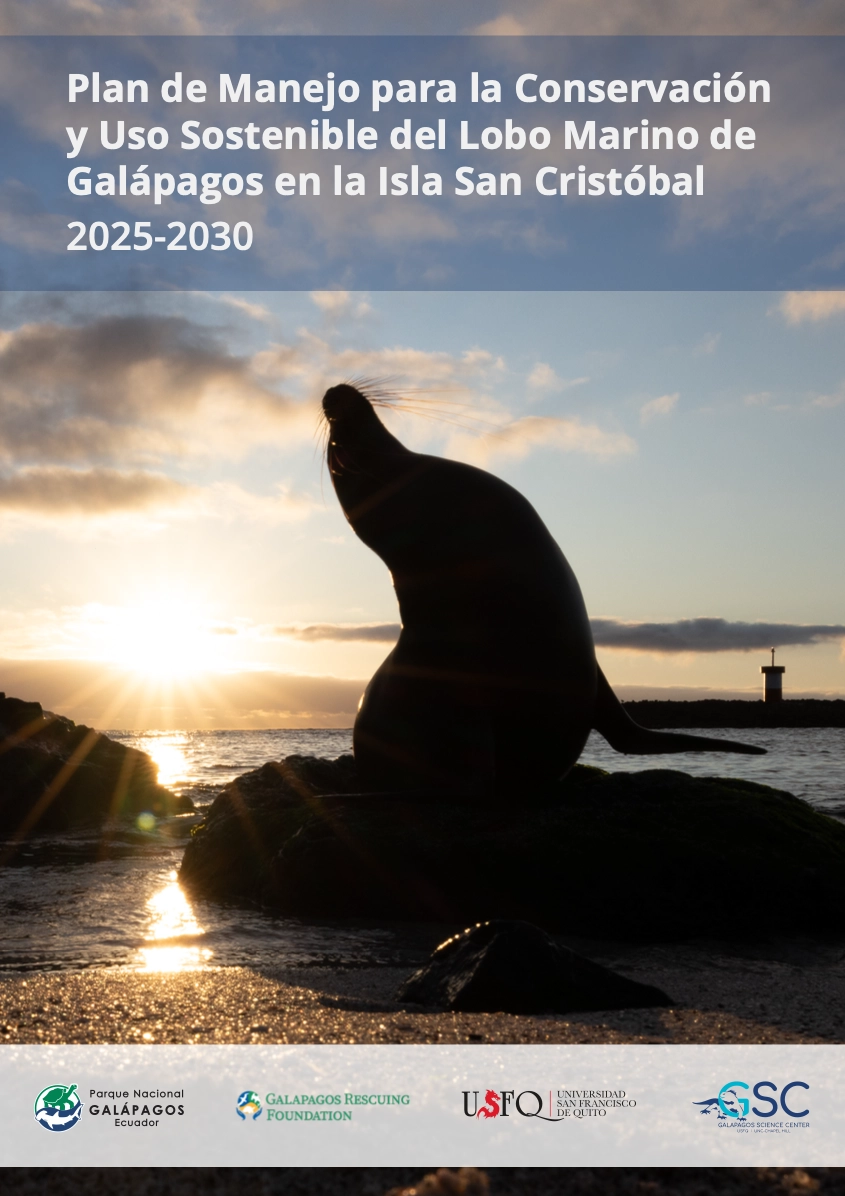
This digital book presents the 2025–2030 Management Plan, outlining strategies for conservation and sustainable use through community participation and coordination among various institutions.
Download the digital book and explore the strategies that ensure the species’ future in the Galápagos Islands.
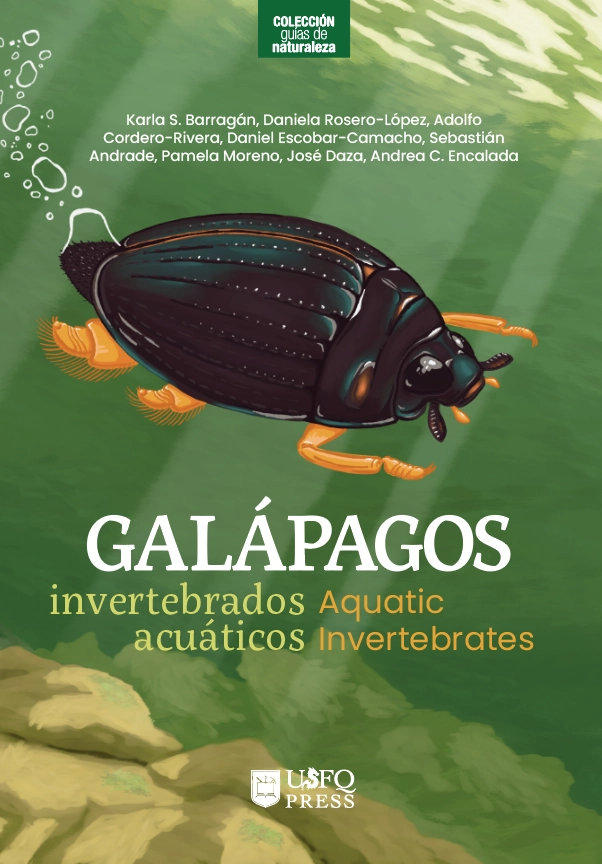
In the Galapagos, the scarce fresh and brackish water carving its way through volcanic rock creates vital oases for aquatic species. Galapagos Aquatic Invertebrates is the first photographic guide dedicated to the aquatic invertebrates inhabiting these unique ecosystems. Featuring high-quality imagery, this work reveals that the islands’ rich biodiversity extends far beyond solid ground or the open ocean, thriving within its most discrete inland water bodies. An essential read for anyone seeking a deeper look into some of the archipelago’s least explored habitats and a journey into an aquatic realm where life blooms against all odds. Get your free guide here.
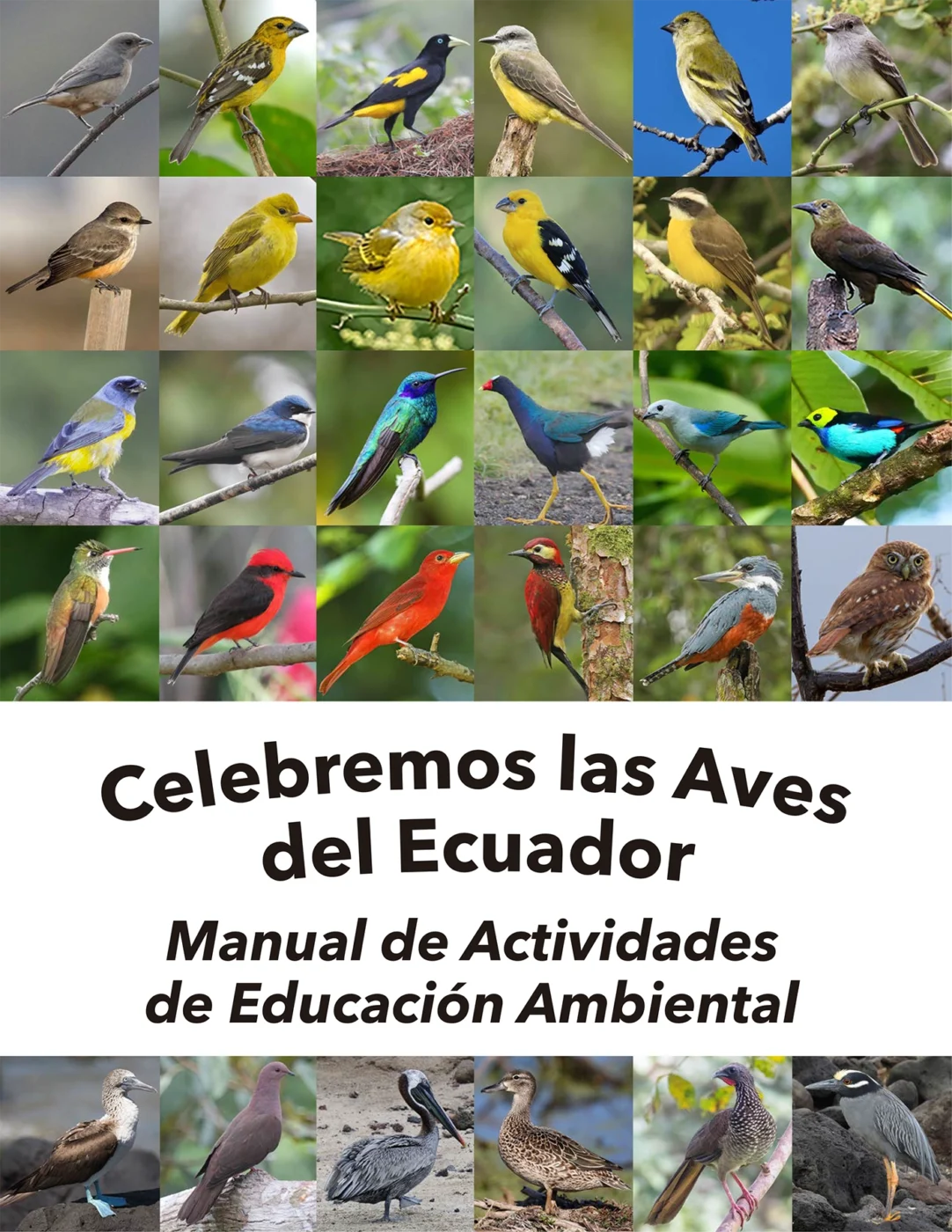
The activities in this manual are designed to support educators across Ecuador who aim to inspire and motivate their communities to learn about birds, engage in participatory science and conservation initiatives, express their creativity, and honor their cultural heritage. Above all, it encourages pride in local birds, culture, and territories, empowering communities to take tangible action for their own well-being and the protection of birds and their habitats.
Explore and download all educational materials here.
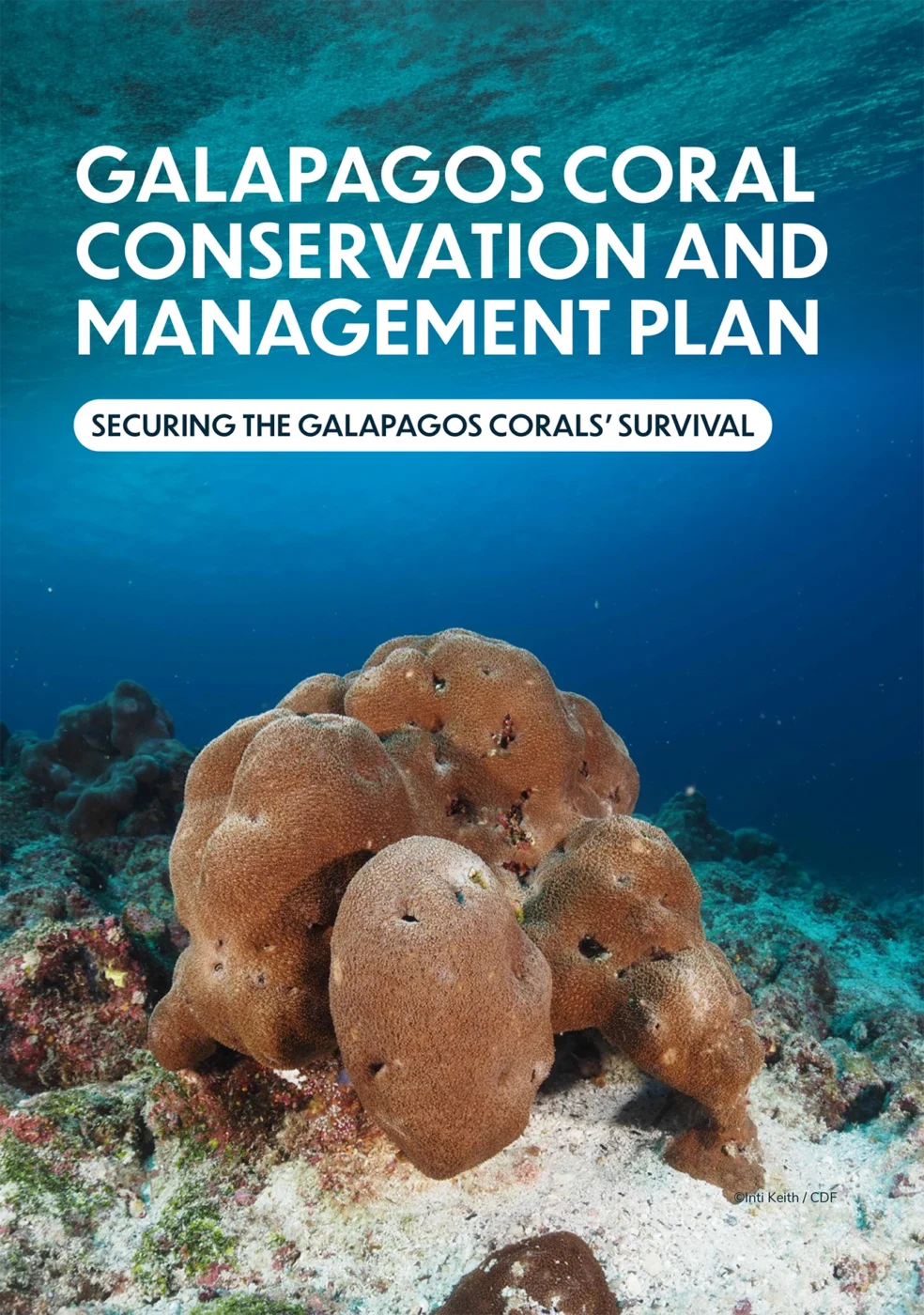
The Galapagos Coral Conservation and Management Plan (PCMCG) is a collaborative effort aimed at ensuring the protection, recovery, and persistence of coral reefs by 2030. Its framework is structured around three key pillars: monitoring coral health and mitigating direct threats such as global warming, extreme weather events, acidification, and deoxygenation; studying coral resilience, resistance, genetics, and modeling to predict responses to climate change; and implementing restoration and management interventions to execute recovery actions in priority areas while tackling invasive species and human impacts. Explore and download the management plan here.
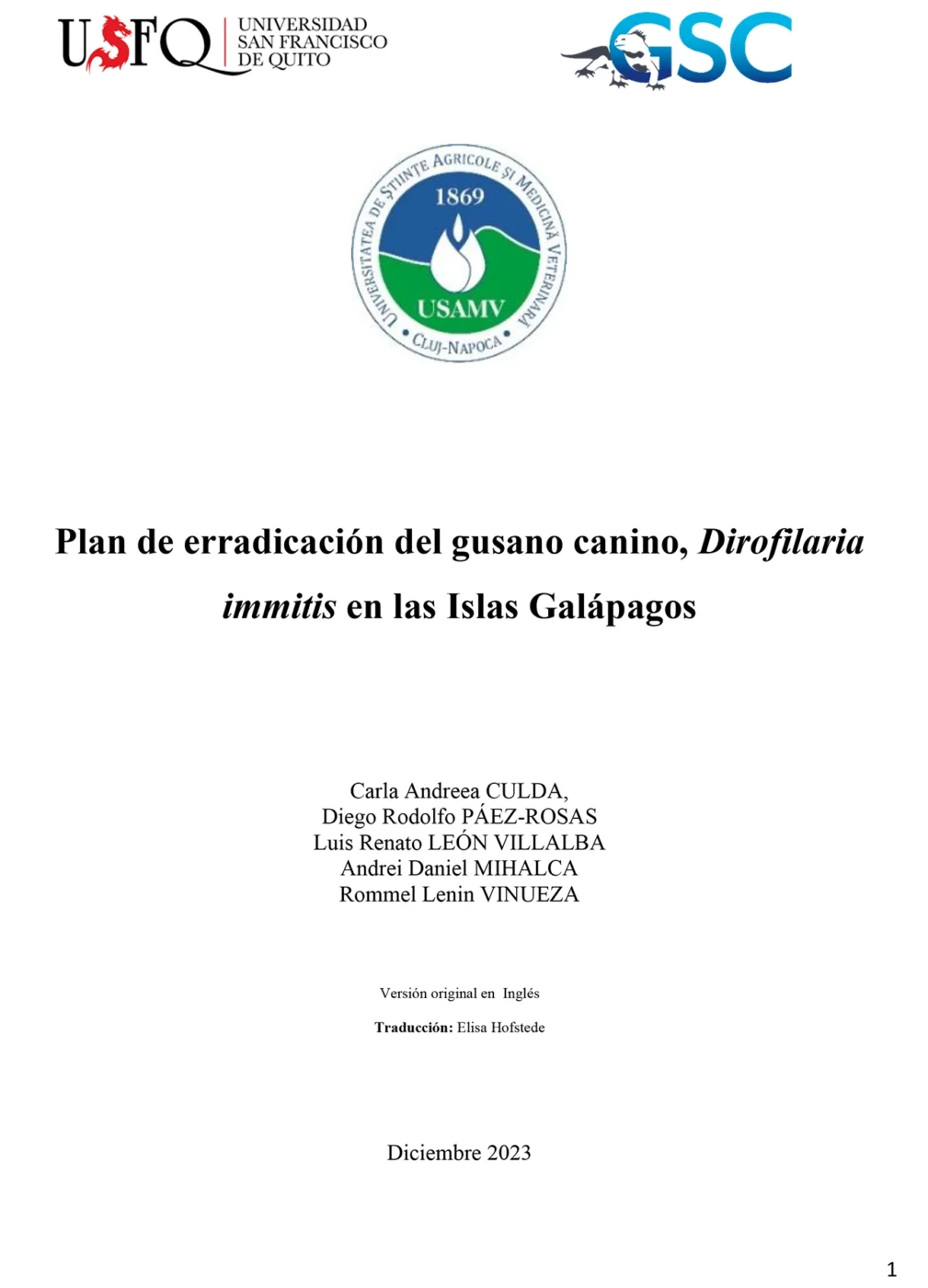
The Strategic Plan for the Eradication of Dirofilaria immitis in the Galapagos aims to eliminate canine heartworm to prevent spillover and safeguard the physical fitness of endemic wildlife lacking natural immunity—particularly the Galapagos sea lion (Zalophus wollebaeki) and the Galapagos fur seal (Arctophoca galapagoensis). Grounded in local eco-epidemiology and the life cycle of this multi-host parasite—whose transmission is driven by domestic dogs and sustained by vectors such as Aedes taeniorhynchus, Aedes aegypti, and Culex quinquefasciatus—the framework halts transmission through comprehensive surveillance involving door-to-door mass testing in pets, microchipping, vector monitoring, and passive surveillance; standardized clinical management incorporating continuous universal chemoprophylaxis and targeted treatment for positive carnivores following American Heartworm Society (AHS) guidelines; and vector control and governance focused on environmental mosquito management alongside active collaboration among local agencies (ABG, PNG), academia, and the community to drive technology transfer, scientific research, and sustainable development across the archipelago. Explore and download the full management plan here.
By bridging cutting-edge technology and archaeology, researchers from the Galapagos Science Center (GSC) and Universidad San Francisco de Quito (USFQ)—led by Fernando Astudillo and Paúl Rosero alongside a multidisciplinary team—are bringing the archipelago’s past back to life through immersive Virtual Reality (VR) experiences and 3D modeling. Combining archaeological evidence, historical archives, photogrammetry, and remote sensing technology (drones and LiDAR), these initiatives allow audiences to explore key historical landmarks and the human history across the islands:
A digital reconstruction of the archipelago’s political and administrative epicenter during the second half of the 19th century, crafted through historical data, archival photography, and digital elevation models. Watch the video and start exploring.
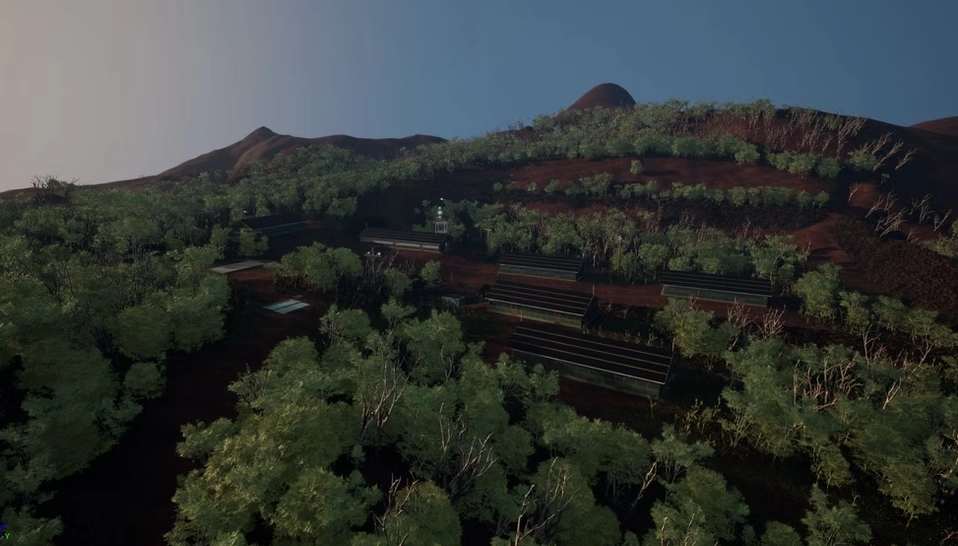
A 3D model of the historic site that housed the U.S. military radar station Cerro Orchilla during World War II and later served as an Ecuadorian penal colony until 1959, developed using declassified archives from Ecuador and the U.S. Discover this historical heritage here!
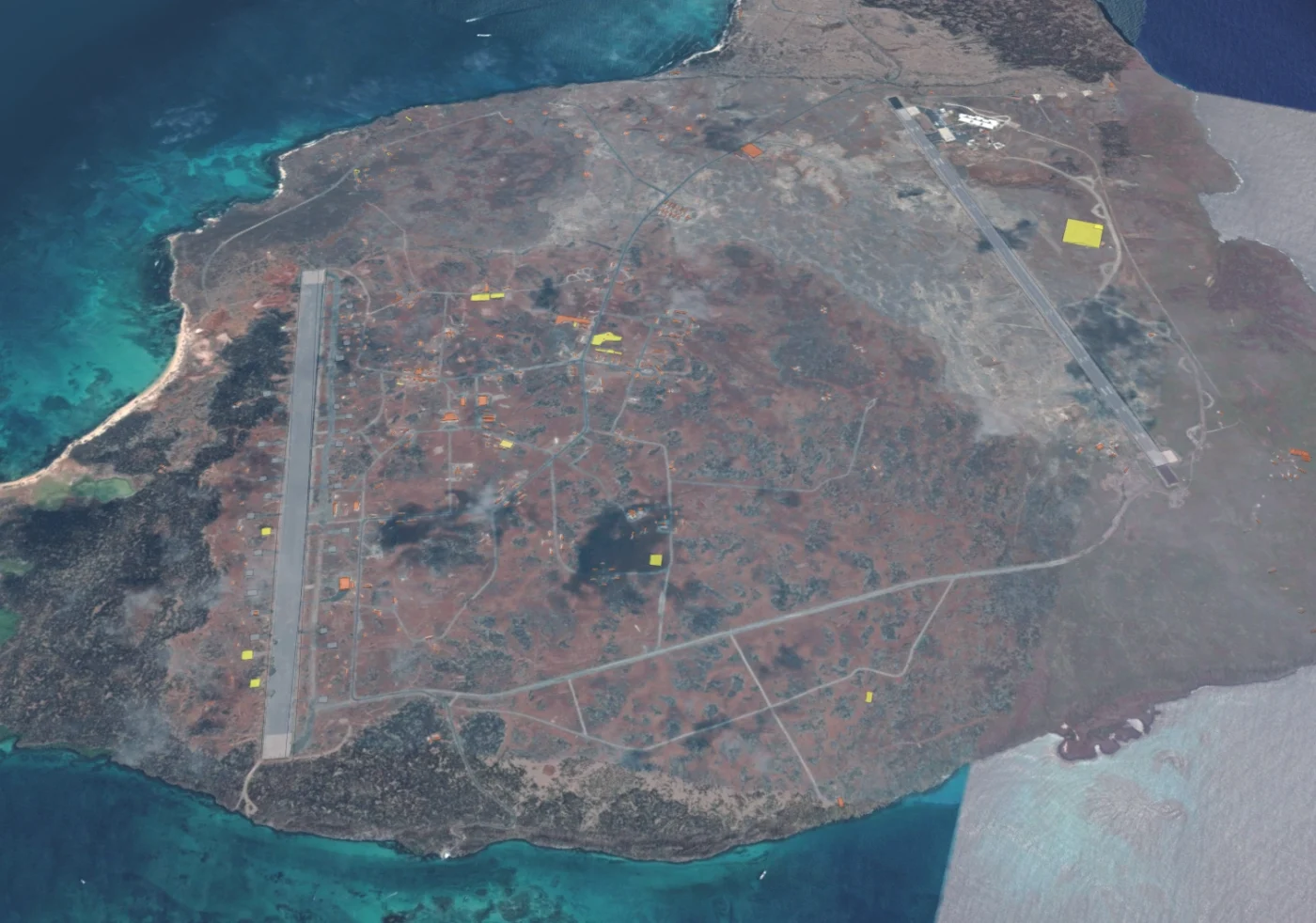
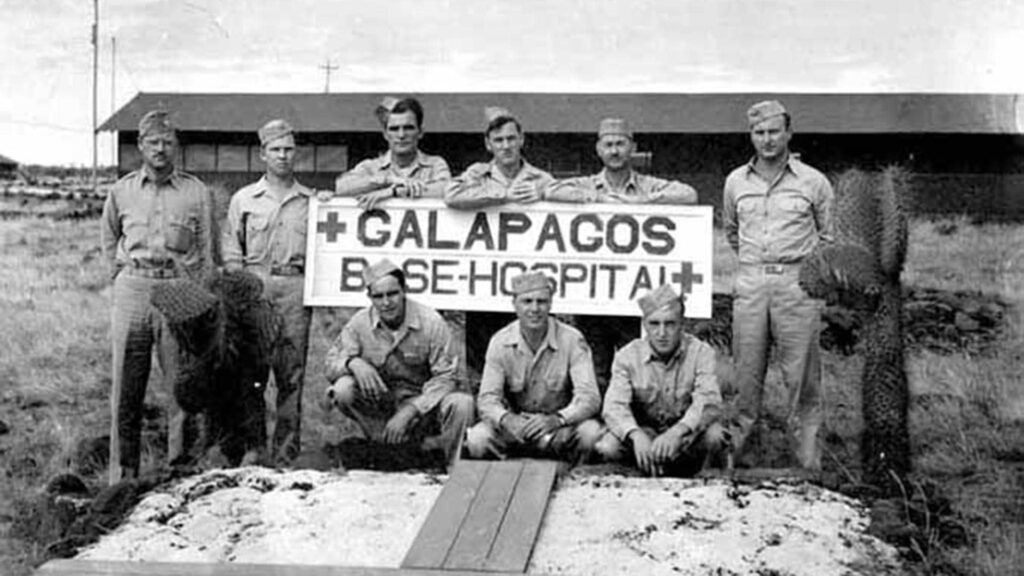
A 3D digital reconstruction of the WWII U.S. military base that once supported the defense of the Panama Canal. Using photogrammetry, historic aerial maps, and remote sensing, the project mapped over 600 historic structures to explore the intersection between the military site’s material footprint and the island’s ongoing ecological recovery, including its native land iguanas. Explore the 3D reconstruction here.
| Cookie | Duration | Description |
|---|---|---|
| cookielawinfo-checkbox-analytics | 11 months | This cookie is set by GDPR Cookie Consent plugin. The cookie is used to store the user consent for the cookies in the category "Analytics". |
| cookielawinfo-checkbox-functional | 11 months | The cookie is set by GDPR cookie consent to record the user consent for the cookies in the category "Functional". |
| cookielawinfo-checkbox-necessary | 11 months | This cookie is set by GDPR Cookie Consent plugin. The cookies is used to store the user consent for the cookies in the category "Necessary". |
| cookielawinfo-checkbox-others | 11 months | This cookie is set by GDPR Cookie Consent plugin. The cookie is used to store the user consent for the cookies in the category "Other. |
| cookielawinfo-checkbox-performance | 11 months | This cookie is set by GDPR Cookie Consent plugin. The cookie is used to store the user consent for the cookies in the category "Performance". |
| viewed_cookie_policy | 11 months | The cookie is set by the GDPR Cookie Consent plugin and is used to store whether or not user has consented to the use of cookies. It does not store any personal data. |
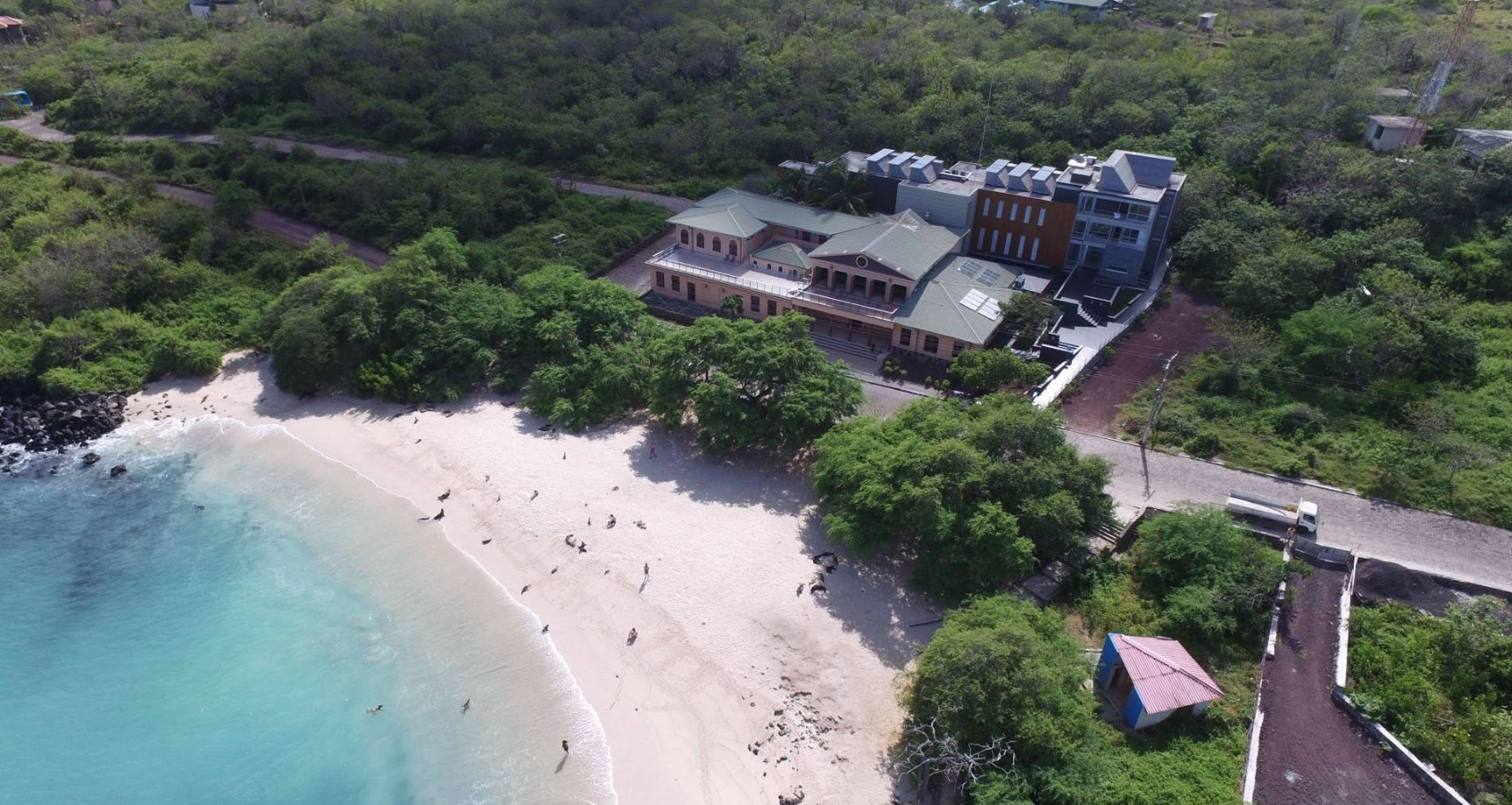
In 2022, the Galapagos Science Center (GSC) and the broader UNC & USFQ Galapagos Initiative will celebrate its 10th Anniversary. We are proud to announce the World Summit on Island Sustainability scheduled to be held on June 26–30, 2022 at the Galapagos Science Center and the Community Convention Center on San Cristobal Island.
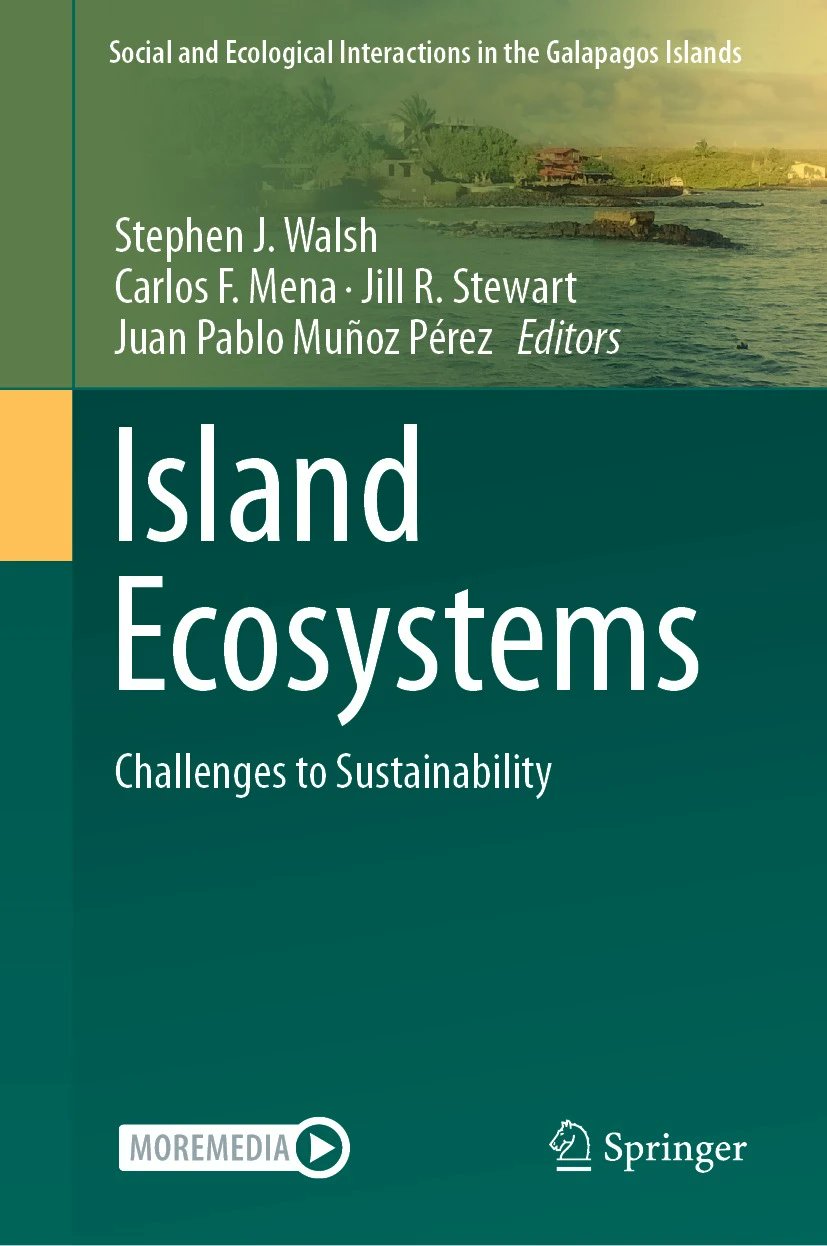
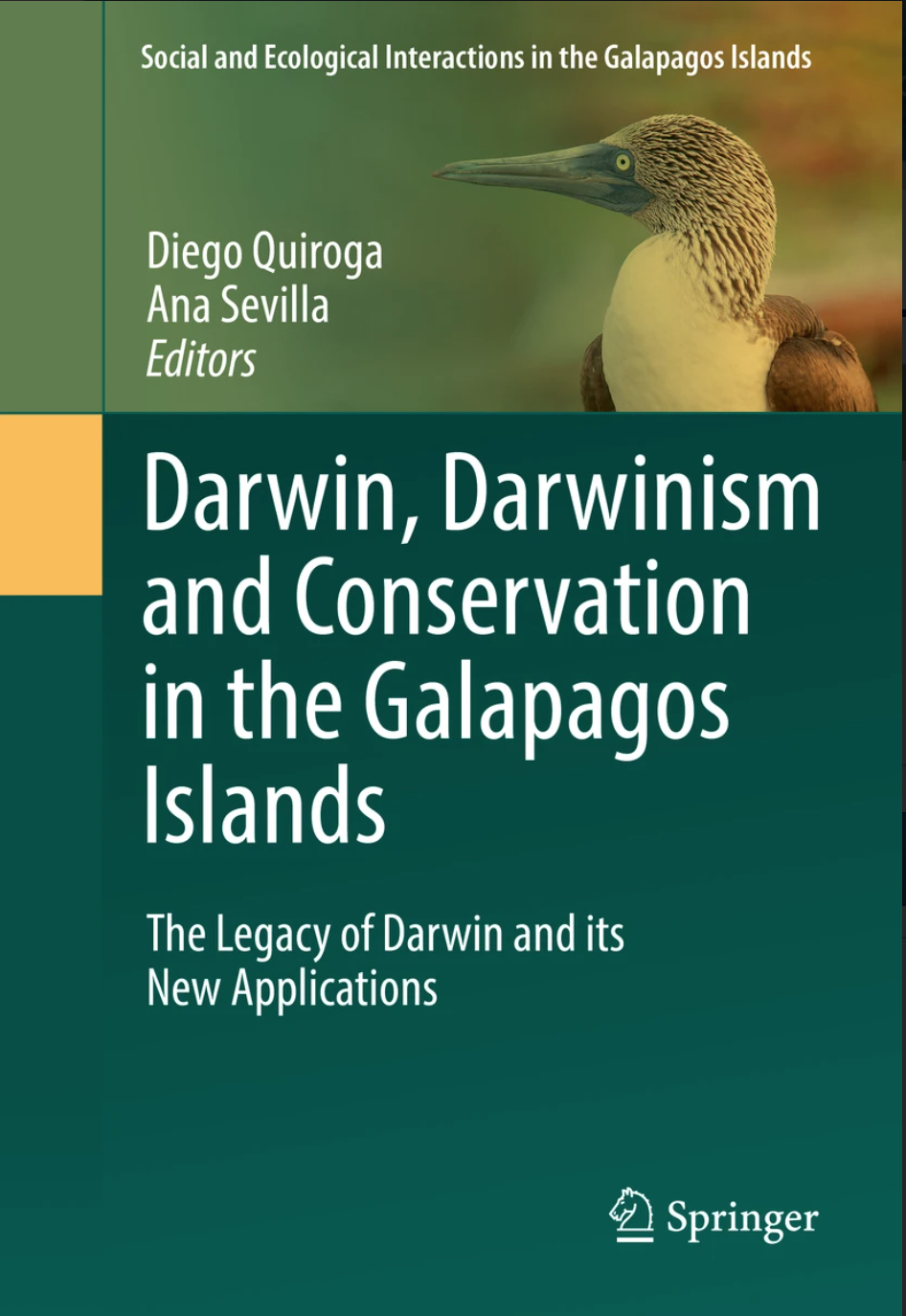
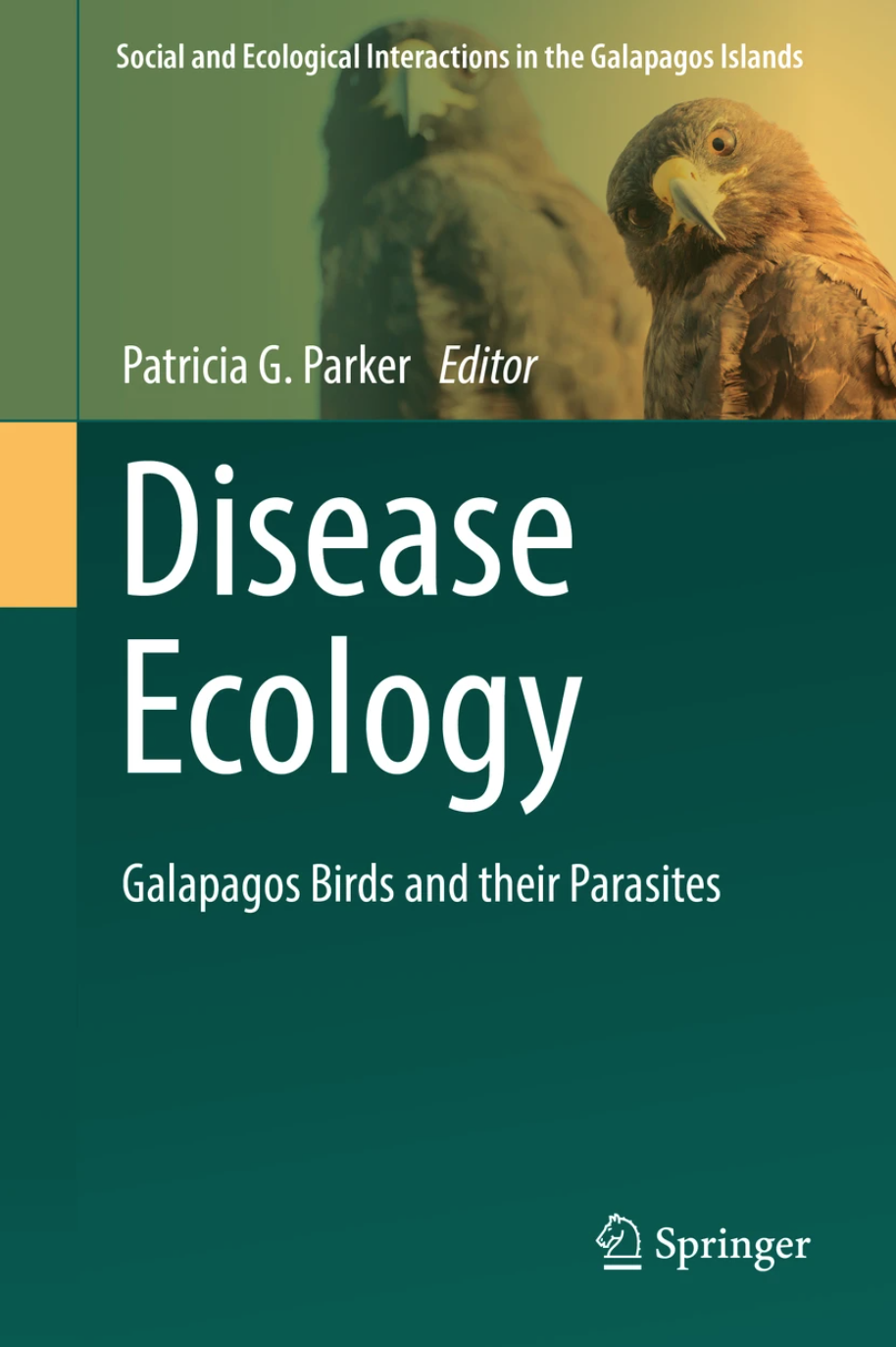
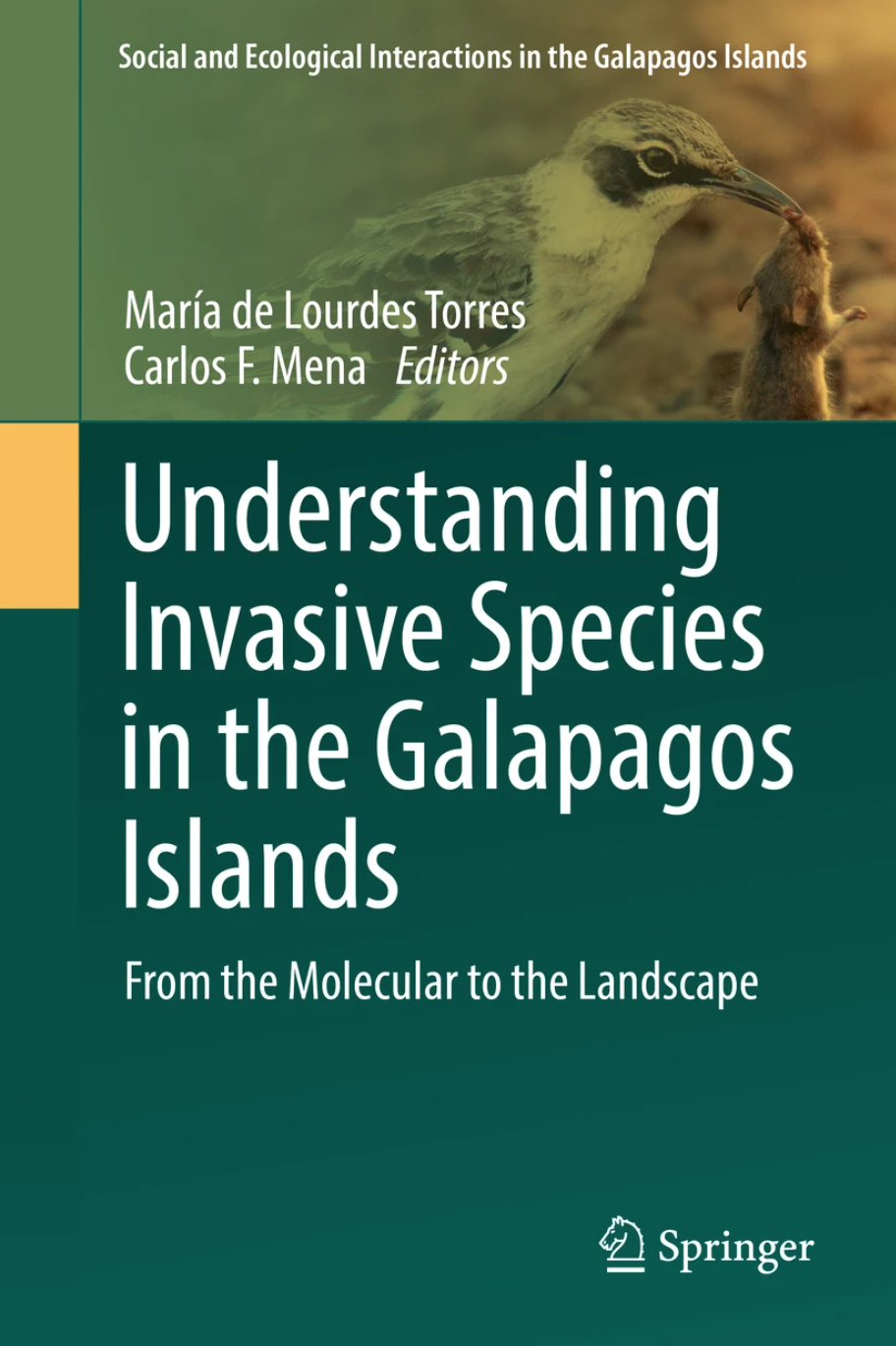
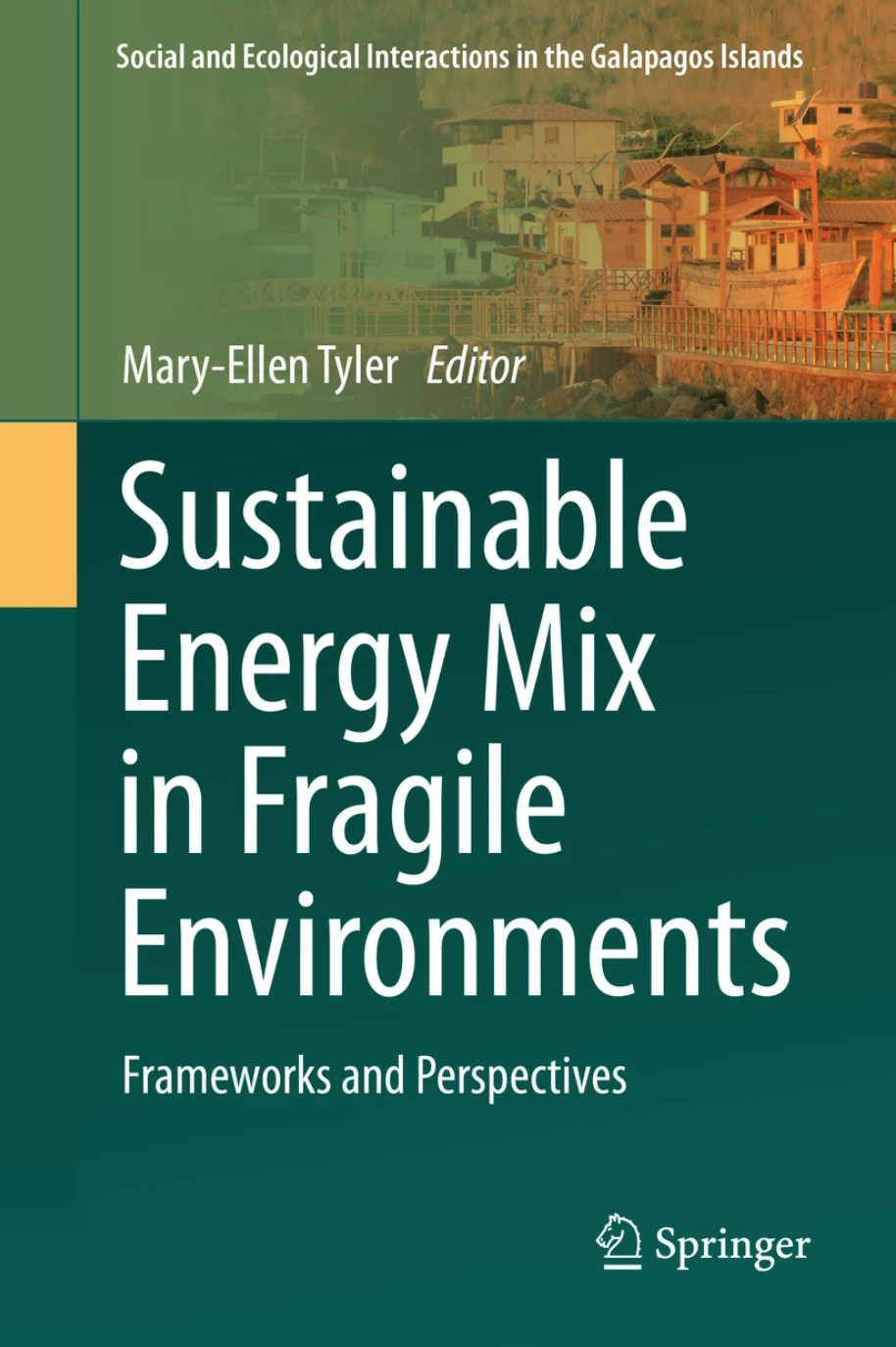
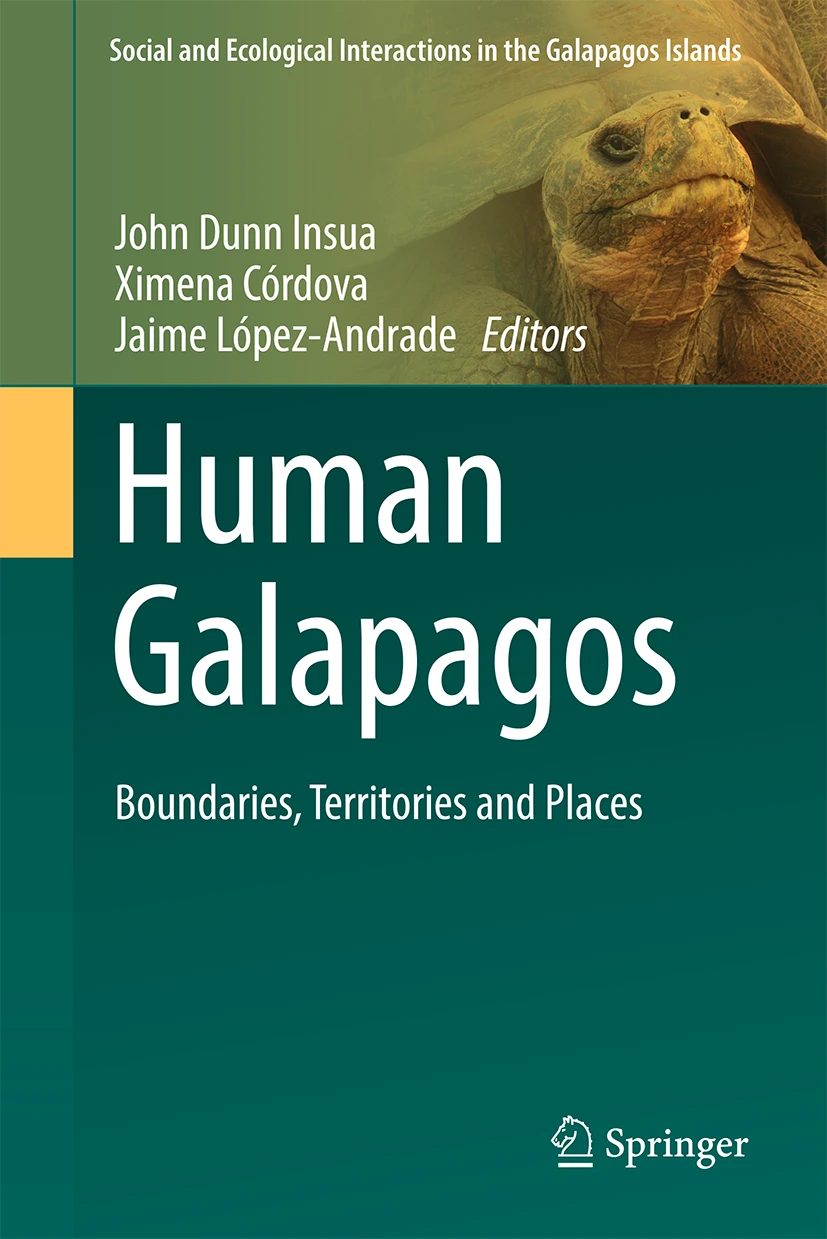
The content of the World Summit will be distributed globally through social media and results documented through papers published in a book written as part of the Galapagos Book Series by Springer Nature and edited by Steve Walsh (UNC) & Carlos Mena (USFQ) as well as Jill Stewart (UNC) and Juan Pablo Muñoz (GSC/USC). The book will be inclusive and accessible by the broader island community including scientists, managers, residents, tourists, and government and non-government organizations.
While the most obvious goal of organizing the World Summit on Island Sustainability is to celebrate the 10th Anniversary of the GSC and the UNC-USFQ Galapagos Initiative, other goals will be addressed through special opportunities created as part of our operational planning of the World Summit.
For instance, we seek to elevate and highlight the Galapagos in the island conservation discourse, seeking to interact with other island networks in more obvious and conspicuous ways to benefit the Galapagos Islands, the UNC-USFQ Galapagos Initiative, and the world. We will seize the opportunity to further develop the I2N2 – International Islands Network-of-Networks. Further, we wish to highlight and emphasize multiple visions of a sustainable future for the Galapagos Islands and we cannot do this alone. Therefore, engaging the Ecuadorian Ministry of Environment, the Ministry of Tourism, the Government Council of Galapagos, the Galapagos National Park, and local Galapagos authorities, including government and non-government organizations and local citizen groups, is imperative.
Borrowing from Hawaii’s and Guam’s Green Growth Program and the Global Island Partnership, we wish to examine existing global programs that emphasize island sustainability and their incorporation into life, policies, and circumstances in the Galapagos Islands. We will also seek to enhance our connections with the institutional members of our International Galapagos Science Consortium and expand the Consortium through the recruitment of other member institutions. We will also work to benefit islands and their local communities by working with citizen groups as well as important NGOs who seek to improve the natural conditions in the Galapagos and diminish the impact of the human dimension on the future of Galapagos’ ecosystems.
Lastly, we will use the World Summit to benefit UNC & USFQ and our constituencies through a strong and vibrant communication plan about the World Summit, creating corporate relationships as sponsors, identifying funding goals through donors, and benefiting our study abroad program for student engagement in the Galapagos Islands. We plan to develop and issue a Galapagos Sustainability Communique after the World Summit that includes the vision and insights of all its participants for a sustainable Galapagos with applicability to global island settings.
We are eager to hear your perspective and have you join us at the World Summit on Island Sustainability!